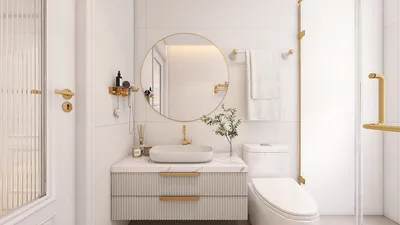


I once had a client — a teenager who requested a ‘secret pod’ beneath the bed for studying and relaxing, while the parent insisted on a clutter-free environment. To explore this concept, I crafted a visual room design, and to my surprise, it worked wonderfully. This experience showed me that creativity can flourish in small spaces. In this article, I’ll share five effective strategies I employ in designing small bedrooms for teens, drawing from genuine projects and a few lessons I've learned through experience.
1. Loft bed with an integrated study nook
Loft beds are fantastic because they utilize floor space efficiently: a raised bed creates a cozy study or lounging area below. The benefits are clear — it maximizes usable square footage and offers a stylish, secluded sleeping space; however, it's important to ensure there’s ample ceiling height and to consider ladder safety.
Budget-friendly tip: opting for a prefab loft frame is more economical than a fully custom build, and adding curtains beneath the loft instantly provides privacy without the need for woodworking.
save pin
2. Built-in storage designed to resemble furniture
Years ago, I transformed a 9 sqm teen room, swapping out a bulky dresser for built-in drawers beneath the bed and a sleek wardrobe. This solution not only looks tidy and maximizes storage but also visually enlarges the room. However, it does require an upfront investment in carpentry and limits flexibility if regular rearrangement is desired.
A practical approach: utilize shallow open shelves for shoes and decorative items, while keeping hidden drawers for seasonal clothing to minimize visual clutter.
save pin
3. Defining zones with color, rugs, and layered lighting
Visually defining areas helps a small room appear more purposeful — consider a warmer color on the wall behind the bed, a cooler hue at the study wall, and a rug to anchor each section. This is a straightforward change that can make a significant difference, but be careful: using too many colors can overwhelm a tiny space.
When planning placements and measurements, utilize a free floor plan tool like Homestyler to visualize furniture arrangements before purchasing; I frequently sketch multiple layouts to steer clear of costly errors.
save pin
4. Fold-away furniture and vertical storage solutions
Fold-down desks, wall-mounted shelves, and pegboards are invaluable in compact spaces — they provide flexibility and promote tidy habits. The challenge lies in selecting durable mechanisms; inexpensive folding desks can sag, so it’s wise to test the hardware or choose reputable brands.
Additionally, consider using vertical space: tall, slim wardrobes and ladder shelves take advantage of otherwise unused height, keeping the footprint small.
save pin
5. Personalizing with texture, compact comfort, and smart technology
Teenagers desire their rooms to reflect their personality. Incorporating layered fabrics, removable wallpaper, and a snug chair can make a big impact. I often utilize AI home design illustrations with clients to preview color schemes and textures, saving time and minimizing indecision — but be cautious about relying too much on renders, as they may differ from actual spaces, so sampling materials beforehand is essential.
Affordable refresh ideas: swap out cabinet handles, introduce a standout lamp, or rotate bedding seasonally to update the atmosphere without undergoing a complete renovation.
save pin
FAQ
Q1: What bed size is optimal for a small teenage bedroom? A: A twin or twin XL generally fits best in narrow spaces while ensuring sleep comfort; consider lofting a twin to create more floor space for a desk or storage.
Q2: How can I establish a study zone in a tiny bedroom? A: Install a wall-mounted or fold-down desk, place it near natural light, and store cords and supplies in small drawers or wall pockets to prevent clutter.
Q3: Which colors can make a small room appear larger? A: Soft neutral colors like light greys, warm whites, and pastels reflect light and create the illusion of a bigger space; add one darker accent for depth and character.
Q4: What safety precautions should I consider for loft beds? A: Make sure guardrails are installed on all sides of the bed at a specific height, use sturdy ladders, and adhere to manufacturer weight limits; I always recommend professional installation for built-in features.
Q5: How can I budget for a small bedroom upgrade? A: Focus on the mattress, lighting, and storage. Minor changes like paint, new bedding, or hardware updates often provide the best value for impact.
Q6: Is it possible to combine sleep and study areas in a 10 sqm room? A: Yes — integrate vertical storage, a compact desk, and under-bed drawers; sketching the layout on paper initially can help. Many of my projects began with a simple drawing to explore flow and furniture dimensions.
Q7: Where can I find trustworthy design advice? A: Reliable sources include design educational institutions and professional organizations; to understand better sleep practices, visit the American Academy of Sleep Medicine (https://aasm.org) for guidance on creating healthy sleep environments.
Q8: What strategies can help a teen personalize their room without creating chaos? A: Set limits for display items — one gallery wall, a shelf for collectibles, and rotating décor boxes. Encourage storage solutions that also serve as decor, such as stylish baskets or enclosed shelving.
save pin
Discover the ease of home design with Homestyler! This online platform offers an intuitive design tool, stunning 3D renderings, and a wealth of design projects and DIY video tutorials. Unleash your creativity and transform your space effortlessly, regardless of your experience level!
Concevez maintenant gratuitement
































