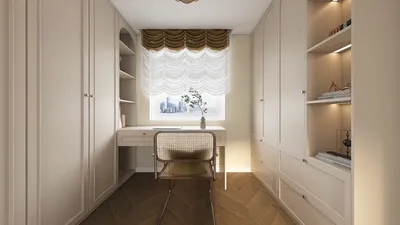


I once came close to persuading a client to cover her small sunroom with an abundance of floor-to-ceiling succulents, only for her to reveal that she desired a spot to enjoy her coffee, not an indoor jungle — a valuable lesson: practicality exceeds novelty. This near-miss highlighted how diminutive sunrooms can unleash significant creativity, particularly when treated as compact stages for light and life. If you’re envisioning a cozy sunlit nook, initiate your design with a straightforward seating arrangement to evaluate visibility and movement flow.
1. Built-in bench with storage
I have a penchant for built-in benches along window walls as they seamlessly combine seating, storage, and an elegant profile. The benefit: hidden drawers conceal cushions and blankets, while the seat can transform into a delightful reading corner; the challenge: enlisting a carpenter for a precise fit may be necessary. Budget tip: consider using pre-made drawer boxes and upcycling a window seat cushion to cut costs.
save pin
2. Lightweight folding furniture for versatile usage
Compact sunrooms often serve dual purposes — a breakfast area by day and a guest sleeping space by night — hence my recommendation for folding tables and stackable chairs. The allure is immediate flexibility with minimal clutter; however, inexpensive folding items can sometimes seem fragile. My workaround: select a single sturdy piece (like a small table or bench) and arrange lightweight seating around it for a cozy yet adaptable environment.
save pin
3. Layered window treatments and smart shelving
Manage light without compromising the view: opt for thin roller shades coupled with light linen curtains for a blend of privacy and softness. When planning shelf and sconce placements, always take measurements and draft a layout before making purchases — a quick sketch can prevent returns and headaches. Anticipate slight adjustments to curtain lengths as sunlight angles shift with the seasons.
save pin
4. Green corner: curated plant displays
As an avid plant enthusiast, I've learned the value of moderation. Group 3–5 species that share similar sunlight requirements in a compact tiered stand to evoke a greenhouse ambiance without overwhelming the room. Plants infuse vitality and humidity, which can be beneficial in winter, but require watering and occasional repotting — consider low-maintenance options if you're often away. Budget-friendly advice: propagate from friends or exchange cuttings to refresh your display economically.
save pin
5. Define zones with glass partitions and visuals
When a sunroom is positioned between living areas, a narrow glass partition or open shelving can delineate a breakfast nook while allowing light to flow through. Unsure of the appearance? I suggest creating a simple 3D render of your sunroom to visualize scale and finishes before you finalize your choices. While custom glass or partitions can increase expenses, they ultimately enhance the brightness and connectivity of the space.
save pin
FAQ
Q1: What dimensions are optimal for a functional sunroom?
A compact sunroom can effectively function at 6–8 feet in depth if you prioritize circulation and select slender furniture. Concentrate on pathways and a primary seating area to avert a cramped atmosphere.
Q2: Which flooring is most suitable for a sunroom?
Durable, light-reflective flooring such as porcelain tile or engineered wood is ideal; they withstand sun exposure and are easy to maintain. Incorporating a washable rug can warm up the space and add texture.
Q3: How can I manage heat in a small sunroom?
Employ reflective blinds or UV-filtering window films to diminish overheating, along with operable vents or a ceiling fan to improve airflow. Often, shading strategies will prove more economical and effective than overhauling HVAC systems.
Q4: Can plants genuinely enhance indoor air quality?
Plants can assist with humidity levels and the perceived quality of air, but for genuine pollutants, it's preferable to rely on proper ventilation and filtration systems. For authoritative advice on indoor air quality, refer to the U.S. EPA (https://www.epa.gov).
Q5: Is special glazing necessary for a sunroom?
Double-glazed, low-E glass offers a balance between light reception and thermal efficiency for comfort throughout the year; although it incurs a higher initial cost, it reduces heating and cooling requirements. If budget constraints exist, prioritize glazing on the most sun-exposed wall first.
Q6: Can a sunroom be used comfortably year-round?
Certainly, with appropriate insulation, glazing, and heating strategies, a sunroom can provide comfort across all seasons. In milder areas, adjusting shades and adding an electric heater could suffice during winter.
Q7: What budget should I allocate for a simple sunroom update?
For a basic refresh — paint, furnishings, textiles, and plants — budget several hundred to a few thousand dollars, contingent on the finishes selected. Structural glazing or bespoke woodwork can significantly elevate costs, so it's essential to prioritize elements that will most enhance your experience.
Q8: How do I commence planning my sunroom renovation?
Start by creating a comprehensive list of intended uses for the space, followed by measuring and mapping it for layout considerations. For a realistic preview, you might explore a professional layout or a cost-effective 3D render of your sunroom to experiment with ideas before purchasing materials.
save pin
Homestyler is your go-to online home design platform, perfect for both novices and pros. With its user-friendly design tool, stunning 3D renderings, and a wealth of inspiring design projects and tutorials, you'll effortlessly create your dream spaces and unleash your creativity!
지금 무료로 디자인하세요
































