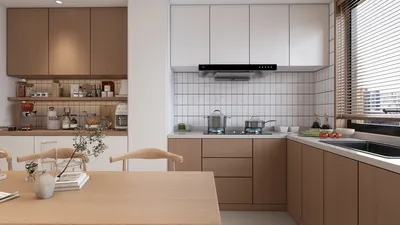


Once, a client insisted that their dining table be in sight of the television, claiming, "we eat with dramatic flair." I embraced this design challenge and created distinct zones within the space, demonstrating how certain adjustments can transform a small layout into a harmonious design. Utilizing tools like Homestyler to visualize room arrangements can be incredibly beneficial during this process.
1. Zoning with Rugs and Sofas
I enjoy starting with the combination of rugs and sofas due to their honest characteristics and versatility. Positioning a large rug under the seating area along with a slender sofa establishes a visual boundary while allowing an open flow. However, choosing the right size rug is crucial; otherwise, it may appear mismatched.
save pin
2. Utilizing Low Cabinetry for Division
Incorporating low cabinets or sideboards serves the dual purpose of providing storage and subtly delineating sightlines while maintaining an airy ambiance. They are perfect for concealing clutter and can act as a backdrop for lamps and artwork. Just be cautious about their footprint, as choosing slimmer profiles is essential for smaller spaces.
save pin
3. Open Shelving with Partial Screens
Open shelving or a partial screen can be likened to wearing a blazer indoors: structured yet inviting. It effectively defines the dining space and offers a display area, though it requires careful styling to prevent it from becoming cluttered. I often suggest conducting a seasonal edit and utilizing Homestyler to draft a quick floor plan to experiment with placements.
save pin
4. Layering Lighting for Different Moods
Altering the lighting can significantly change the atmosphere: hanging pendant lights above the dining table coupled with softer floor lamps in the living area creates two distinct environments within one room. This budget-friendly tactic allows for a seamless mood switch; just remember to install dimmer switches to avoid glare during intimate gatherings.
save pin
5. Using Pocket Partitions and Glass Dividers
For a more defined separation without feeling enclosed, consider pocket doors or sleek glass partitions. They strike a balance between maintaining sightlines and controlling sound. Although they may be pricier than traditional curtains, they provide a polished, semi-permanent solution worth the investment. Utilizing tools like Homestyler can help clients visualize these options in a realistic 3D format.
save pin
FAQ
Q1: What's an effective method for creating separate living and dining spaces?
Begin with furniture zoning: orient the sofa away from the dining area and use rugs to anchor each section. This is a cost-effective and reversible solution, ideal for renters or homeowners who are still deciding on their layout.
Q2: Is a physical divider necessary to create distinct zones?
Not always. You can achieve separation through lighting, furniture arrangement, and rugs. While physical dividers can enhance acoustics and privacy, they should only be utilized if they enhance the overall design.
Q3: How much space is optimal for comfortably distinguishing two zones?
Aiming for at least 10–12 feet in the longest dimension is ideal for effective circulation, but smart furniture placement can create a sense of zoning even in smaller areas. Multifunctional pieces are excellent allies in these scenarios.
Q4: Are glass dividers a practical choice for compact apartments?
Absolutely! Glass dividers maintain light flow while offering a visual break; tempered or frosted options provide extra privacy. While they may be more expensive than curtains, they often exude a more elegant, permanent feel.
Q5: Can I combine storage solutions with separation?
Definitely! Freestanding or built-in low cabinets and shelving provide dual benefits: they conceal clutter while marking distinct areas. Just ensure that sightlines remain tidy to maintain an open feel.
Q6: What are some budget-friendly methods for creating divisions?
Incorporate curtains, rugs, and a standout lamp to establish zones instantly without construction. These adaptable options allow for experimenting with layouts before committing to more expensive changes.
Q7: How can I evaluate a layout prior to purchasing furniture?
Draft simple plans on paper or use a floor plan design tool to examine measurements and traffic flow; I often create multiple mock-ups for comparison. If you're interested, I can demonstrate how to sketch a quick floor plan to refine your ideas.
Q8: Will creating separate spaces negatively impact resale value?
Thoughtful zoning generally enhances property value as it demonstrates practical purpose, whereas excessive partitioning can date a property. According to the American Society of Interior Designers (ASID), flexible, open layouts with adaptable zones tend to be more appealing to potential buyers (https://www.asid.org).
save pin
Discover the ease of home design with Homestyler! This user-friendly platform offers a powerful online design tool, stunning 3D renderings, and a wealth of design projects and DIY video tutorials. Whether you're a novice or a pro, Homestyler helps you transform your vision into reality effortlessly.
立即免费设计
































