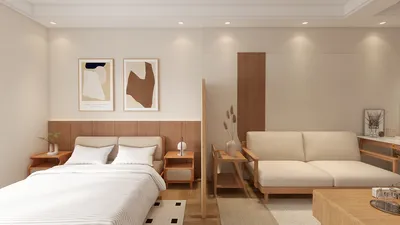


Recently, a client inquired about fitting a spacious dining table, a comfortable lounge area, and her piano into a 25-square-meter open layout without creating a cluttered feel. Spoiler alert: it was quite the challenge, and I nearly surrendered at 2 a.m. However, working with compact spaces compels me to think creatively, and I have discovered that a combination of dining and lounge areas can be both functional and aesthetically pleasing. Today, I'm sharing 10 strategies that I have implemented (and survived) to assist you in reimagining your own area with the help of the innovative tool, Homestyler.
1. Floating Shelves for Dual Purpose
Utilizing open shelving above a low sideboard keeps the wall feeling bright and spacious while providing storage for both dining and lounging needs. Pairing shelves with a mirror both enhances light reflection and offers an instant sense of increased space. A clever tactic I picked up from a room design project was to stagger the heights of the shelves, creating a beautiful frame for art and plants.
2. Extendable Dining Tables
These are ideal for everyday use as well as for accommodating guests. Generally keep it compact and extend it when entertaining family or friends. Just be sure to allow enough space around the table for chairs to move freely without obstruction.
3. Sofa as a Partition
Rather than installing a wall, consider using the back of your sofa to subtly differentiate between the lounge and dining areas. It’s a more cost-effective solution, providing flexibility to reposition the sofa whenever you feel like refreshing the layout. Additionally, this method maintains a visual flow that feels open and inviting.
4. Striking Lighting Above the Table
A pendant or chandelier hung above the table adds a sense of intimacy for meals while defining the dining space without physical barriers. For one client, I repurposed a vintage lamp, completely transforming the atmosphere of the room.
5. Versatile Benches
Benches are perfect for seating at the dining table, extra lounge seating, or even as low display surfaces along walls. Simply add cushions for comfort, and they can be conveniently tucked away when not in use, allowing for more open floor space.
6. Unified Color Scheme
Maintaining a consistent color palette makes a room feel larger. I often recommend using two base colors paired with one accent color, carrying them through both zones — on walls, rugs, and upholstery. This subtle yet powerful unifier was something I honed while designing a small apartment mock-up last year, and it’s something you can easily experiment with using Homestyler.
7. Glass or Acrylic Furnishings
Transparent materials like glass tables or acrylic chairs help keep sightlines open. They create the illusion of more space, though they do require more frequent cleaning to maintain their pristine appearance.
8. Layered Rugs to Distinguish Zones
If updating flooring isn't an option, consider rugs to visually delineate the lounge and dining areas while adding texture. For instance, use a patterned rug in the lounge and a solid one under the dining area — this simple alteration can dramatically alter the mood of the room.
9. Built-In Storage Solutions
A continuous wall of built-in storage can accommodate books, dishes, and decorative items, giving both areas a purposeful feel. In a recent project, I included an open niche for a coffee corner nestled between the lounge and dining areas — and the client swiftly evolved into a barista.
10. Wall-Mounted Fold-Down Tables
Perfect for extremely tight spaces, a fold-down table mounted on the wall can serve as both a dining surface and a work desk. I encountered this efficient solution in a compact kitchen remodel and quickly began recommending it to my studio clients.
FAQ
Q: What can I do to prevent a lounge and dining combo from appearing cluttered?
A: Stick to a cohesive color palette, opt for multi-functional furniture, and use subtle spatial dividers like rugs or lighting to create distinction.
Q: What size rug should I select for underneath a dining table?
A: Aim for at least 60 cm (24 inches) extending beyond each chair leg when pulled out. This will prevent chairs from snagging on the edge of the rug.
Looking to transform your space? Homestyler is your go-to online home design platform! With its user-friendly design tool, stunning 3D renderings, and a wealth of DIY video tutorials, you can effortlessly create and visualize your dream home. Start designing today!
立即免费设计
































