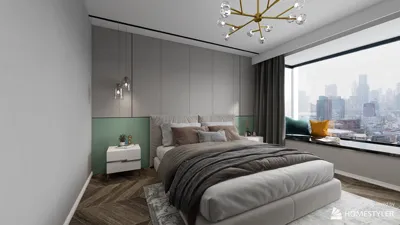


A client of mine once suggested creating a ‘drive-thru’ for their cat between kitchen cabinets — and while it was an enticing idea, I usually prefer to kick things off by sketching some quick concepts. Occasionally, I run an AI interior design program like Homestyler to help visualize different possibilities before making a commitment. Designing for smaller spaces encourages creative thinking, as the limitations transform into a fun challenge.
1. Embrace vertical space: shelves, elevated spots, and climbing paths
Cats naturally seek height, so consider building up. By installing staggered shelves, a narrow perch by the window, or floating steps, you can optimize wall space for your furry friend without encroaching on the floor area. This approach is not only economical but also visually striking, although it’s essential to secure everything properly and ensure the finishes are safe for cats.
2. Multi-functional furniture: benches, carriers, and hidden storage
Integrate the needs of both humans and cats by creating a window bench with storage underneath for litter, food, or toys. For example, I transformed an entry bench to store cat supplies, turning it into a cozy sunbathing spot as well. The challenge lies in precise measurements for multi-use items, but the reward is a serene and organized living space.
3. Stylish litter box solutions that allow for airflow
In small residences, a litter box is necessary, but there’s no reason it can’t be elegant: consider a shallow tray placed under a console, an attractive cabinet with ventilation, or a discreet hood for the litter box featuring active charcoal. I often use Homestyler to create 3D renderings of these layouts to assess visibility and odor management. An extra investment in ventilation and accessibility for cleaning will surely pay off for both you and your guests.
4. Ensure clear pathways and safe zones
Plan for routes: cats thrive when they feel they have escape routes and perches for watching their domain. Make sure narrow corridors are slightly offset from high surfaces, allowing your feline friend to dash freely without running into furniture. This minor planning consideration can help reduce stress and potential accidents.
5. Incorporate technology and modular solutions for compact areas
Automatic feeders, space-saving fountains, and modular cat condos can minimize clutter while maintaining high functionality. Before finalizing your choices, I typically create floor plans using a free floor plan tool to ensure a perfect fit. While the initial cost might be higher, these modular elements can adapt as your lifestyle changes.
Tips 1:
Budget advice: Begin with vertical shelving and a phantom litter cabinet — they offer significant impact without a heavy investment. Remember to measure carefully (cats can be particular) and opt for rounded edges for safety. If possible, experiment with a temporary perch using removable brackets before making permanent fixtures.
FAQ
1. Can cats be content in a studio apartment?
I have designed many studio apartments that cater to feline residents; with adequate vertical space, consistent playtime, and designated litter areas, cats tend to adjust quite well. Enrichment often outweighs the need for square footage.
2. What’s the ideal litter box for compact homes?
Shallow trays placed under benches or drawer-style boxes within cabinets that include ventilation work effectively. Ensure that easy access for cleaning and odor control are prioritized.
3. How high should cat shelves be?
Start with lower shelves 30–45 cm apart for kittens, and gradually increase the gaps for adult cats. Be sure to have at least one platform within reach for enjoyable interaction.
4. Are indoor fountains necessary?
While fountains can stimulate drinking habits, they aren’t mandatory. In smaller spaces, choose compact and quiet options, maintaining them regularly to avoid hygiene concerns.
5. How can I hide cat supplies while keeping them accessible?
Design multi-functional furniture with pull-out trays or removable panels. Accessibility is crucial; if supplies are hard to reach, they’re unlikely to be kept clean.
6. Are there cat-safe plants I can use indoors?
Yes, but be mindful of toxic varieties. Always consult the ASPCA’s list of hazardous and safe plants for cats to ensure your indoor greenery is risk-free while adding vibrancy to your space.
7. How can I minimize stress when introducing new furniture?
Introduce new items gradually and place familiar toys or treats on them. Allow your cat to explore the new additions at its own pace to avoid overwhelming it.
8. Where can I find inspiration for cat-friendly floor plans in small spaces?
Seek out studies and customizable plans specifically for small homes; these resources are fantastic for visualizing circulation and vertical arrangements. Many options include measurements and product suggestions to streamline your decision-making process.
Looking to transform your living space? Homestyler is your go-to online home design platform. With its user-friendly design tool, stunning 3D renderings, and a wealth of DIY video tutorials, you'll effortlessly create and visualize your dream home. Start designing today!
Дизайн сейчас бесплатно
































