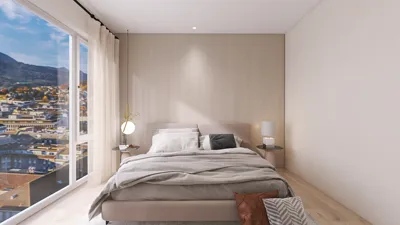


In a previous project, I assured a client of a stunning reading nook within a studio no larger than a shoebox. However, I arrived with a chair so enormous that it nearly obstructed the only window. This close call pushed me to experiment, ultimately leading to the creation of a compact reading nook that exuded a spacious and tranquil vibe. Through documenting this tiny reading nook transformation, I established some essential guidelines that have served me well since.
Limited spaces can ignite creativity; all it takes is the right chair and a few clever layout strategies. Here, I present five practical design inspirations that I've successfully implemented in real homes, along with some candid observations about potential pitfalls.
1. Slim-profile armchair with built-in storage
I adore a slim armchair that incorporates under-seat storage for magazines and throws—it appears as a typical chair but functions like a compact cabinet. This design is ideal for maximizing floor space while maintaining a clean aesthetic without sacrificing practicality.
Benefits: neat, comfortable, and budget-friendly. Caution: budget storage options may squeak or feel unstable; be sure to test drawers before making a purchase.
save pin
2. Window-seat bench paired with a slim side chair
Transforming a sunny windowsill into a cushioned bench and complementing it with a slender side chair allows for two distinct seating options without overcrowding the area. Sometimes, I add a narrow, low-profile chair to ensure the bench serves as the primary lounging spot while the chair can easily accommodate guests.
This inviting window-seat solution is particularly effective in rentals, as it tends to be primarily non-permanent. The drawback is that you'll require quality cushions and insulation to keep warmth in if the sill becomes chilly.
save pin
3. Folding lounge chair for multifunctional spaces
Folding lounge chairs have evolved significantly—many now boast a designer aesthetic while still being able to fold flat for easy storage. I suggested one to a client seeking a reading area that wouldn’t interfere with her yoga sessions.
These chairs are lightweight and adaptable, but it's crucial to choose a design that offers sufficient padding; ultra-thin folding seats might suffice for brief use but can become uncomfortable during lengthy reading sessions.
save pin
4. Curved corner chair that embraces the room
A compact curved chair that fits snugly in a corner softens harsh angles and creates a cozy atmosphere. I used this solution in a tiny living space, transforming the entire apartment into a more intentional and inviting environment.
It sacrifices some floor space in exchange for visual serenity. Be wary of navigating it through doorways upon delivery—measure thoroughly beforehand.
save pin
5. Bench combined with a small accent chair for flexibility
Combining a low bench with a petite accent chair provides light and versatile seating options. I often specify a small-scale armchair with visible legs to maintain an airy feel in the space. To illustrate this to clients, I utilized a few quick models from my 3D layouts, employing the tiny folding-chair concept to help visualize solutions prior to making purchases.
Budget consideration: opt for a durable fabric for the chair and an economical cushion for the bench—you can always enhance the upholstery later.
save pin
FAQ
Q1: What chair size is suitable for a small reading nook?
I suggest chairs with a seat width of 18–22 inches and a shallow depth of about 30–34 inches overall. Measure your corner and ensure there's at least 18 inches of clearance from the chair to the pathways.
Q2: Are folding chairs comfortable for extended reading periods?
Certain folding chairs can indeed be quite comfortable, provided they have ample padding and lumbar support. For lengthy reading sessions, select one with a slightly reclined back and a cushioned seat.
Q3: How can I prevent a small reading chair from making the space feel cramped?
Choose chairs with exposed legs, light-colored fabrics, and slim arms. Ensuring the chair's scale is proportionate to surrounding furnishings helps to avoid visual congestion.
Q4: Is it possible to design a reading corner in a studio apartment?
Absolutely—utilize vertical storage, a slender chair, and a rug to delineate the area. A bench beneath a window or a compact armchair can efficiently create a designated reading space without partitioning the room.
Q5: Which materials are ideal for a durable, small reading chair?
Opt for tightly woven fabrics or leather for durability; removable covers are advantageous for easy cleaning. Solid hardwood frames typically last longer than cheaper plywood options.
Q6: Any quick budget-friendly enhancements to increase comfort?
Well-placed lumbar pillows, a quality throw, and an ottoman can elevate an inexpensive chair into a cozy reading haven. Small investments often yield substantial comfort enhancements.
Q7: Is maintaining good posture important when reading in a comfortable chair?
Indeed. The American Chiropractic Association highlights that supportive backrests and proper lumbar alignment can significantly reduce strain during prolonged sitting. Consider adding a small lumbar pillow if necessary.
Q8: How do I determine if a chair will fit in my space before purchasing?
Measure your doorways and the intended location, then mark the chair's footprint on the floor with tape. You may also want to visualize your layout options using a simple room mockup or images from various cases to ensure the scale feels appropriate.
Looking to transform your space? Homestyler is your go-to online home design platform! With its user-friendly design tool, stunning 3D renderings, and a wealth of DIY video tutorials, you can easily create and visualize your dream home. Start designing today!
تصميم الآن مجانا
































