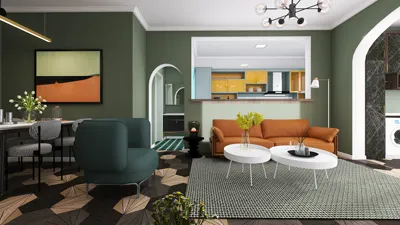


I once shared a light-hearted moment with a client regarding her small balcony ofrenda, suggesting it could double as a plant shelf. Her response, "As long as my abuelo gets a cactus, I’m happy," highlighted an important lesson: limitations can inspire creativity. You can create something meaningful even within just three square feet. When planning out your small altar designs, visualize the footprint first. This approach aids in arranging candles, photographs, and marigolds without making the space feel cluttered, much like how the Homestyler tool can help visualize space effectively.
1. Vertical Wall Ofrenda: The Shelf-Stacked Shrine
I enjoy leveraging vertical space in design — a series of slender shelves can tell a layered story with photos, papel picado, and small offerings. The advantage is that this keeps the altar elevated and free from clutter on counters. However, it's crucial to ensure that each shelf has enough space to breathe, ensuring that nothing looks overcrowded, which can sometimes be visualized using Homestyler.
save pin
2. The Floating Tray: Portable and Ritual-Ready
A wooden tray positioned on a console or windowsill can serve as a portable altar that is easy to relocate for lighting candles or cleaning. This budget-friendly option is perfect for renters who cannot install fixtures; just be cautious of the wind around candles and consider using battery-operated options if you're concerned about safety.
save pin
3. Shadowbox Memory Frames: Tiny Stories in Deep Frames
When there's no available floor space, I turn to shadowboxes — deep frames that incorporate a photo, a beloved item, and a sprig of marigold. They create a curated, intimate feel. Often, I visualize designs in my mind or use a 3D altar mockup to gauge spacing before hanging to avoid the hassle of re-drilling holes later. This method not only saves time but also helps achieve precision, similar to what you might find with Homestyler.
save pin
4. Folding Altar Cart: Ceremony on Wheels
Imagine a compact folding cart that can be set up for ceremonies and tucked away afterward—it’s an ingenious solution for spaces that double as living areas. Once, I crafted one for a client who needed a daytime surface for a lamp; at night, it transformed into a glowing ofrenda. Just make sure it’s stable and flame-safe if you’re using lit candles.
save pin
5. Multipurpose Console: Hidden Shrine in Plain Sight
A slim console table with a lower shelf or drawer efficiently conceals ritual items and reveals the altar when desired. I frequently create a layout plan for this type of setup — keeping incense, spices, and commemorative items both accessible and out of sight helps maintain a tidy living space while allowing the altar to shine. The downside is that you’ll need to be disciplined with storage to prevent it from becoming a catch-all.
save pin
FAQ
1. What is an ofrenda and why is it important?
I explain to clients that an ofrenda is an altar for Dia de los Muertos that honors departed loved ones. It provides a visual and sensory space welcoming ancestors. This practice holds both cultural and personal significance as it embodies memory and ritual.
2. Can I create an ofrenda in a studio apartment?
Absolutely! You can utilize vertical shelves, window sills, or even a folding cart to carve out a dedicated space without sacrificing living area. Small altars often feel the most deliberate as they require intentional choices of elements.
3. What are some safe alternatives to candles for small spaces?
Consider battery-operated candles or LED votives, which provide illumination without the risk of an open flame—these are especially ideal near drapes or in scenarios where you may need to step away. They are available in warm hues that mimic real candlelight.
4. How can I prevent my ofrenda from looking cluttered?
I suggest limiting your selection to a single photo, a signature item, one small food offering, and a floral element; negative space enhances the impact of each piece. Rotating the items seasonally also keeps the display fresh.
5. What materials work well against humidity if I position an ofrenda by a window?
Opt for sealed wood, metal trays, or ceramic bases instead of paper-only elements. Protect your photos in frames or plastic sleeves to avert damage, and consider a small undertray to collect water from vases.
6. How do I respectfully honor cultural traditions?
Understanding the significance of common elements—like marigolds to guide souls, and water to quench their thirst—is vital. Engage with family elders for insights on local customs; the focus on respect and intention is more important than achieving perfection.
7. Are there design tools available to assist with planning a small altar layout?
Certainly! Simple sketches or digital mockups can help visualize spacing and balance; often, I rely on layout tests to avoid unwanted surprises. For a more academic understanding of the tradition, check out Britannica's concise overview of Day of the Dead practices: https://www.britannica.com/topic/Day-of-the-Dead.
8. Can an ofrenda be temporary, only for certain events?
Definitely! Many individuals construct altars strictly for Día de los Muertos and store the items afterward. Utilizing modular components like trays or shadowboxes allows for a quick and respectful setup and teardown.
save pin
Looking to transform your space? Homestyler is your go-to online home design platform! With an easy-to-use design tool, stunning 3D renderings, inspiring design projects, and helpful DIY video tutorials, you can effortlessly create your dream home—no experience needed!
Zaprojektuj teraz za darmo
































