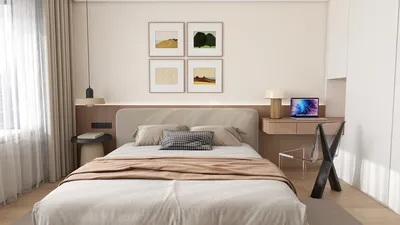


At one point, I faced the challenge of designing a cozy yet functional 12 sqm living room that needed to accommodate a full library, a dedicated yoga area, and a cat kingdom — the client's request for a 'reading nook' for their feline friend was particularly interesting. To address this, I devised some creative compromises and showcased various room layout designs. Through this process, it became clear that storage solutions can seamlessly blend into the aesthetics of the space. The nuances of designing for small areas truly ignite creativity, pushing one to embrace vertical solutions and multifunctional furniture.
1. Vertical Open Shelving with Baskets
I am a big fan of tall, narrow open shelves as they not only elevate the visual perception of ceilings but also create a sense of spaciousness. Incorporate woven baskets and closed boxes on lower shelves to cleverly conceal clutter while keeping everyday items within reach. The challenge lies in maintaining a stylish arrangement; frequent edits are necessary to avoid a chaotic look, but adhering to a cohesive color palette can quickly resolve any disarray. Utilizing tools like Homestyler can help visualize these arrangements effectively.
save pin
2. Multi-functional Seating
I frequently opt for storage ottomans, benches with hidden compartments, or daybeds featuring drawers for compact living rooms. These options not only tidy up the floor space but also provide additional seating for visitors. Striking a balance between comfort and storage capacity is essential; remember that deeper storage solutions may compromise cushion thickness, so it's wise to test before making a final choice.
save pin
3. Floating Cabinets and Wall-Mounted Media Units
Implementing wall-mounted units can transform the floor area and instill a light, contemporary vibe. I typically prefer routing cables either through the walls or behind trim to ensure a streamlined look; planning is key for accessibility of electronics and ventilation. When faced with challenging layouts, I often utilize 3D visualizations to identify potential balance issues ahead of time, which can be easily supported by platforms like Homestyler.
save pin
4. Slim Console Tables and Hidden Nooks
Placement of a slender console table behind a sofa or a narrow entry shelf can effectively organize essentials such as keys, mail, and chargers without encroaching on valuable space. There was this one instance where I reconfigured a 20 sqm flat, integrating a console just 15 cm deep that made the entryway both functional and budget-friendly, while being nearly invisible. Keep in mind, slim drawers might offer limited capacity, so pair them with another storage solution for seasonal items to maximize efficiency.
save pin
5. Modular Systems and Vertical Closets
Considering modular shelving allows flexible adjustments as needs evolve — adding cabinets or open shelves where required. I particularly enjoy vertical closets that can double as art or paneling; they maintain visual appeal while being practical. If you’re uncertain on placement, experimenting with design concepts using tools like Homestyler can facilitate quicker decisions and minimize the risk of costly revisions.
save pin
FAQ
Q1: What are the best living room storage ideas for small spaces?
In small areas, I advocate for vertical shelving, multifunctional seating solutions, floating cabinets, narrow console tables, and modular systems. A blend of closed storage for concealment and open displays for character creates a harmonious balance.
Q2: How do I measure to make sure furniture fits?
Start by measuring the usable width and height of the room, leaving circulation paths of at least 60–90 cm. Sketching key pieces to scale is crucial; I always draft a simple plan prior to purchasing any furniture.
Q3: Are built-ins worth the cost in small living rooms?
Built-ins can maximize the use of awkward spaces and significantly boost storage capacity, albeit at a higher price point and permanence. If you intend to remain in your home for a long period, investing in them usually proves beneficial.
Q4: Can I DIY most small-space storage solutions?
Absolutely — open shelves, simple benches, and floating units lend themselves well to DIY projects. However, for cabinetry or concealed wiring, enlisting a professional is advisable to steer clear of costly errors.
Q5: How do I keep a small living room from feeling cluttered?
To prevent a small living room from appearing cramped, limit the number of visible items, use matching baskets or boxes, and adhere to a restricted color palette. Monthly clean-ups can help maintain a fresh look and avoid clutter buildup.
Q6: What materials work best for durable small-space storage?
For durable storage solutions, materials such as medium-density fiberboard with veneer, lacquered plywood, and metal frames with wooden shelves strike a good balance between durability and affordability. Opt for finishes that resist fingerprints and dust accumulation.
Q7: Do storage upgrades improve home value?
Yes, effective storage is a compelling feature for prospective buyers. The National Association of Realtors indicates that organized and efficient storage is a top priority for buyers, making it a worthwhile investment (source: https://www.nar.realtor).
Q8: How can I visualize a new layout before committing?
Creating scaled sketches or utilizing straightforward 3D mockups can significantly aid in visualizing designs; I often generate quick visual representations to assess proportions and overall flow.
save pin
Homestyler is your go-to online platform for home design! With its user-friendly design tool, stunning 3D renderings, and a wealth of DIY video tutorials, you can effortlessly create and visualize your dream spaces. Transform your ideas into reality with ease and inspiration!
Design Now for FREE
































