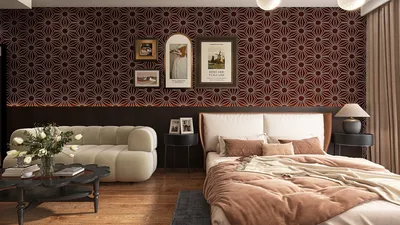


I once faced the challenge of designing a living room that integrated a home office next to a grand piano while still maintaining a cozy atmosphere. This task pushed me to think creatively and quickly. The final result was a thoughtfully arranged space that utilized a space-saving setup, rather than making it feel like an afterthought. Small areas truly inspire significant creativity, which is the focus of today's discussion.
In this article, I am excited to share five actionable design ideas for creating a small home office within your living room. These suggestions are based on my personal experiences and lessons learned from past projects. Expect to find budget-friendly tips and minimal compromises that make a big difference.
1. Create a nook with vertical storage
I enjoy transforming awkward vertical spaces into effective storage solutions. Utilizing a narrow shelving unit or wall-mounted cabinets helps clear up floor space, keeping your workspace organized. The benefit is enhanced organization and a clean visual perspective; however, ensuring the shelves appear thoughtfully designed rather than merely functional is crucial. I achieve this by balancing closed cabinets with open shelves featuring a few curated decorative items.
save pin
2. Opt for multifunctional furniture
Incorporating versatile furniture like a fold-down desk or a console that can double as a workspace allows for seamless transitions when guests arrive—both functional and considerate. I've found desks equipped with hidden cable management and compartments for paperwork beneficial; just be aware of the trade-off of reduced workspace. It's wise to take measurements before purchasing and consider elements like keyboard trays or benches that tuck under your desk.
save pin
3. Delineate the area with rugs and lighting
A practical method I consistently apply is layering a rug and a task lamp to visually establish a workspace without erecting physical barriers. This technique provides a distinct work area that is recognizable from the couch and is budget-conscious. When determining proportions, I often reference three-dimensional floor plans I've created to ensure that the scale of the rug and furniture looks appropriate in both photographs and the actual space.
save pin
4. Focus on ergonomics within a compact area
It's important to recognize that cramped environments can sometimes lead to neglecting ergonomic practices. I advise against this. A slim adjustable chair paired with a monitor riser significantly enhances comfort and productivity. Although the adjustable equipment might come with a higher price tag, it's worth allocating more budget here—you’ll appreciate it during lengthy working sessions.
save pin
5. Utilize translucent dividers and lightweight screens
For those moments when privacy is essential but you want to avoid heavy partitions, a frosted glass divider or a delicate woven screen can effectively minimize visual distractions while allowing light to pass through. These options are less obtrusive than full walls and can also enhance the decor. If you're exploring space planning with tight layouts, I've been experimenting with AI tools like Homestyler to quickly generate multiple design variations. They save time, though a designer's eye is necessary to perfect the final look.
save pin
FAQ
Q: What size desk is suitable for a small living room office?
A: Look for a desk width between 80–120 cm to create a compact yet effective workspace; always consider circulation space to ensure comfortable movement behind the chair.
Q: Can I temporarily use a couch as a workspace?
A: While it's okay for brief tasks, a proper chair and flat surface are essential for longer periods to minimize neck and back discomfort. A lap desk may be suitable only for occasional use.
Q: How can I conceal cables in a living room office?
A: Implement cable raceways, adhesive clips, and a small power strip secured under the desk to keep the cables tidy, helping to prevent tripping hazards.
Q: Why is lighting important in a living room office?
A: It's crucial to combine ambient lighting with a focused task lamp to reduce eye strain and visually distinguish the workspace from the remainder of the room.
Q: How do I manage noise in an open-plan living room?
A: Soft textiles, a thick area rug, and fabric-backed dividers can effectively absorb sound. If noise persists, consider using a white-noise machine or quality headphones.
Q: How can I style a small office without it feeling cramped?
A: Maintain a light color palette, choose slender furniture, and introduce one standout piece to convey intention. Remember, negative space is a valuable design strategy—avoid overcrowding.
Q: Are standing desks appropriate for small living room offices?
A: Yes, compact electric sit-stand desks are excellent for flexibility; they may require a slightly higher investment but can significantly enhance comfort and overall health.
Q: What is the recommended ergonomic desk height?
A: Ideal desk height varies based on personal measurements; generally, your elbows should be at a 90–100 degree angle while typing. For authoritative advice on ergonomics and safe workstation setups, refer to the OSHA ergonomics resources at https://www.osha.gov/ergonomics.
save pin
Discover the joy of home design with Homestyler! This user-friendly platform offers a powerful online design tool, stunning 3D renderings, and a wealth of design projects and DIY video tutorials. Transform your vision into reality effortlessly and creatively, regardless of your experience level!
Design jetzt kostenlos
































