

In my experience designing a cozy corner bed configuration for a boutique hotel, the client requested that I conceal the minibar to avoid a cluttered appearance in the room. This amusing request taught me the value of subtlety in design. Small hotel rooms challenge designers to think creatively: with the right elements, even the tiniest spaces can exude a sense of luxury rather than feeling cramped. Early in my profession, I leaned heavily on oversized artwork and vibrant colors, but today I focus on nuanced design elements like space-efficient layouts to enhance the room's ambiance (and garner better reviews).
1. Custom-like multi-functional furniture
I am a big fan of modular benches that double as hidden storage and foldaway desks; they allow a single piece to serve as a luggage rack, seating area, and nightstand. The benefits are significant — fewer furniture pieces create more open floor space and simplify cleaning — although opting for high-quality hardware can slightly increase costs. My advice: choose a standout multifunctional item for each room while keeping the rest of the decor minimalist.
save pin
2. Layered lighting for aesthetics and function
Effective lighting can transform an inexpensive mattress into an inviting centerpiece and make a small room appear more spacious. I often employ a combination of warm downlights, adjustable bedside lamps, and accent LEDs behind headboards to introduce depth into the space. The primary challenge is wiring in older buildings, so it’s vital to plan ahead and budget for additional circuits if necessary.
save pin
3. Optical illusions to enhance perceived space
I frequently utilize mirrors, continuous flooring, and vertical lines as my primary visual strategies; they are both budget-friendly and effective. I often create a long, narrow shelf at eye level to guide sightlines and display artwork along the length of the wall; these design choices promote flow without creating clutter. To visualize these ideas in both plans and 3D, I occasionally use a 3D floor planner like Homestyler to test proportions before making any commitments.
save pin
4. Thoughtfully designed bathroom zones
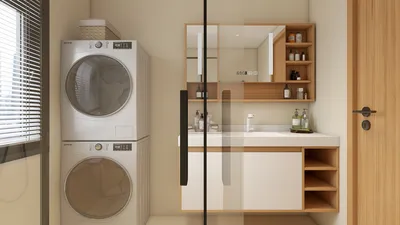
Bathrooms can make or break a small hotel room’s appeal; by establishing wet and dry zones with frameless glass and raised curbs, I can maintain an airy visual field. Using compact vanities that offer built-in storage and wall-mounted fixtures conserves precious space, although rerouting plumbing might incur additional costs. My approach typically starts with a simple sketch to prevent misunderstandings and surprises during the installation process.
save pin
5. Layouts designed for efficient housekeeping
An efficient circulation design can significantly reduce cleaning times and minimize downtime, so I focus on avoiding tight corners and awkward furniture placements. Incorporating designated linen closets along with a small service alcove can reduce congestion in hallways and enhance turnover rates. When clients seek tech-savvy solutions, I consider integrating smart service circulation options to streamline operations without creating an overly industrial feel in the rooms.
save pin
FAQ
Q1: What is the fundamental principle of designing small hotel rooms? The key is to maintain clear circulation paths while prioritizing multifunctionality. A structured approach — focusing on the bed first, essentials second, and decor last — ensures that each square meter serves multiple purposes.
Q2: How can I create a luxurious feel in a small hotel room without overspending? Concentrate on tactile materials, thoughtful lighting, and a well-coordinated color scheme. Small investments in quality bedding, an attractive headboard, and layered lighting significantly enhance perceived value without incurring high costs.
Q3: Are foldaway beds a viable option for hotel rooms? They can work for certain boutique scenarios but may carry risks of mechanical failure and longer turnover times. If you choose this route, ensure you opt for commercial-grade mechanisms along with straightforward user instructions to prevent guest frustration.
Q4: What common errors should be avoided in small hotel room layouts? Overcrowding with furniture and poor sightlines are frequent mistakes; ensure that seating isn't placed opposite the television and that natural light isn’t obstructed. I recall a room where luggage storage was placed behind the door — a minor detail that frustrated every guest.
Q5: What's a reasonable budget for refreshing a small room? Budgets differ, but aim for at least 10–15% of the total room value for lighting and finishes, plus a contingency for unexpected mechanical issues. Prioritizing systems that boost turnover and enhance reviews will yield the best return on investment.
Q6: Are there important accessibility factors to consider? Absolutely — adhere to the ADA Standards for Accessible Design (2010) regarding clearances, grab bars, and door dimensions; these guidelines help ensure that rooms are accommodating for a broader range of guests while minimizing liability (see https://www.ada.gov/2010ADAstandards_index.htm). Implementing basic accessibility features often benefits all users.
Q7: How can I validate a layout before beginning renovations? I consistently perform quick plan studies and create low-fidelity mockups; even cardboard cutouts of furniture can help visualize the flow. Digital models, especially with tools like Homestyler, are also excellent for exploring lighting and materials.
Q8: Is it advisable to invest in smart room technology? Smart tech can enhance guest satisfaction but often brings added complexity; I recommend starting with simpler systems such as smart thermostats and keyless entry solutions. Monitor guest feedback and operational impacts before rolling out more advanced technologies across the property.
save pin
Discover the power of Homestyler for your home design projects! This user-friendly platform offers an intuitive online design tool, stunning 3D renderings, and a wealth of DIY video tutorials. Transform your vision into reality and explore endless design possibilities with ease!
Zaprojektuj teraz za darmo
































