

I once attempted to integrate a walk-in closet into a 60 sqm home at the insistence of a client who believed their extensive shoe collection deserved a runway. Reflecting on that experience, which I often find humorous, I learned that working within smaller spaces inspires remarkable creativity. My decade-long journey in designing compact homes has equipped me with techniques that enhance both space utilization and comfort.
1. Open-concept layout with distinct zones
Rather than relying on rigid walls, I frequently employ furniture arrangements and slight variations in flooring to delineate the kitchen, dining, and living areas. This approach allows for uninterrupted sightlines, creating an illusion of a more expansive home while ensuring each zone remains functional. The advantage lies in improved natural light and sociable flow, but clever storage solutions are necessary to prevent clutter from spilling into different areas.
save pin
2. Versatile guest/home office bedroom
Transforming a single bedroom into a dual-purpose space, serving both as a guest room and a home office, is a game-changer. I've successfully integrated wall-mounted desks and fold-down Murphy beds to maintain a functional workspace during the day. This approach is cost-effective and immensely practical, but it's important to consider soundproofing and privacy if housemates have varying schedules.
save pin
3. Optimized compact kitchen designs
For two-bedroom single-story floor plans, a compact yet efficient kitchen layout conserves square meters for living spaces. Consider a galley or L-shaped design featuring full-height cabinets and integrated appliances. This setup promotes cooking efficiency along with ample storage, though ensuring sufficient prep space is crucial—adding a movable island can enhance functionality.
save pin
4. Private master suite with clever en-suite
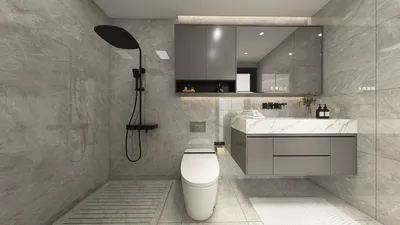
Designing a cozy en-suite bathroom for the master bedroom can incorporate vertical storage and a walk-in shower instead of a bathtub. I once crafted a design where a shallow vanity and recessed shelving transformed the bathroom into a spa-like retreat without consuming additional square footage. However, early planning of the plumbing layout is crucial to avoid expensive adjustments later.
save pin
5. Outdoor expansion and light wells
Incorporating courtyards, small patios, or light wells can significantly enhance the daylight intake and visually enlarge a single-story residence. I remember adding a pocket patio between the living area and bedroom, which completely altered the spatial perception of the house. This feature is excellent for both airflow and natural light; however, considerations around climate and privacy from neighbors are key.
save pin
Tips 1:
From a budgeting perspective, prioritize thoughtful layout and storage solutions over high-end finishes; a clever design can offer more value in everyday life than an expensive countertop. If you’re looking to quickly experiment with layouts, using a 3D floor planner like Homestyler can help visualize different configurations before making construction commitments.
save pin
FAQ
Q: What should be the ideal size for a two-bedroom single-story house? A: Efficient designs for two-bedroom single-story homes generally range between 60 and 120 square meters, based on the desired balance of living and storage space; select a plan that harmonizes shared living areas with private bedrooms.
Q: How can I incorporate a laundry space without compromising area? A: Utilizing stackable appliances in a hallway closet or integrating them into the bathroom are popular strategies; ensure adequate ventilation and soundproofing are considered.
Q: Is an open-concept design preferable for smaller homes? A: Typically yes—open plans boost natural light and the perception of space, but it’s important to plan for storage and acoustics to maintain livability.
Q: Is it feasible to include an en-suite in a small master bedroom? A: Yes, compact en-suites featuring corner showers and recessed shelving are very effective; keeping plumbing runs short will help manage costs.
Q: How can I ensure privacy if one bedroom serves as a home office? A: Consider installing sliding doors, using acoustic panels, or employing multi-layered curtains to provide separation between work and rest areas when necessary.
Q: How can I enhance natural light in single-story designs? A: Light wells, clerestory windows, and interior courtyards are excellent solutions; for inspiration, try a user-friendly floor plan creator to experiment with window placements.
Q: Are single-story homes costlier per square meter? A: They can potentially be due to the larger roof and foundation area, although simpler structural requirements and enhanced accessibility frequently balance out these costs. For layout trials, I recommend utilizing a kitchen layout planner, such as Homestyler, to maximize efficiency in the work triangle and cabinetry.
Q: Where can I find official guidelines for minimum room dimensions? A: It's advisable to consult local building regulations; for instance, the International Residential Code (IRC) outlines requirements for room sizes and egress procedures—always check with your local authorities for accuracy.
save pin
Homestyler is your go-to online home design platform, perfect for turning your ideas into reality. With its user-friendly design tool, stunning 3D renderings, and a wealth of design projects and video tutorials, you can effortlessly create and customize your dream space. Start designing today!
지금 무료로 디자인하세요
































