

There was a time when I attempted to place a pool table into a loft measuring just 10 feet wide because a client insisted it was a sure fit. Spoiler alert: it was not successful. However, this near-fiasco pushed me to think creatively about space management, leading to insights that ultimately made the area more enjoyable than a full-sized table could ever offer. If you're tackling a limited space, small areas can ignite grand ideas; here, I'm sharing five unique game room concepts I've implemented in actual projects, along with practical tips and some budget considerations. For those looking to visualize how digital planning can elevate a cramped area into a stylish haven, explore the transformative solutions that helped me conceptualize challenging layouts, including designs made through Homestyler.
1. Vertical Arcade Wall
Transforming a dull wall into a vibrant arcade feature is one of my favorites: think of wall-mounted retro cabinets, a sleek shelf for controllers, and luminous LED highlights. This approach maintains a minimal footprint while creating a striking focal point for the room. However, be mindful of the necessary wiring and ventilation to prevent overheating of screens.
save pin
2. Convertible Furniture for Multiplayer Nights
In small apartments, my preferred solution is a foldable table that doubles as both a dining area and game board, complemented by stackable stools conveniently tucked beneath a bench. This setup is budget-friendly and adaptable, though it requires a bit of time to set up before game night. Opt for robust materials that can withstand the rigors of dice games and spilled drinks.
save pin
3. Built-in Banquette Gaming Nook
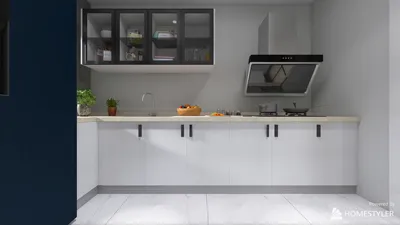
A comfy banquette featuring under-seat storage and a pull-out table can accommodate four people comfortably without disrupting the living room's flow. This idea works wonders adjacent to a compact kitchenette in open-plan areas. If you’re aspiring to create an efficient eat-and-play zone, consider exploring compact kitchen layouts and adapt the flow concepts to your gaming nook.
save pin
4. Hidden Tech Cabinet and Drop-Down Screen
I've designed a slim cabinet that conceals a gaming console, controllers, and a motorized screen. When closed, it resembles a tidy media cabinet, but when opened, it becomes game-ready. The only downside is the cost; investing in quality hardware and proper ventilation can add up, yet the result is a clean, multifunctional area.
save pin
5. Minimal Table + VR Corner
For very compact spaces, consider pairing a small folding table for board or card games with a designated VR corner; adding a wall-mounted retractable mirror or panel enhances tracking and playback. If you're looking to assess sightlines and dimensions before making purchases, using 3D visualization tools — like those available in Homestyler — can help you test arrangements, saving you both time and money.
save pin
FAQ
Q1: What’s the best floor choice for a small game room?
Opt for durable, low-maintenance flooring such as vinyl planks or engineered wood, offering a balance between cost and longevity. Incorporating an area rug in the gaming area can improve acoustics and comfort.
Q2: How much clearance do I need around a game table?
Ideally, provide at least 36 inches of space for circulation to ensure players can move and sit comfortably; tighter configurations may accommodate sliding chairs or benches.
Q3: Is it possible to fit a pool or ping-pong table in a small room?
Standard-sized tables require ample clearance, so I often advise opting for downsized or foldable alternatives in smaller rooms to maintain mobility and ensure safety.
Q4: How do I manage cables and tech clutter?
Implement concealed power strips, in-cabinet ventilation, and a single cable management solution to keep the area looking tidy. Consider labeling wires during setup to avoid confusion later.
Q5: Is lighting crucial in a compact game room?
Definitely! Utilizing layered lighting (including task, ambient, and accent lighting) can create the illusion of a larger space and enhance playability. Installing dimmers can also set the mood depending on the type of game being played.
Q6: What furniture materials work best?
Select resilient, stain-resistant materials and finishes because game rooms experience heavy wear and tear. Metal frames coupled with treated upholstery make for smart, durable choices.
Q7: Are noise solutions necessary in small homes?
Soft furnishings, curtains, and carpets can help absorb sound; for more robust soundproofing, think about implementing acoustic panels. The National Kitchen & Bath Association (NKBA) provides valuable spacing and layout guidelines that can assist in circulation and acoustics planning.
Q8: How can I preview a layout before I invest in furniture?
Utilize simple sketches or free online layout solutions to test proportions; for those seeking photorealistic previews, 3D rendering tools, such as those available through Homestyler, can effectively demonstrate scale and sightlines.
save pin
Discover your dream home with Homestyler! This user-friendly online design platform offers a fantastic design tool, stunning 3D renderings, and an array of inspiring design projects. Plus, with informative DIY video tutorials, transforming your space has never been easier. Start designing today!
立即免费设计
































