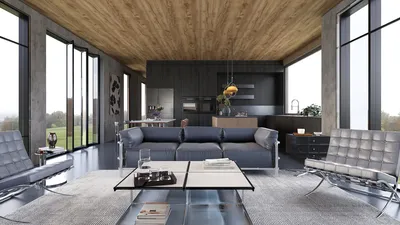


In one instance, a client firmly believed that their cat required a designated painting area — yes, their cat — which nearly derailed my entire layout as I struggled to fit a litter box near an easel. This unexpected situation highlighted for me the importance of prioritizing essential elements in compact spaces. Although small bedrooms can present challenges, they also inspire the kind of innovative problem-solving that I genuinely enjoy.
1. Foldable Workstation
A wall-mounted foldable desk can transform a bedroom into an art studio in mere moments. I employed this strategy in a 9㎡ space: when not in use, the desk becomes a slender art cabinet, and when opened, it provides ample surface area for sketching or using a compact laptop. The benefits are clear — it maximizes space — although one must also consider storage solutions for larger canvases. For taller supplies, think about installing a vertical canvas rack above the bed, which can be effectively visualized using tools like Homestyler.
save pin
2. Vertical Storage and Display
Utilize your walls not only as a gallery space but also as storage. Installing open shelves, pegboards, and picture ledges allows you to display works-in-progress while keeping brushes, paints, and frames easily accessible. In one case, adding a pegboard above a radiator helped de-clutter without reducing floor space. The downside is that this can lead to a busier visual effect, so I recommend maintaining a consistent color palette to create a sense of calm within the room.
save pin
3. Multi-Purpose Furniture
Opt for furniture that serves multiple purposes: think of a daybed with under-seat drawers, a rolling cart that doubles as a side table, or a mirror-front cabinet that conceals supplies. In a previous project, I managed to fit a compact Murphy bed above a storage unit, allowing a full-size easel to remain set up. The positive outcome is smooth transitions between sleeping and working, while the potential downside may be the higher initial investment for custom pieces.
save pin
4. Flexible Studio Areas
When a fixed arrangement isn’t feasible, focus on mobility. A lightweight easel, a painter's trolley, and clip-on lamps enable quick reconfigurations of your space. I often suggest using storage on casters — they allow for easy cleaning and rearrangement when preparing for photoshoots. However, one must be cautious of potential instability on uneven floors, so investing in lockable casters is wise.
save pin
5. Light and Color Strategy
Quality lighting can significantly enhance your space. Combine natural daylight with adjustable warm task lighting to ensure color accuracy for painting, all while maintaining a cozy vibe in the evenings. Using light-reflective wall colors alongside a well-placed full-length mirror can create an illusion of more space. A small challenge is avoiding glare on glossy works; however, diffuse lighting can effectively address this.
For efficient planning and visualizing layouts swiftly, I sometimes rely on a room planner to experiment with different configurations before finalizing built-ins, making tools like Homestyler invaluable.
save pin
Tips 1:
Budget tip: begin with portable solutions (like rolling carts and foldable desks) and incorporate custom storage solutions later. Prioritize measuring your largest canvas and tools before designing around those specifications to avoid unforeseen challenges.
save pin
FAQ
Q: What layout works best for a small bedroom art studio?
A: Position your primary work surface near the best source of natural light, and utilize vertical storage to keep the floors clear for safe navigation.
Q: How can I store large canvases in a compact space?
A: Implement a vertical wall-mounted rack or slim corner slots behind doors, and if possible, store infrequently used pieces under elevated furniture.
Q: Is it alright to keep an easel set up in a bedroom permanently?
A: Absolutely, provided you arrange the furniture thoughtfully around it. Consider utilizing a foldable or portable easel for flexibility and to maximize floor space when needed.
Q: What lighting arrangement is best for achieving accurate colors?
A: Pair north-facing natural light (if available) with high-CRI daylight bulbs in work areas to ensure colors remain true.
Q: How can I manage dust and mess in a bedroom studio?
A: Use sealed storage for powdered pigments, a washable drop cloth, and a small HEPA filter for cleanliness; regular quick clean-ups will help prevent buildup.
Q: Are there design tools available for previewing my studio layout?
A: Yes — I regularly create quick 3D mockups to explore proportions and circulation before purchasing furniture, utilizing resources such as Homestyler.
Q: Is it feasible to have an art studio within a shared bedroom?
A: Yes, through zoning techniques (like curtains and shelving screens) and using quiet materials, you can effectively balance living and working areas.
Q: Where can I find reliable safety guidelines for artists' workshops?
A: I recommend checking the Occupational Safety and Health Administration (OSHA) website for essential safety protocols and handling hazardous materials: https://www.osha.gov.
save pin
Discover the creative potential of your home with Homestyler! This user-friendly online design platform offers powerful 3D rendering, an extensive array of design projects, and helpful DIY video tutorials. Whether you're a novice or a seasoned designer, Homestyler makes home design inspiring and accessible.
立即免费设计
































