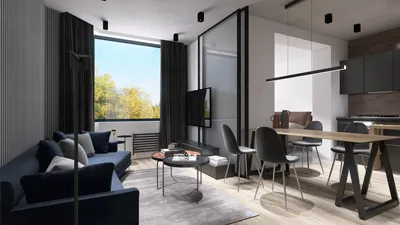


In one instance, I assured a client that we could accommodate a full sip-and-paint event in a space as small as a shoebox. We succeeded, but this experience taught me that having a well-structured plan is more crucial than the size of the venue. Initially, I quickly sketch seating arrangements and experiment with lighting since a thoughtfully designed layout is always preferable to mere guessing. For those seeking innovative room layout concepts, I frequently start by mapping out pathways and sightlines that enhance guest movement: room layout ideas are key.
1. Portable easel stations
For home art nights, I highly recommend portable easels — they provide ample canvas space without taking up too much floor area. Their advantage lies in the ability to set up for six and easily collapse to none; however, it is wise to invest in sturdier models as the cheaper options may be unstable.
save pin
2. Bar cart supply station
Transform a bar cart into a dedicated art supply hub: keep brushes, paints, water cups, and napkins conveniently close. This setup minimizes mess and also serves as a drinks bar, though it's important to secure wet items to prevent spills when guests reach for their beverages.
save pin
3. Leverage vertical spaces and sightlines
In compact homes, I turn to walls and window sills to maximize usable space — using narrow wall shelves for drying and a ledge to hold appetizers. Before finalizing the arrangement, I visualize the setup to ensure guests have room to move comfortably; oftentimes, I create a mock-up to assess dimensions in 3D, which helps avoid unexpected challenges.
save pin
4. Tricks for ambient task lighting
Quality lighting enhances paint colors and elevates photo quality. I combine a warm overhead light source with adjustable clamping lamps to ensure each painter receives consistent lighting; however, it's crucial to pad the clamps with felt, as they can damage the paint otherwise.
save pin
5. Repurpose a kitchen nook into a cozy studio
Small kitchens often have quirky nooks that can easily be transformed into delightful painting spaces — just add a narrow table, some stools, and a drop cloth, and voila! You've got a charming studio setup in no time. This approach is budget-friendly and invites social engagement; just remember to protect counters and maintain proper ventilation when working with stronger mediums. For layout adjustments, I often refer to simple kitchen nook ideas to ensure that seating and serving can coexist comfortably within the same area.
save pin
FAQ
Q: What essential supplies are needed for a home sip-and-paint?
You should gather brushes, acrylic paints, canvases or paper, water jars, palettes, drop cloths, aprons, and adequate lighting. It’s a good idea to keep extras of basic items like paper towels and disposable cups available.
Q: How many guests can I accommodate in a small area?
I typically plan for 4–6 people in a snug living room and 8–10 if there's a foldable table or balcony available for expansion. Guest comfort is influenced by seating arrangements and ease of movement — don’t overlook the importance of having clear paths.
Q: Is drinking alcohol permissible during painting events?
While alcohol can certainly add to the enjoyment, it's smart to establish limits and provide nonalcoholic alternatives. For tips on moderate consumption and safety measures, check the CDC’s guidelines: https://www.cdc.gov/alcohol/.
Q: How can I protect my floors and furniture?
Utilize budget-friendly plastic drop cloths or painter’s paper, secure the edges, and create a drying area to minimize drips. Encourage guests to wear aprons and organize wet items centrally on a cart for simplicity.
Q: What’s an economical lighting solution?
Clamp lamps featuring daylight bulbs are both affordable and versatile — clamp them to tables or shelves, ensuring consistent coverage. For a cozier feel, consider adding LED string lights to enhance the ambiance.
Q: Is it feasible to host a sip-and-paint outdoors?
Absolutely — patios and balconies provide excellent ventilation and facilitate easy cleanup. The main concern is weather, so it’s wise to have an indoor backup plan or tents ready for shade and wind protection.
Q: How long should the session last?
Aim for a duration of 90–120 minutes for beginners: it's long enough to complete a piece while remaining short enough to keep spirits high. Allow for a relaxed buffer period afterward for guests to take photos or enjoy further conversation.
Q: Any advice for creating the right atmosphere?
I curate an engaging playlist, set up a simple snack area, and soften excessively bright lights — utilizing bright yet soft task lighting yields the best results. Adding small touches, such as a communal theme or sample painting, can help guests feel more at ease and confident to begin their projects.
save pin
Looking to transform your home? Homestyler is your go-to online design platform! With its easy-to-use design tool, stunning 3D renderings, and a wealth of DIY video tutorials, you can effortlessly create beautiful spaces and bring your vision to life. Start designing today!
立即免费设计
































