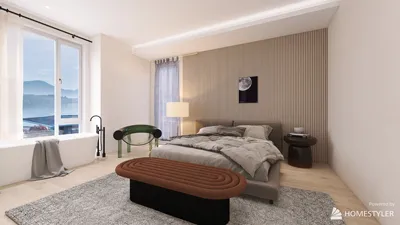


In recent times, I have frequently recommended sage green and grey color schemes for living rooms to my clients. These hues evoke calmness and sophistication, making them especially suitable for smaller spaces where every design decision counts. Personally, I find that working with compact areas often drives creativity more than designing larger rooms — limitations genuinely spark innovative ideas. In this article, I will share 10 creative living room concepts incorporating sage green and grey, drawing from my design experiences and expert knowledge.
1. Minimalist Sage Green Upholstery
My Perspective: Last year, I assisted a client with a studio apartment aiming for a calm yet fashionable focal point that wouldn’t overwhelm the area. We selected a sage green sofa with slender arms, beautifully framed by soft grey walls.
Advantages: Minimalist sage upholstery complements light grey walls wonderfully, creating an airy, uncluttered ambiance. The Color Marketing Group suggests that muted greens help to alleviate visual stress, making them ideal for smaller living spaces.
Disadvantages: Light-colored fabrics can reveal stains more readily, which may lead to increased maintenance.
Suggestion: Choose stain-resistant fabrics to maintain your sofa's fresh appearance over time.
2. Grey Walls with Sage Accents
My Perspective: In one of my design projects, soft grey walls served as a neutral backdrop, layered with sage-colored accessories such as throw pillows, vases, and an ottoman. This approach united the room without creating a monotonous color scheme.
Advantages: Grey walls provide a versatile canvas, enabling easy accessory swaps while maintaining a cohesive aesthetic.
Disadvantages: Without varied textures or patterns, the space can appear flat.
In a similar undertaking, we employed sage green accents enhanced by an AI-driven layout that optimized functionality and style in a confined area.
3. Layered Textures in Sage and Grey
My Perspective: A client once described their room as feeling ‘cold’. By incorporating chunky knits, linen drapes, and velvet cushions in sage and grey tones, we were able to quickly increase the warmth and comfort of the space.
Advantages: Adding various textures can enrich the room, making even minimalist designs feel more inviting; long-tail: 'sage green textured living room'.
Disadvantages: Too many layers might clutter a small area, making it feel chaotic.
4. Sage Green Feature Wall
My Perspective: Clients often react positively when we introduce a singular sage green feature wall. It’s a less risky option compared to painting the entire room and still makes a significant impact.
Advantages: A feature wall creates a central point without dominating the space; paired with soft grey surrounding walls, it can give an illusion of greater depth.
Disadvantages: Without harmonizing décor, feature walls can quickly feel outdated.
5. Grey Sofa with Sage Décor
My Perspective: For families with young children, grey sofas can be a lifesaver, effectively hiding everyday marks and spills. Incorporating sage-colored throws and poufs keeps the look fresh and trendy.
Advantages: This style is adaptable and practical, and it allows for seasonal changes; long-tail: 'grey sofa with sage green accessories'.
Disadvantages: Solely using grey can appear overly safe and dull if not accessorized thoughtfully.
6. Natural Wood with Sage and Grey
My Perspective: In one transformation, we introduced a reclaimed oak coffee table to diversify the color palette. The combination of wood warmth with sage and grey created a balanced and organic feel.
Advantages: Natural materials anchor the design and add warmth; this concept works particularly well in Scandinavian-themed spaces.
Disadvantages: Improperly treated wood may stain or warp over time.
We combined wood elements with an open-plan 3D layout through Homestyler, allowing us to adjust proportions before finalizing furniture purchases.
7. Glass and Metallic Accents
My Perspective: A sage and grey room can greatly benefit from reflective elements — I once used a brass lamp alongside a smoky glass coffee table to elevate the color scheme.
Advantages: Metallics and glass introduce brightness and enhance the colors' vibrancy.
Disadvantages: Excessive metal can impart a cold or industrial vibe to the space.
8. Botanical Elements
My Perspective: Incorporating plants in grey ceramic pots extends the sage color range while invigorating the room.
Advantages: According to a 2020 WELL Building Standard review, biophilic design can lower stress and enhance air quality.
Disadvantages: Live plants need regular care, which might be inconvenient for frequent travelers.
9. Built-in Storage Solutions
My Perspective: Sage cabinetry against light grey walls is one of my favorite hacks for small living rooms — it optimizes storage without appearing bulky.
Advantages: Built-in solutions keep the environment organized and visually appealing; perfect for compact apartments.
Disadvantages: Fixed units limit design flexibility, especially if you prefer frequent makeovers.
One of my clients enjoyed how sage cabinetry streamlined their living area, creating more open floor space.
10. Seasonal Swaps
My Perspective: Rather than a rigid design, this is more of a philosophy — maintain a base of sage and grey, then rotate accessories seasonally.
Advantages: This is a budget-friendly way to refresh your living area; works well for long-tail: 'seasonal sage green and grey living room styling'.
Disadvantages: You’ll need storage for off-season decorations.
Conclusion
In my experience, designing a living room with sage green and grey has always felt more liberating — it fosters smarter, more imaginative solutions. Research from the Pantone Color Institute highlights the enduring and soothing nature of muted greens and neutrals, making them excellent choices for any home. Which of these concepts do you envision trying in your own space?
FAQ
1. Why opt for sage green and grey in a living room?
These shades strike a balance between tranquility and elegance, suitable for both compact and spacious areas.
2. What accent colors pair well with sage and grey?
Soft blush, brass, natural wood tones, and off-white serve as excellent complements.
3. Is sage green still trending?
Certainly — forecasts from WGSN include it among the top interior colors for upcoming years.
4. How can I prevent a grey and sage room from feeling chilly?
Incorporate textured fabrics, layered lighting, and warm wood tones.
5. Can I mix patterns with these hues?
Absolutely; just ensure that patterns share similar tones for a cohesive look.
6. What’s the ideal grey hue to accompany sage?
Warm greys or greige tones are best for creating a cozy atmosphere.
7. How can I integrate sage and grey on a budget?
Start by updating smaller décor items such as cushions, rugs, and wall art before replacing larger furniture pieces.
8. Are there online resources to help plan my sage and grey layout?
Yes, tools like Homestyler can assist in visualizing your space prior to making any purchases.
Discover the joy of home design with Homestyler! This user-friendly platform offers an incredible online design tool, stunning 3D renderings, and a wealth of design projects and DIY video tutorials. Transform your space effortlessly and unleash your creativity today!
Design Now for FREE
































