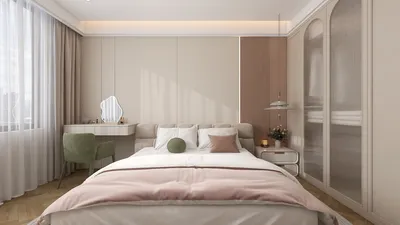


In a previous project, I created an expansive gallery wall in a compact 9㎡ bedroom, pushed by the client's desire to saturate the space with "personality". This experience almost compromised the room's openness, highlighting the importance of strategic photo placement and styling. Key principles such as scale, the use of negative space, and establishing a focal point are essential. To ensure that the furniture and artwork harmonize within the area, I often recommend using tools like Homestyler to visualize layouts before making any purchases.
1. Curated Photo Ledge as a Rotating Gallery
A slim picture ledge positioned above the headboard is one of my favorite solutions. This method allows you to keep art within easy view without needing to drill numerous holes into the wall. You can artistically layer different frames, combine personal photographs with prints, and easily change pieces seasonally. It's particularly suitable for those on a budget or renting. However, it's important to avoid overcrowding the ledge; I advice sticking to 3-5 artworks and selecting one cohesive color or theme to prevent clutter.
save pin
2. Bed Nooks with Vertical Photos for Height
If your room feels confined due to low ceilings, arranging photos vertically can help create an illusion of height. I designed a cozy nook for a client using tall, framed images alongside a slim shelf; as a result, the bed seemed more elevated and inviting. This approach is budget-friendly and low-risk, but be sure to consider the size of the artwork to avoid overpowering a small headboard.
save pin
3. Mirror + Photo Pairing to Double the Visual Field
Mirrors are an interior designer's secret weapon — place a medium mirror opposite a cluster of photos to reflect light and expand the visual space. In one studio makeover I was involved with, this technique effectively made the entire area appear nearly twice its actual size in photographs. When styling for visual shoots, it's important to think about how reflections will interact with the images; avoid any mirrored surfaces that can cause distractions. To brainstorm exciting concepts swiftly, I encourage clients to leverage Homestyler to create mood boards with sample layouts before purchasing their frames.
save pin
4. Floating Shelves and Leaning Frames for Flexible Styling
Floating shelves provide the flexibility to arrange plants, books, and photos without the need for permanent fixtures. Leaning larger frames against the wall brings in an effortlessly casual, editorial aesthetic that photos thrive on. The downside of leaning art is that it can feel a bit informal — be sure to secure heavier pieces if children or pets are around — yet it remains one of my favorite ways to give a quick refresh to a room’s look.
save pin
5. Textile-First Styling with Photo Accents
Begin your styling process with bedding, throws, and cushions in two to three shades, then select images or prints that correspond with your primary color. Textiles lend warmth to the space and make photographic art stand out in both reality and in images. For extremely small rooms, I often draft a few stylistic arrangements that fit comfortably within the bed area, recommending space-efficient solutions to ensure styling elements don’t obstruct movement around the room.
save pin
FAQ
Q1: How do I style photos in a small bedroom without clutter?
I recommend focusing on a handful of standout pieces, utilizing ledges or leaners for display, and incorporating a consistent element (like frame color or matting) to maintain a unified aesthetic. Remember that negative space is vital in creating a balanced look.
Q2: What photo sizes work best over a bed?
For narrower beds (single/twin), opt for either a single 50x70cm piece or two slender vertical frames. For larger beds, consider using a trio of smaller frames or a single wider artwork; aim for the pieces to occupy about two-thirds of the headboard’s width.
Q3: Can photos help make a room look bigger in photos?
Absolutely — employing vertical arrangements, mirrors, and light-toned frames can help direct the eye upward and reflect light, enhancing the space's appearance. Additionally, photographer’s angles from the corners often maximize perceived depth in images.
Q4: Are prints or original photos better for bedroom decor?
Both options are effective — prints are budget-friendly and easily interchangeable, while originals provide unique character. For renters, I advise utilizing high-quality prints in matching frames to ensure a cohesive overall look.
Q5: How should I light photos in a bedroom?
Incorporate both ambient and task lighting; picture lights or adjustable sconces add a touch of drama but should be dimmable to prevent harsh glare in photographs. For the best photographic results, opt for soft, warm bulbs.
Q6: Any budget-friendly framing tips?
Invest in a few quality frames and swap out mats to refresh the art; thrift stores and online print services can yield diverse options at minimal cost. Matte finishes are also advisable to reduce glare during photography.
Q7: How often should I rotate bedroom photos?
Seasonally, or whenever you crave a fresh look — changing out a few pieces can take mere minutes, keeping the environment feeling renewed without undertaking a comprehensive redesign.
Q8: Do photos in a bedroom affect sleep quality?
Indeed, the National Sleep Foundation emphasizes that the bedroom environment can impact sleep quality. I suggest utilizing calming images and steering clear of overly stimulating or high-contrast artwork near the bed to foster a more restful atmosphere.
save pin
Homestyler is your go-to online home design platform! With an intuitive design tool, stunning 3D renderings, and a wealth of inspiring design projects and video tutorials, it's never been easier to create your dream space. Dive in and start designing today!
Concevez maintenant gratuitement
































