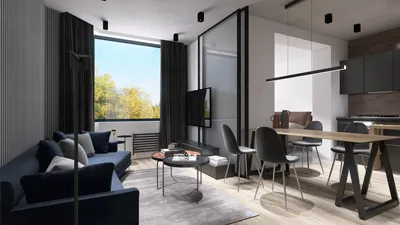


The initial time a client requested me to "enhance the height of the chimney with paint," I nearly jokingly suggested a ladder and a trombone. Instead, I discovered that tall walls offer an excellent opportunity for applying proportion tricks and creating eye-catching compositions. I frequently utilize simple mockups to help clients visualize layouts early in the design process. Small walls can indeed inspire great creativity, which led me to compile five of my favorite painting ideas for tall walls, drawn from actual projects and studio experiments. Incorporating tools like Homestyler can also enhance this visualization process.
1. Vertical Gallery Stack
Crafting a vertical gallery stack is one of my favorite techniques. This involves arranging a series of framed artworks along a central axis, allowing the viewer’s gaze to naturally travel up and down the wall. This design element appears polished on narrow surfaces, adds a curated touch to corridors, and adapts well to changes if you swap out pieces. Ensure consistency in spacing and use a level to maintain a straight appearance. A pro tip is to select a unifying feature, like frame color or mat size, to keep the display cohesive, and tools like Homestyler can assist in planning this setup.
save pin
2. Oversized Single Statement
For clients seeking a dramatic yet uncluttered look, I often recommend painting a single oversized abstract piece that occupies a majority of a narrow wall. This simplification eases furniture selection and establishes the artwork as the room's focal point. Although this bold approach might seem budget-intensive when commissioning original works, a viable alternative is to opt for a large printed canvas or a smaller mural painted on a removable panel.
save pin
3. Floor-to-Ceiling Mural Strip
Implementing a slim mural strip that extends from floor to ceiling successfully draws the eye upward, emphasizing verticality. I once executed this with a subtle botanical design in a stairwell, enhancing the perception of height throughout the residence. The major advantage is the strong vertical momentum it creates, although effective planning of the pattern repeat is challenging, as it must be visually appealing from various distances. When coordinating adjacent areas, like a kitchen nook, utilizing tools like Homestyler for visual flow presentations can be beneficial.
save pin
4. Narrow Triptych Series
A series of three narrow panels featuring related images or color fields presents a rhythmically balanced look on a tall wall and is often easier to transport and hang compared to a single large piece. The modularity of rearranging or adding panels offers flexibility; however, creating visual coherence across the three pieces requires attention to scale and negative space. If on a tight budget, printing a digital design across three canvas wraps can be an excellent option, as the seams can enhance the overall composition.
save pin
5. Layered Shelf + Painted Backdrop
Blending shallow shelves or picture rails with painted vertical stripes or tonal ombrés creates an attractive display space alongside a painterly background. I often recommend this combination to clients wanting versatility, allowing them to change books, ceramics, or framed photos as seasons change. Careful anchoring of the shelves is essential. For realistic previews, I utilize high-quality 3D rendering tools like Homestyler to help clients visualize tone and scale before any paint is applied.
save pin
FAQ
Q1: What is an ideal height for hanging art on a tall wall?
A: The visual center of artwork should generally be positioned around eye level, about 57 inches (145 cm) off the ground, though this may vary based on furniture height and ceiling dimensions. Many interior design professionals and galleries, including The Getty Museum, recommend 57 inches as a standard guideline.
Q2: What width should a painting have on a narrow wall?
A: On narrow walls, leave some breathing space: artworks that are approximately 50–70% of the wall's width tend to look proportionate. If you use vertical stacks, maintain consistent margins and avoid placing art edge-to-edge unless you intend to create a built-in appearance.
Q3: Is it possible to paint directly on drywall for a tall mural?
A: Absolutely — drywall serves as a common substrate, but it’s advisable to prime it before using suitable mural or acrylic paints. For renters or those wanting an easily removable option, consider painting on a panel that can be hung.
Q4: What lighting is suitable for tall wall paintings?
A: Directional wall washers or adjustable picture lights that illuminate the entire vertical piece are optimal; avoid using single spotlighting, which can create uneven illumination. Dimmable LED strips can contribute to the ambiance without overshadowing the artwork.
Q5: How should I select colors for a tall wall art piece?
A: Base your choice on the existing color palette of the room, deciding whether the artwork will blend harmoniously or provide a striking contrast. Utilizing lighter vertical elements can create an illusion of higher ceilings, while darker ones may add drama but can make the space feel smaller.
Q6: Are DIY prints a satisfactory option for tall wall art?
A: High-resolution prints on canvas or textured paper can look impressive and are budget-friendly; just ensure proper color calibration from screen to print. Segmenting designs into triptychs can facilitate easier handling while adding a custom feel.
Q7: What is the best way to secure large paintings?
A: Employ suitable wall anchors or a French cleat system for heavier pieces, always securing into wall studs whenever possible. For tall, narrow walls, using anchors at both the top and bottom minimizes tilt, protecting the artwork in an active household.
Q8: Is there a way to preview different art options in my space?
A: Definitely — I often develop quick mockups or utilize visualization tools like Homestyler, allowing clients to assess scale and color in context; for a more detailed layout preview, I sometimes incorporate software that precisely visualizes final placements and scale.
save pin
Discover your creative potential with Homestyler! This user-friendly online home design platform offers a powerful design tool, stunning 3D renderings, diverse design projects, and helpful DIY video tutorials. Transform your space effortlessly and bring your interior design dreams to life!
Design Now for FREE
































