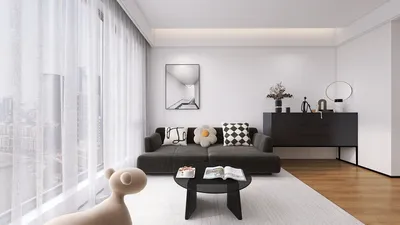


I once painted a client's dining table in a striking charcoal color, only to realize that the chairs were a warm oak, resulting in a look reminiscent of a thrift-store band photo during the photo shoot. This small mishap taught me the importance of testing color tones in context and considering how a painted wood dining table interacts with the overall room design. If you're redesigning a compact dining nook, utilizing a painted table can significantly elevate the ambiance without straining your budget or space constraints.
Small areas can ignite vast creativity. Throughout my experience, I’ve successfully transformed tight corners into inviting gathering spaces using paint, finishes, and clever layout adjustments. Here, I'll share five practical design inspirations that I apply in real projects, along with candid notes on trade-offs and cost-effective strategies. To visualize finishes and scale effectively, I frequently begin with realistic 3D renderings, avoiding unwelcome surprises later.
1. Chalky Pastels for an Airy Vintage Feel
Using a chalky pastel—such as soft mint, delicate blush, or powder blue—can instantly brighten up a small dining area and beautifully complement raw wood chairs or rattan accents. This finish successfully conceals minor surface imperfections and imparts a charming, aged aesthetic; however, keep in mind that it may require frequent touch-ups or a durable clear coat if the table is subjected to heavy use.
save pin
2. Two-Tone Design: Painted Top with a Natural Base
Painting just the tabletop (or opting for the opposite approach) creates visual intrigue without overwhelming your space. I particularly favor a white or cream tabletop paired with stained legs, which offers longevity and ease of maintenance. While masking the seam during painting can pose a challenge, employing a thin inlay or subtle trim can effectively disguise it, making it appear custom-built.
save pin
3. High-Gloss Color for Modern Minimalism
Choosing high-gloss paint in a vibrant hue can make a small table feel intentional and modern, reflecting light and creating the illusion of a larger space. Although it tends to reveal scratches more easily and demands meticulous preparation, the stunning result is worth the effort, especially in a contemporary apartment or an open-plan kitchen-dining area.
save pin
4. Grain-Enhancing Stain with a Painted Apron
If you appreciate the beauty of wood grain but desire color, consider keeping the tabletop stained to showcase its natural pattern while painting the apron or skirt in a coordinating shade. This blended approach beautifully balances warmth with a contemporary feel; however, it may require additional labor and careful finish coordination, lending a high-end appearance in compact areas.
When incorporating this idea into a small kitchen-adjacent dining space, I often draw inspiration from cabinetry designs so the table feels like a cohesive part of the environment—this is a clever technique I adapt from effective kitchen layouts to ensure a unified look.
save pin
5. Stripes or Stenciling for Added Character
Introducing a simple stripe, geometric stencil, or painted edge can instantly inject personality into a plain table without altering its footprint. This approach is a cost-effective way to rejuvenate a thrifted piece; however, be cautious with busy patterns, as they can feel cramped in very small areas. I often sketch the design in a scaled format of 3:1 to ensure that it complements curtains and cushions well—occasionally, a subtle stencil proves to be more elegant than an all-over color.
If you want to test various layouts or assess sightlines before committing to paint, utilizing space-saving floor plans has saved me numerous trips rearranging furniture in tight quarters.
save pin
FAQ
For dining tables, durable enamel or water-based acrylic paint with a satin or semi-gloss finish generally performs best as they resist stains and are easy to clean. For a more vintage matte look, consider using chalk paint, but be sure to seal it with a clear protective topcoat for longevity.
Begin by cleaning, lightly sanding to eliminate gloss, and applying a high-quality primer designed for wood surfaces. It might be tempting to skip this step, but omitting primer can lead to poor adherence and uneven coloring, which is why I always include it, even for small DIY tasks.
Absolutely—if you select a durable paint and finish it with a protective sealant like polyurethane or a water-based varnish. Expect to see some wear in high-traffic households, but repairs are generally more straightforward than replacing the entire table.
Light, cool tones—such as soft gray, gentle blue, or warm white—reflect natural light, helping the room feel more spacious. High-gloss finishes likewise bounce light but may showcase imperfections more readily.
Both methods are effective; painting only accents retains the warmth of natural wood and is easier to reverse. Conversely, a complete table paint job provides a more dramatic transformation but represents a more significant commitment if your tastes evolve.
Utilize placemats, trivets, and coasters, and apply a heat-resistant clear coat over the paint where feasible. Regular upkeep—such as promptly cleaning spills—greatly aids in preventing stains and rings.
Certainly. Low-VOC or zero-VOC paints minimize indoor pollution and are safer for homes with occupants. For further information on VOC impacts, refer to the U.S. EPA guidance regarding volatile organic compounds in indoor air: https://www.epa.gov/indoor-air-quality-iaq/volatile-organic-compounds-impact-indoor-air-quality.
Choose a color drawn from your textiles or artwork and perform a small swatch test in the actual space at various times throughout the day. Additionally, I recommend trying finishes on scrap wood to assess texture and see how they wear before committing to the complete project.
Discover the ease of home design with Homestyler! This user-friendly platform features a powerful online design tool, stunning 3D renderings, and a wealth of inspiring design projects. Plus, dive into DIY video tutorials to transform your space effortlessly. Start creating your dream home today!
Design jetzt kostenlos
































