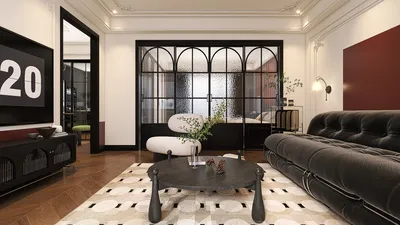


As a designer attuned to the latest interior design trends, I've noticed a resurgence of warm, vibrant colors — with orange taking the lead in bathroom spaces that prioritize personality. Small areas often inspire immense creativity; I've transformed narrow powder rooms into striking showcases using strategically placed splashes of orange, and I’m eager to show you how you can achieve similar results. For initial planning, I frequently utilize 3D layout visualization, such as Homestyler, to experiment with color harmony before purchasing any paint.
Bold Orange Accent Wall
My Experience: I once utilized a single orange accent wall in a rented bathroom, dramatically shifting the atmosphere without overcrowding the area. The key was to maintain a neutral palette with soft textures throughout the rest of the space.
Advantages: An orange bathroom accent wall immediately attracts attention and pairs beautifully with neutral tiles and chrome fixtures; it stands out as one of the most effective ideas for enhancing small bathrooms with intentionality. An expertly executed accent wall can also be achieved on a budget, adding significant visual interest.
Disadvantages: Opting for an overly saturated tone can result in an aggressive look under artificial lighting — I learned this through a rather embarrassing late-night repainting session. It's crucial to test various shades at different times of day.
Advice / Examples / Cost: It's wise to apply 12"x12" paint samples directly onto the wall and observe them in both daylight and nighttime conditions. For renters, peel-and-stick wallpaper featuring a muted orange design offers a budget-friendly and reversible alternative to a full repainting; expect typical costs to range from $30 to $150 for samples and peel-and-stick options, while repainting a small wall can cost between $60 and $200 for materials.
Warm Wood and Orange Combination
My Experience: I enjoy combining orange accents with warm wood vanities — this palette has featured prominently in numerous small bathroom remodels, enhancing coziness without adding clutter. The wood tones ground the vividness of the orange in a welcoming manner.
Benefits: The fusion of wood with orange generates a soothing, modern-natural aesthetic and is considered one of the top ideas for orange bathroom accents when aiming for warmth. Wood cabinetry and shelving are also more resistant to visible wear than bright white surfaces in high-traffic family baths.
Drawbacks: Natural wood must be safeguarded against humidity in bathrooms; I’ve had to re-seal a vanity after a ventilation mishap. If not careful with finish choices, humidity can diminish the wood's warm appearance over time.
Advice / Examples / Cost: Opt for engineered wood or solid wood with appropriate sealing, and select finishes certified for bathroom use. Incorporating a few orange textiles (like towels and mats) can tie the entire scheme together affordably. Budget-wise, sealed vanities may cost between $400 and $2,000 based on materials, while textiles run under $100.
Orange Tiles with Fun Patterns
My Experience: In a recent project, I opted for small patterned orange tiles as a backsplash behind the sink. The designs added character while the glossy surface simplified cleaning, surprising and delighting guests with this detail.
Advantages: Orange tile patterns inject texture and are a favored option for injecting personality into a compact layout. Tiles are durable and water-resistant, allowing even modestly priced bathrooms to achieve a boutique hotel ambiance when used strategically.
Disadvantages: Using patterned tiles excessively can create a chaotic appearance; I recommend confining patterns to a specific band or backsplash area. Installation can be prolonged and costly if intricate mosaics are chosen.
Advice / Examples / Cost: Use patterned tiles on a 2–3 foot high splash zone or a shower niche to minimize costs and visual heaviness. Expect mid-range installations to be priced at $20–$40 per square foot for tiles and $8–$15 per square foot for labor, with mosaics pushing these numbers higher.
Subtle Orange Accessories for a Soft Touch
My Experience: When clients express concern that orange may be too striking, I propose starting with accessories: soap dispensers, towels, and artwork. I once revitalized an uninspired guest bathroom with merely three orange accents and a small potted plant.
Advantages: Accessories are among the most budget-friendly ideas for orange bathroom decor and allow experimentation with color trends without commitment. Changing textiles seasonally keeps the look fresh and is ideal for renters or tight budgets.
Disadvantages: Accessories alone won’t alter the structure; they might seem disconnected without a cohesive underlying design. I’ve encountered clients who amassed numerous accessories, only to discover the grout and tile undertones didn't harmonize well.
Advice / Examples / Cost: Begin with towels, a bath mat, and one piece of complementary wall art in various orange shades. Accessorizing typically costs under $200, making it the least risky approach. To ensure harmony within the space, sample colors near the sink before purchasing.
Orange Glass or High-Gloss Surfaces for Light and Depth
My Experience: Incorporating orange-tinted glass splashbacks or high-gloss cabinetry marked a pivotal moment in the design of a compact ensuite. The reflectivity of the surface introduced light to a dim corner, creating an airy feel.
Benefits: A glass splashback or a high-gloss finish imparts a luminous quality to an orange-themed bathroom, presenting one of the best ideas for orange accents when reflection and easy maintenance are needed. It’s stylish, modern, and wipes down effortlessly after usage.
Drawbacks: Glossy surfaces can reveal water spots and fingerprints, which may be an inconvenience if you prefer a matte finish. Additionally, excessive use of reflective orange could become overwhelming, so it's advisable to limit such finishes to one or two surfaces.
Advice / Examples / Cost: Implement a single orange glass panel behind the vanity or a glossy cabinet door. If you're curious about how light interacts with glossy orange finishes, consider using tools like Homestyler to create a small mockup or rendering before making a commitment. A glass splashback installation typically ranges from $150 to $400, while glossy cabinet doors vary greatly in cost based on the material.
Practical Note: If you're uncertain how a striking orange surface will appear under artificial lighting, conducting tests with small samples or renderings is crucial — employing AI home design mockups can facilitate quick visualizations and help you avoid expensive mistakes.
Summary
Small bathrooms invite innovation rather than limitation — incorporating orange into your bathroom decor can elevate a confined space into a warm, contemporary statement when approached thoughtfully. Whether opting for an accent wall, patterned tiles, warm wood accents, selective accessories, or glossy finishes, the essentials are balance, lighting assessments, and realistic mockups. With warm hues gaining popularity according to design trend reports, now is the ideal time to experiment with orange in bathrooms (refer to Sherwin-Williams color insights: https://www.sherwin-williams.com).
Which orange idea are you most interested in trying out in your bathroom?
FAQs
Q1: Is using orange in bathroom decor a wise choice for small bathrooms?
A: Absolutely! When used as accents or in limited areas, orange can infuse warmth and depth without compromising space. Make sure to keep a neutral palette elsewhere and test samples in the room's specific lighting.
Q2: What paint finish is best for orange bathroom walls?
A: Semi-gloss or satin finishes are optimal for bathrooms, as they resist moisture and are easy to clean; a satin orange wall is more forgiving and shows fewer streaks than full gloss.
Q3: Are orange tiles difficult to coordinate with fixtures?
A: Not if you select a primary undertone (warm or cool) and align metals and textiles accordingly. Brushed brass and warm wooden tones work well with earthy oranges.
Q4: Can orange create a perception of a smaller bathroom?
A: Bright, saturated oranges can feel enclosing in a small space; however, when used sparingly — like an accent wall or splashback — they can add depth and serve as a focal point instead of making the space appear smaller.
Q5: How can I prevent orange surfaces from fading in a bathroom?
A: Use high-quality paints formulated for fade resistance and ensure proper ventilation. For long-lasting color, choose materials and sealants specifically rated for damp areas.
Q6: What are some low-cost methods to introduce orange into my bathroom?
A: Start with towels, floor mats, artwork, and soap dispensers; these are affordable and easily replaceable. Accessories provide a quick mood shift without lasting commitment.
Q7: Are there design tools available to preview orange bathroom designs?
A: Certainly! Many designers leverage digital mockups and renderings to visualize color transitions and reflections; tools like Homestyler can expedite decisions and lower the risk of repainting.
Q8: Is there professional advice I can consult regarding colors and layouts?
A: For recommended practices on kitchen and bathroom designs, resources like the National Kitchen & Bath Association (NKBA) provide valuable standards and design guidance (https://nkba.org).
Discover your design potential with Homestyler! This user-friendly platform offers a fantastic online design tool, stunning 3D renderings, and an array of inspiring design projects. Plus, with DIY video tutorials, you'll have everything you need to transform your space effortlessly. Start creating your dream home today!
Progetta ora GRATIS
































