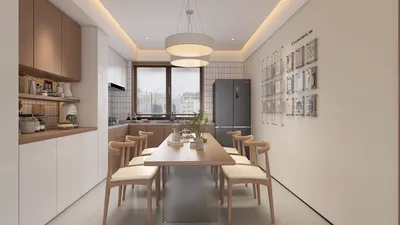


I once had a client adamant about placing their dining table directly in front of the television, and for an entire week, I endeavored to persuade them that it’s quite difficult to showcase a mashed potato spill on Instagram. In small rooms, creativity becomes indispensable, and that’s where my preferred “open-plan hack” comes in handy: subtle zoning that feels deliberate rather than cramped. In this article, I’ll share five effective strategies for distinguishing living and dining areas that I apply in real-life projects to ensure spaces feel both distinct and cohesive.
1. Low-profile bookshelf divider
An open, low-profile bookshelf works wonders by maintaining sight lines while allowing light to flow through. In one studio project, I utilized a 36" tall unit that provided both storage and a visual boundary, permitting the space to feel open. The downside of using bookshelves is that they can gather dust and require visual balance on both sides; however, quickly styling both facets resolves that issue effectively.
save pin
2. Layering rugs and lighting to define zones
Rugs and pendant lighting serve as my most cost-effective staging tools. A rug can anchor the dining set, while another rug or a bare floor clearly indicates the living area, with distinct lighting guiding your brain on where each space begins. This approach is budget-friendly and versatile; however, be cautious with sizes so the rugs don’t appear like islands adrift in an ocean of floor space.
save pin
3. Sliding or translucent dividers for flexible privacy
For occasional separation without the permanence of walls, consider using sliding glass panels, shoji screens, or frosted acrylic as dividers. In one project, I installed frosted panels that glide into a ceiling track, ensuring family dinners enjoyed privacy while still receiving natural light. To plan such layouts effectively, I often start by sketching a simple design; creating a quick model of the dining nook assists in testing clearances and flow before purchasing any hardware.
save pin
4. Multifunctional furniture as a space divider
A console table placed behind a sofa can serve both as a divider and a stylish wine bar. In a past project, I replaced a bulky sideboard with a sleek console featuring drawers, resulting in a clear passageway and providing additional storage for linens. While this trade-off offers less surface area than a traditional sideboard, the visual lightness is a definite advantage in compact spaces.
save pin
5. Visual continuity through color, flooring, and scaled furniture
Maintaining consistent flooring and a cohesive color palette allows for smooth transitions between zones, giving the impression of a unified home rather than two clashing areas. I prefer using shared accent colors across cushions and runners to connect both spaces seamlessly. If you find it challenging, creating a simple 3D room mockup with Homestyler can help visualize how different tones interact together. This strategy is low-risk but requires discipline to prevent the area from feeling monotonous.
save pin
FAQ
Q1: What’s the quickest way to separate a living and dining area? A1: Utilize a rug and pendant light for the dining section, alongside a low shelf or console placed behind the sofa. This method is speedy, cost-effective, and easily reversible.
Q2: Do room dividers make small spaces feel more confined? A2: Tall, solid dividers might, but open shelving or translucent dividers maintain light and depth. Select pieces appropriately scaled to the room to avoid a claustrophobic ambiance.
Q3: How much clearance is necessary between dining chairs and a sofa? A3: Aim for a minimum of 30–36 inches for comfortable movement; the National Kitchen & Bath Association suggests similar clearances for kitchen and work areas (source: National Kitchen & Bath Association, https://nkba.org).
Q4: Are sliding panels usually expensive? A4: Costs differ—ready-made screens are budget-friendly whereas custom glazed sliding panels can be pricy. Consider DIY tracks or semi-permanent solutions to alleviate expenses.
Q5: Can color function alone to separate zones? A5: Absolutely, but pairing color with texture and lighting enhances the effect. An accent wall painted to match cushions or rugs can unify a space without needing physical barriers.
Q6: What’s a low-budget divider that still looks appealing? A6: A tall plant shelf or a series of planters on a slender console provides greenery and separation without breaking the bank. It adds vibrancy and doubles as storage if you choose the right setup.
Q7: How do I determine the right rug sizes for zoning? A7: For dining, the rug should extend approximately 24 inches beyond the backs of the chairs when pulled out. In living areas, ensure the front legs of seating rest on the rug to anchor the furniture arrangement.
Q8: Should I consult a professional for layout planning? A8: In tight or awkward spaces, a brief session with a designer can save time and avoid costly errors. If you’d prefer to experiment first, using digital planning or simple mockups like Homestyler can help clarify options before you make any purchases.
save pin
Homestyler is your go-to online platform for effortless home design. With its user-friendly design tool, stunning 3D rendering, and a wealth of inspiring design projects and DIY video tutorials, transforming your space has never been easier. Unleash your creativity today!
立即免费设计
































