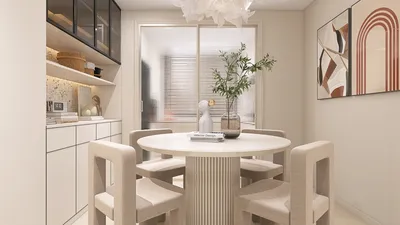


A client once requested a unique 9 a.m. "silent disco" for their team that enjoys spreadsheets but dislikes noise. This unusual request turned out to be one of the most humorous and memorable mornings I have ever facilitated. The limitations of that event challenged me to think creatively, leading to short activities, efficient movement, and innovative furniture arrangements. Indeed, small spaces can inspire significant ideas! In this article, I will present five effective office gathering ideas I've successfully implemented in real projects, complete with useful tips and potential challenges to consider. For teams needing adaptability and ease of movement, a flexible seating arrangement can facilitate seamless transitions through the space, especially when using tools like Homestyler to visualize the layout.
1. Micro-Breakout Stations
I once organized three mini-stations (brainstorm, relax, quick snacks) in a 30 sqm office, with participants rotating every 12 minutes. This approach kept the energy levels high, as variety was achieved without long commitments. However, it is crucial to have clear signs and a host to maintain the timing. Budget Tip: Utilize clipboards and inexpensive tabletop signs; they can prove more effective than expected.
save pin
2. Themed Desk-Swap Hour
Select a fun theme—like vintage, plant-lover, or color-coded—and have colleagues switch desks for an hour. This low-cost idea fosters empathy for different work processes, although it might be uncomfortable for particularly private employees; providing opt-out options helps. I've found that small incentives, such as a sticker or coffee coupon, can significantly enhance participation.
save pin
3. Collaborative Mini-Workshops
Conduct a peer-led session lasting 30–45 minutes, such as skill-sharing, a brief design sprint, or a series of lightning talks. These sessions enrich learning and can easily scale, but they necessitate a clear event flow to avoid conflicts with snacks and seating arrangements—consider drafting an event flow map for efficient spatial use. Once, I transformed a narrow corridor into a runway for demonstrations; it required careful planning, yet the team still reminisces about it.
save pin
4. Game Corners with Flexible Furniture
Establishing pop-up game corners with table-top board games or quick team challenges is effective when you have modular furniture like chairs or stools. The advantages include an instant uplift in mood and a straightforward setup. However, noise can be an issue and might distract from nearby tasks, so schedule these activities during quieter periods. If you're working with a tight budget, DIY scoreboards and borrowed games will suffice.
save pin
5. After-Hours Cozy Mixer
An intimate after-work gathering featuring soft lighting, curated playlists, and comfortable cushions can transform the office into a cozy living room for an evening. This setup is ideal for fostering deeper conversations and community bonding, although it's important to check building regulations regarding noise and hours. For very compact spaces, maximizing each square meter with a neat party layout can yield fantastic results.
save pin
FAQ
Q1: What are easy themes for an office gathering?
A1: Theme ideas such as "Taco Tuesday," "Retro Office," or "Plant Swap" are simple yet effective; they are economical, easily communicated, and effortlessly guide your choices for food and decorations.
Q2: How long should an office gathering last?
A2: For smaller offices, a duration of 45–90 minutes is optimal—long enough for interaction but brief enough to prevent fatigue and scheduling conflicts.
Q3: How do I manage noise during games or mixers?
A3: Schedule louder activities for mid-afternoon or after hours, and implement soft barriers like plants or fabric screens to mitigate sound levels. A designated quiet zone is also recommended for those who need lower sensory stimulation.
Q4: Any tips for limited budgets?
A4: Emphasize creating atmosphere over spending: effective lighting, curated music playlists, and homemade signage can have a substantial impact for minimal expense. Potluck meals and skill-sharing sessions can also decrease costs while enhancing engagement.
Q5: How do I ensure everyone feels included?
A5: Provide a mix of activity types (such as quiet, social, and hands-on) and clear options for opting out. Gathering ideas in advance allows your colleagues to see their contributions reflected in the event.
Q6: What about safety and hygiene at gatherings?
A6: Make hand sanitizer readily available, encourage individuals to stay home if feeling unwell, and avoid shared utensils if illness is a concern. For more comprehensive guidance on event safety and health-related regulations, refer to the CDC recommendations: https://www.cdc.gov/coronavirus/2019-ncov/community/large-events/index.html.
Q7: Can I organize gatherings in very small offices?
A7: Absolutely—concentrate on compact events with rotating participants and flexible furniture; shorter, repeated sessions frequently outperform one larger gathering in limited spaces.
Q8: How do I measure success?
A8: Utilize quick post-event surveys or informal feedback to assess mood, participation levels, and suggestions; tracking recurring attendance can serve as a straightforward metric of success.
save pin
Discover your dream space with Homestyler! This user-friendly online design platform offers an intuitive design tool, stunning 3D renderings, and a vast library of inspiring design projects. Plus, with DIY video tutorials, you can effortlessly create and visualize your home design ideas. Transform your space today!
今すぐ无料でデザイン
































