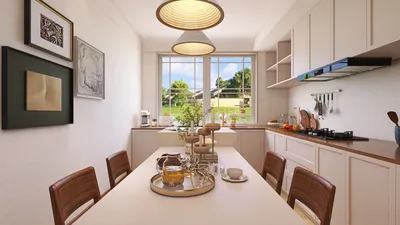


In the last ten years of interior design, a noticeable and consistent trend has emerged — the enduring appeal of deep, rich tones like navy blue. This year, more homeowners are embracing bold color schemes, particularly for creating elegant yet cozy living rooms. As I've often stated, small spaces can inspire significant creativity, and navy blue serves as an excellent demonstration of how a vibrant shade can completely rejuvenate a room. In this guide, I will provide you with ten creative navy blue living room ideas inspired by my projects and informed by expert advice, ensuring you discover a style that beautifully complements your space.
1. Navy Accent Wall with Warm Lighting
My Insight: In a city apartment project, I utilized a single navy accent wall to anchor the living area, complemented by warm, layered lighting. The contrast between the rich color and soft illumination created a cozy yet stylish ambiance.
Advantages: This technique adds theatrical flair without overwhelming the entire room. Architectural Digest suggests that accent walls can enhance the perceived depth in smaller living spaces.
Disadvantages: Improper lighting can make navy appear flat or excessively dark in dim conditions.
Advice: Incorporate dimmable sconces or strip lighting to bring out the color's depth.
2. Velvet Navy Sofa as a Statement Piece
My Insight: I once procured a mid-century modern velvet navy sofa for a bachelor client — it substantially upgraded the room's atmosphere and became a focal point of conversation.
Advantages: The texture of velvet captures light, allowing navy to showcase various shades throughout the day. It harmonizes beautifully with metallic or wooden accents for an upscale appearance.
Disadvantages: Velvet can be more challenging to clean, making it less suitable for homes with children or pets.
Complementing this with warm walnut shelving enhances the richness and cohesiveness of the space.
3. Mixed Pattern Navy Textiles
My Insight: I enjoy layering cushions and throws in diverse shades and patterns of blue — ranging from indigo geometrics to soft navy linen. It’s an affordable way to keep the space fresh seasonally.
Advantages: This method adds visual interest and helps to break up large areas of solid color. Combining patterns makes navy feel more lively and less formal.
Disadvantages: Without a cohesive anchor, an abundance of patterns can appear chaotic.
Advice: Limit to 2-3 shades of blue and balance with neutral tones for cohesiveness.
4. Navy & Brass Accents
My Insight: Using brass hardware against navy cabinetry or a media console introduces an appealing warmth; I learned this technique during a renovation aimed at achieving elegance without excessive spending.
Advantages: This combination radiates timeless elegance and fits well in both contemporary and classic styles.
Disadvantages: Brass requires regular polishing to maintain its shine.
Advice: Brushed brass tends to age more gracefully and requires less upkeep.
5. Coastal-Inspired Navy Palette
My Insight: For a client’s quaint seaside condo, I implemented navy walls, white slipcovered furniture, and wicker elements to establish a breezy, coastal ambiance.
Advantages: This combination fosters a tranquil, vacation-like feel. Pairing navy with white amplifies brightness.
Disadvantages: Including too many nautical elements can lead to an overly themed aesthetic.
Incorporating woven textures alongside navy tones softens the palette while maintaining its coastal essence.
6. Moody Monochrome Layers
My Insight: Monochrome can be exciting — I once combined navy walls, midnight blue curtains, and indigo rugs for a luxurious, enveloping lounge.
Advantages: This style creates an opulent, immersive atmosphere. Monochromatic schemes can simplify furniture and decor choices.
Disadvantages: A lack of varied textures can leave the space feeling monotone.
Advice: Utilize various fabric finishes (silk, velvet, linen) to introduce dimension.
7. Artwork Against Navy Backdrop
My Insight: A deep navy wall can enhance the vibrancy of artwork, similar to a gallery setting. I found that a photography collection appeared significantly more striking after repainting the background in one loft project.
Advantages: Navy serves as a sophisticated backdrop, allowing colors in art to shine brighter.
Disadvantages: Additional lighting may be necessary to properly illuminate the artwork.
Advice: Consider installing LED picture lights for evening display.
8. Navy Built-In Shelving
My Insight: I designed full wall-to-wall navy built-ins for a reading room, merging functionality with style.
Advantages: Built-ins maximize space and offer a streamlined appearance. Dark shelving is less likely to show dust compared to lighter options.
Disadvantages: Permanent fixtures limit flexibility for altering the room’s style down the line.
Pairing built-in millwork with accent lighting can transform practical storage into a stylish design feature.
9. Area Rugs with Navy Detailing
My Insight: I frequently select rugs that incorporate navy into their designs, seamlessly uniting the overall palette without needing to repaint a wall.
Advantages: Easy to update as your style evolves, while adding warmth and comfort.
Disadvantages: Rugs can require considerable maintenance in busy living rooms.
Advice: Opt for low-pile or patterned designs to conceal wear and tear.
10. Navy Curtains for Height
My Insight: Installing full-length navy drapery high above the window frame can create an illusion of taller ceilings — a technique I've employed in flats with lower ceilings.
Advantages: Enhances vertical lines and visually elongates the space.
Disadvantages: Heavier fabrics might obstruct too much natural light unless drawn back.
Advice: Select lined yet lightweight navy materials for a balance between flow and opacity.
Conclusion
Ultimately, designing a navy blue living room involves being clever, not just bold. This hue provides limitless possibilities to experiment with mood, contrast, and texture — and as highlighted by Elle Decor, darker shades can make even compact spaces appear thoughtfully curated. Which of these ten ideas are you eager to explore in your own home?
FAQ
1. Is navy blue suitable for small living rooms?
Absolutely — when paired with appropriate lighting and lighter accents, navy can create a cozy, intentional environment instead of feeling cramped.
2. What colors complement navy blue in a living room?
White, gray, brass, and natural wood are classic companions. According to Sherwin-Williams, warm metallics can effectively balance navy's cool depth.
3. Does navy blue darken a room?
It can, especially in low-light environments. Using mirrors along with layered lighting can help mitigate this effect.
4. Is navy a contemporary color choice?
Yes — navy seamlessly fits into modern, traditional, and transitional designs due to its versatility.
5. How do I maintain a navy velvet sofa?
Regularly vacuum with a soft brush attachment; for spills, adhere to the manufacturer's cleaning guidelines and avoid excess moisture.
6. Can navy walls boost my home's value?
While color alone may not increase value, Zillow research indicates that well-styled rooms with bold, thoughtful colors can enhance buyer perceptions.
7. Should I also paint the ceiling navy?
Only if you're aiming for a dramatic cocoon effect; otherwise, keeping ceilings lighter offers better visual balance.
8. Where can I seek inspiration for navy living rooms?
Explore design showcases or utilize tools like the Homestyler AI-assisted interior mood board generator to visualize ideas and experiment with color palettes before making any decisions.
Homestyler is your go-to online platform for home design! With its easy-to-use design tool, stunning 3D renderings, and a wealth of DIY video tutorials, you can effortlessly transform your ideas into reality. Start creating your dream space today!
تصميم الآن مجانا
































