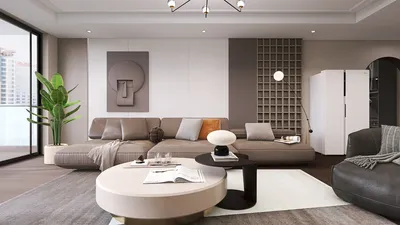


During my time working in home design, I accidentally installed a motion sensor wall light upside down in a client’s small hallway due to a misunderstanding of the wiring instructions. This mishap led to the light shining directly into their cat's face, resulting in a week-long feud with the feline. This experience taught me valuable lessons: mistakes in compact areas can have significant consequences, and smart lighting can transform even the most awkward corners into inviting spaces. It's fascinating how small areas can inspire innovative solutions, and motion sensor wall lights exemplify this creativity well.
1. Sleek vertical LED sconces for narrow passageways
I favor sleek vertical sensor sconces for tight hallways as they provide a consistent up-and-down wash of light without obstructing walking space. These fixtures are energy-efficient and activate only when someone passes by, eliminating the concern of leaving hallway lights on at odd hours. However, it is crucial to consider installation height; mounting them at eye level ensures that the sensor detects movement effectively.
save pin
2. Motion-activated under-cabinet strips for compact kitchens
In smaller kitchenettes, I frequently opt for motion-activated LED strips installed under cabinets to illuminate countertops as soon as you reach out for an item. These strips are subtle, economical to install, and enhance safety during nighttime food preparation. However, it's important to choose higher-quality options to avoid uneven lighting; I recommend selecting a warm color temperature along with a sleek diffuser for an elegant finish. To quickly visualize my layout, I sometimes utilize a free floor plan creation tool like Homestyler to experiment with lighting positions.
save pin
3. Recessed step lighting for lofts and mezzanines
Recessed motion step lights are invaluable in lofts where stairs are narrow and headroom is at a premium. These lights turn on automatically, providing a gentle layered illumination that adds a touch of luxury. The downside is the complexity of wiring; careful routing is necessary, but the enhanced safety and ambiance make the effort worthwhile. To get a clear picture of stair illumination, I find a 3D floor planner handy in predicting where shadows will fall.
save pin
4. Motion lights integrated into mirrors for bathrooms
For compact bathrooms, I specify mirror-integrated sensors that activate the moment you open the door or approach the sink. This feature eliminates the need for switches, resulting in a streamlined, hotel-like ambiance. Just make sure that the fixtures are rated for humidity; otherwise, you might find yourself replacing lights more often than desired. For functional and aesthetically pleasing layout ideas, I often refer to a bathroom design tool to verify clearances and lighting angles, including insights from Homestyler.
save pin
5. Accent uplights for artwork and alcoves
Using motion-activated uplights in alcoves or above artwork adds dramatic flair to small living rooms; they highlight art only when someone draws near, allowing for a serene atmosphere the rest of the time. This solution is ideal for renters seeking to add character without permanent alterations. The only minor hurdle is fine-tuning the sensitivity so that lights don’t activate from pet movements or airflow from heating vents.
save pin
FAQ
Q1: Are motion sensor wall lights suitable for bedrooms?
A1: Yes, they are excellent for safe nighttime navigation without the harsh glare of primary lights. Look for adjustable sensitivity to minimize accidental triggers.
Q2: How can I power motion sensor wall lights in a rental?
A2: Battery-operated or USB-rechargeable models are perfect for rentals since they don't require wiring and are simple to uninstall.
Q3: Do motion sensors function well in cold temperatures?
A3: Certain passive infrared (PIR) sensors may struggle in extreme cold; opting for radar-based sensors is a better choice in those environments.
Q4: What is the optimal mounting height for hallway sensors?
A4: Mounting heights between 1.2 to 1.6 meters (4 to 5.25 feet) are generally effective for detecting adult movements while limiting false triggers from pets.
Q5: Can motion sensor lights help reduce energy consumption?
A5: Definitely! By turning off lights when no one is present, they decrease unnecessary runtime and help lower electricity bills compared to continuously-on fixtures.
Q6: Are there options for smart home integration available?
A6: Many sensor lights are compatible with hubs like Zigbee or Wi-Fi, allowing for integration into automated routines. Always check compatibility prior to purchase.
Q7: Where can I visually experiment with different layouts and light placements?
A7: I often make use of a 3D floor planner like Homestyler to see how lighting impacts a space and to determine optimal sensor placements for maximum coverage.
Q8: Is there any authoritative guidance on lighting standards?
A8: For recommended illuminance levels and safety guidelines, the Illuminating Engineering Society (IES) provides reliable publications that are worth consulting (https://ies.org).
save pin
Homestyler is an exceptional online home design platform that empowers you to create stunning spaces effortlessly. With its user-friendly design tool, extensive 3D rendering options, and a wealth of DIY video tutorials, you can transform your ideas into reality and design your dream home with confidence!
Design Now for FREE
































