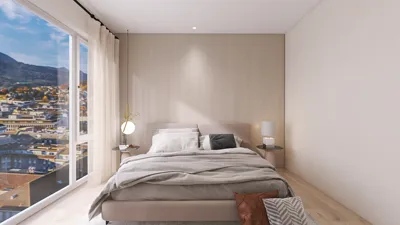


In contemporary interior design, one emerging trend that excites me is the art of mismatched furniture. After over a decade dedicated to designing compact homes and apartments, I have discovered that mixing various styles, textures, and periods can actually enhance a small space, making it feel curated instead of cluttered. Small living areas often inspire grander ideas, so today I’ll share 10 inventive living room concepts featuring mismatched furniture, interwoven with my experiences and expert advice, all while utilizing tools like Homestyler for visualization.
1. Combining Vintage with Modern Elements
In my experience, pairing a sleek modern sofa with an antique wooden coffee table inherited from my grandmother creates an instantly eclectic and welcoming atmosphere. It truly evokes a sense of history while feeling fresh and contemporary—an approach I often explore using Homestyler.
Benefits: This method adds visual richness and unique character, allowing smaller living rooms to appear less staged. Elle Decor points out that mixing eras prevents the space from resembling a standard ‘furniture showroom’.
Drawbacks: If not executed carefully, the outcome can feel chaotic. I once overindulged in patterns and hues, resulting in a space reminiscent of a bustling flea market.
Tip: Maintaining a common design element, such as a wooden finish, can help tie the overall look together.
2. Using Bold Accent Chairs as Centerpieces
I enjoy incorporating vibrant or sculptural chairs that stand out from the sofa; they function as stylish accents within the living room. In a recent project, a striking mustard velvet armchair paired with a grey sectional became the highlight of the space, showcasing how Homestyler can assist in visualizing such contrasts.
Advantages: These statement pieces inject personality into the room and divert attention from spatial limitations.
Disadvantages: They can compete with other prominent pieces, so careful selection is necessary.
I recall a client project that successfully featured vibrant seating options, merging bold colors with a neutral backdrop for a harmonious effect.
3. Contrasting Materials for Enhanced Texture
My approach often involves pairing a leather sofa with a textile lounge chair, or juxtaposing metal side tables against a soft rug. The resulting tactile diversity captures the eye.
Pros: The interplay of textures introduces depth, preventing the space from appearing flat and lifeless.
Cons: Beware of overwhelming the senses—aim for a balanced mixture of textures rather than a chaotic assortment.
For instance, in a recent loft project, I harmonized rattan, marble, and brushed steel seamlessly, demonstrating the versatility of mixing materials with Homestyler.
4. Color Blocking in Furniture Arrangement
I once utilized blocks of complementary colors, such as a teal loveseat paired with burnt orange footstools, resulting in a vibrant yet cohesive ambiance—a technique I often visualize using Homestyler.
Benefits: Color blocking offers a planned appearance to mismatched furniture rather than seeming random.
Drawbacks: This method demands a disciplined approach; utilizing a color wheel can help avoid visual fatigue.
Tip: Stick with 2 to 3 primary colors to preserve harmony throughout the space.
5. Layering Rugs to Connect Styles
I frequently layer a simple jute rug beneath a patterned Persian rug to unify disparate furniture pieces, creating a cohesive look.
Pros: Layering adds warmth and helps bring together contrasting elements effectively.
Cons: In compact areas, be cautious about trip hazards that layers can create.
Budget Tip: Flat-weave rugs are usually less costly than thicker options and more manageable for layering.
6. Eclectic Pairings of Coffee Tables
In one project, I opted for two mismatched side tables over a traditional coffee table, discovering that flexibility and playful asymmetry enhanced the space significantly.
Pros: This arrangement is ideal for small spaces, allowing for easy rearrangement as needed when entertaining guests.
Cons: It may not provide sufficient surface area for larger gatherings.
An approach featuring creative coffee table combinations enabled homeowners to effortlessly modify their layout, an attribute easily captured in Homestyler's design layout.
7. Experimenting with Scale and Proportion
In my designs, I have paired an oversized statement sofa with petite side tables, generating visual intrigue and emphasizing focal points—a method I illustrate with Homestyler.
Benefits: This technique adds drama and a sense of hierarchy to your living area.
Drawbacks: Large pieces can hinder movement in smaller living rooms, so consider your layout carefully.
Tip: Ensure that the flow of movement remains unobstructed for a functional yet stylish space.
8. Cohesion through Repeated Elements
One effective strategy I’ve found is to repeat a specific material, such as brass handles or black metal legs, across mismatched furniture for a more unified appearance.
Benefits: This approach maintains cohesion without sacrificing the individuality of each piece.
Drawbacks: Overdoing this can lead to an overly uniform look, conflicting with the essence of mismatched design.
9. Using Statement Lighting as a Style Anchor
In my work, I often rely on a striking floor lamp to visually connect various furniture styles; imagine it as the ‘parent’ organizing the diverse ‘children’ in the room.
Benefits: A carefully chosen lamp can serve as the common element that brings a mismatched set into harmony.
Drawbacks: Selecting the wrong style or scale of lighting can disrupt the aesthetic, clashing with both modern and vintage furnishings.
From my experience, natural-fiber pendant lights complement industrial-style furniture beautifully, showcasing how Homestyler can aid in these design decisions.
10. Incorporating Personal Artifacts to Bridge Styles
Incorporating personal treasures—such as travel mementos—can distract from mismatched scales or finishes, enriching the narrative of the space.
Benefits: This strategy adds storytelling and emotional dimensions to your room's atmosphere.
Drawbacks: Too many artifacts can lead to a cluttered appearance.
I’ve seen homes where a curated display of personal decor naturally created harmony among diverse furniture styles—a balance that can be effectively visualized with Homestyler.
Conclusion
Ultimately, a living room filled with mismatched furniture is not about disregarding design principles—it’s about creatively bending them to reflect your personal style. Even in compact spaces, deliberate choices regarding color, scale, and texture can work wonders. As noted by Apartment Therapy, true cohesion stems from repetition rather than conformity. Which of these 10 innovative ideas do you plan to explore using tools like Homestyler?
FAQ
Homestyler is your go-to online home design platform! With its user-friendly design tool, stunning 3D renderings, and a wealth of design projects and video tutorials, you can effortlessly create and visualize your dream space. Transform your ideas into reality today!
Design Now for FREE
































