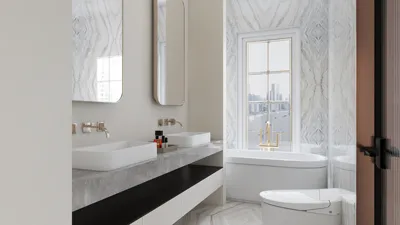


In my experience, I once installed a sizable mirror in a client's narrow dining area, only to discover that it perfectly reflected their cat napping on the table—twice! This incident emphasized that mirrors are not simply tools for reflecting light; they also capture character, blunders, and even the occasional furry companion. Therefore, it's essential to use them mindfully. If you're looking to visualize layouts when planning where to place mirrors, I typically start with a quick sketch or create a digital mockup to evaluate sightlines and reflections effectively. Homestyler can also be a fantastic resource for visualizing these elements in your space.
1) Utilize a Full-Wall Mirror for Immediate Depth
One of my favorite suggestions is to place a floor-to-ceiling mirror on an adjacent short wall in narrow dining rooms. This method instantly makes the area feel much more spacious and is surprisingly affordable if you opt for mirrored panels instead of a single customized piece. However, keep in mind that maintenance is key—large mirrors can accumulate fingerprints and require a sturdy hanging system to ensure safety, so make sure to plan for secure mountings and a straightforward cleaning routine.
save pin
2) Create a Gallery of Small Mirrors as Art
Arranging mirrors in a group, similar to art displays, is both playful and forgiving. Mixing various frames, shapes, and styles adds texture without the commitment of investing in one large piece. The flexibility is a major advantage: you can change the arrangement seasonally; however, beware that it might appear visually overwhelming if the table setting and chandelier are also ornately designed. I often simplify the table decor when going down this path.
save pin
3) Position a Mirror Opposite a Window to Enhance Light
Placing a mirror directly opposite or alongside a window can effectively double the amount of natural light and create a dynamic view. This placement is also ideal for generating an inviting atmosphere in the evening, as candlelight or pendant lights get beautifully reflected, adding a dramatic touch. If you're uncertain about how that reflected light will interact with your overall layout, I sometimes try testing this theory during my kitchen flow evaluations—considering sightlines between the kitchen and dining areas is crucial when these spaces are in close proximity.
save pin
4) Add Mirrored Cabinet Doors to Buffets or Sideboards
Instead of hanging a standard mirror, consider mirrored cabinet doors on a buffet piece; this design approach is both stylish and functional for storage purposes. It lightens the visual weight of a bulky item and mirrors tabletop displays back into the room. Do note that mirrored furniture surfaces are more prone to scratches, so it's wise to use placemats or trays, opting for tempered mirror finishes when available.
save pin
5) Incorporate Layered Reflections with Inset Panels and Ceiling Accents
For a hint of glamour, installing inset mirror panels behind shelving or a mirrored band on the ceiling above the dining table creates subtle depth without crowding the space. This design strategy not only looks luxurious in photographs but also enhances the ambiance in person. From a budget perspective, using mirrored tiles or acrylic panels can provide cost-saving alternatives; though installation might require professional help, you can preview your vision using 3D rendering tools like Homestyler before making a commitment.
save pin
Tips 1:
When positioning mirrors, aim for eye level to accommodate seated height—approximately 36 to 42 inches from the floor to the mirror's center works well in most homes. Employ warm LED lighting to avoid cold reflections, and always think about what the mirror will display: will it reflect a beautiful view, the chandelier, or perhaps a mess you'd prefer to conceal?
save pin
FAQ
1. What mirror size is ideal for my dining room?
I generally recommend a mirror that spans at least two-thirds of the wall's width for a striking effect, or a collection of smaller mirrors if you want more flexibility. It’s crucial to measure sightlines from the table to ensure the reflection enhances the space without being a distraction.
2. How should I position a mirror in relation to windows and lighting?
Configure mirrors to reflect natural light sources or visually appealing focal points, with placement opposite a window being a classic option. Avoid situating mirrors in a way that reflects clutter or direct glare from low-hanging lights.
3. Are mirrored surfaces safe near a dining table?
Yes, as long as the mirror is correctly anchored and employs safety-backed glass or tempered mirrors for furniture pieces. For peace of mind, heavier items should be installed by professionals.
4. How can I clean mirrors without leaving streaks?
Utilize a microfiber cloth along with a vinegar-water mixture or a mild glass cleaner, wiping in a vertical then horizontal motion. Avoid using abrasive pads that could damage the mirror's silvering.
5. Can mirrors really make a small dining room feel larger?
Definitely—mirrors enhance perceived depth and reflect light, effectively creating a sense of expansion in compact areas when placed thoughtfully.
6. What mirror frame style complements modern dining rooms?
I tend to select slim metal frames or frameless edges for modern designs to keep reflections crisp; for traditional or eclectic aesthetics, thicker carved frames may be more suitable.
7. Will mirrors influence dining room acoustics?
Yes, hard reflective surfaces can amplify sound, increasing brightness and reverberation; if echoes arise, balance the ambience with textiles like rugs and curtains to absorb sound.
8. Where can I discover best practices for mirror placement?
Professional organizations such as the American Society of Interior Designers (ASID) provide reliable guidelines on safety and placement techniques (visit https://www.asid.org for more information). Additionally, designers' manuals and manufacturer instructions serve as excellent resources.
save pin
Discover the magic of home design with Homestyler! This user-friendly platform offers an amazing online design tool, stunning 3D renderings, a wealth of design projects, and helpful DIY video tutorials. Transform your space effortlessly and unleash your creativity today!
Design Now for FREE
































