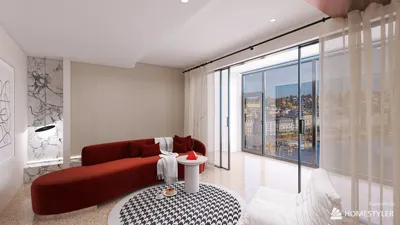


I once confessed to a client that I'd reassembled a broken light bulb because I adored the way its filament illuminated. She chuckled and requested twenty more of them. Such small incidents fuel my passion for tiny, reusable ideas, proving that compact spaces can ignite immense creativity. To spark quick ideas, I often create rapid 3D models to visualize how a group of mini ornaments can transform a corner.
1. Painted hanging bulbs — simple color accents
Gently remove the metal cap, clean the bulb, and apply frosted spray or acrylic paint inside for a soft, translucent hue. These are quick, inexpensive, and ideal for draping over narrow shelves or suspending in bay windows. They brighten up a small area without occupying extra space.
These budget-friendly options are perfect for seasonal changes, although the paint might chip if not fully dried. A clear sealant can help protect them. I once customized an entire string of these to complement a client’s mustard-colored sofa; her cat didn’t mind, but her guests were impressed.
2. Mini terrarium bulbs — micro green touches
Hollowed-out bulbs create charming terrariums filled with moss or tiny succulents: simply add some sand, activated charcoal, and a small plant. They occupy minimal space while adding a touch of living greenery to a compact shelf or windowsill, which is precious in studio apartments.
These plants require very little water, but be cautious with humidity since overly moist conditions can cause root rot. My tip is to use a pipette for watering and place them in a bright kitchen nook to keep upkeep effortless.
save pin
3. Fairy light globes — warm, sparkling decorations
Stuff cooled bulbs with a short section of battery-operated fairy lights along with some glitter or tiny faux snow; cap them and hang them at varying heights above a breakfast bar or sink area. I appreciate this idea as it creates a soft glow without needing rewiring, which is perfect for spaces that lack room for pendant lighting.
They look great on Instagram and are easy to replace, yet keep in mind that the batteries will need to be changed and the seals may loosen — applying a bit of hot glue can help secure the cap. To understand how lighting influences a small area, consider using Homestyler to preview some detailed kitchen layouts for optimal placement ideas.
save pin
4. Glitter globes and resin-filled souvenirs
For a more durable decoration, fill a bulb with clear epoxy resin and embed confetti, dried flowers, or a small photograph — resulting in a globe that looks like a miniature exhibit and boasts incredible durability. These pieces make thoughtful gifts and are perfect for ongoing display on a narrow ledge or grouped in a glass bowl.
Resin provides longevity but needs proper ventilation and patience: ensure you read safety guidelines and allow adequate curing time. I once ruined a batch by hurrying through the process (a rookie mistake), and I learned every time that patience yields beauty.
save pin
5. Night-light bulbs — compact LED lamps
Transform a bulb into a battery-operated mini lamp using a small LED puck or a tea-light LED inside the hollow; mount it on a cork or a tiny wooden base to serve as a bedside accent. It's perfect for small bedrooms or hallways where a full-sized lamp would be excessive.
LED conversions are safe and low-heat, but ensure that batteries are securely in place and change them often. While planning clusters or arrangements within a compact layout, I typically utilize Homestyler to create simple floorplan visualizations, ensuring there’s no overcrowding.
save pin
FAQ
Q1: Are old light bulbs safe to use for DIY projects?
I suggest using non-CFL bulbs (like LED or incandescent) for crafting. CFLs contain trace amounts of mercury, requiring special handling; refer to EPA guidance at https://www.epa.gov/cfl for disposal details.
Q2: How can I safely detach the base from a bulb?
Wear heavy-duty gloves and protective eyewear, carefully score around the metal base, and twist it off using pliers. Work over a towel or box to contain any glass fragments and dispose of sharp pieces properly.
Q3: Which sealant is best to prevent paint from flaking within bulbs?
A clear acrylic spray or a thin coat of polyurethane generally works well for painted interiors. Be sure to test it on a spare bulb first to verify adhesion and finish quality.
Q4: Is it possible to incorporate living plants in bulbs?
Absolutely, small succulents and air plants thrive if you provide drainage materials like sand and activated charcoal. Remember to water sparingly — a pipette can help control the quantity to prevent overwatering.
Q5: Is indoor use of resin safe?
Many resins release fumes during curing, so it's important to work in a well-ventilated area and wear a respirator rated for organic vapors. Always adhere strictly to the manufacturer’s safety instructions to avoid irritation.
Q6: How long do battery fairy light bulbs typically last?
Battery longevity varies based on the type of LED and battery quality; expect several evenings of use for coin cells and longer for setups with AAs. Keep some spare batteries handy to maintain bright displays.
Q7: Any suggestions for presenting these ornaments as gifts?
Wrap them in small padded boxes and include care instructions (avoid dropping, keep dry, change batteries). Personalize the gift with handwritten notes explaining the story behind the bulbs.
Q8: Where can I discover more inspiration for small-space styling?
Seek out compact styling galleries and mockups that display scale and placement ideas; seeing a vignette can help you determine whether to use a cluster or a single accent piece to suit your space.
Homestyler is your go-to online home design platform, perfect for transforming your space. With a user-friendly design tool, stunning 3D renderings, and a wealth of inspiring design projects and DIY video tutorials, you can effortlessly create your dream home. Start designing today!
Design Now for FREE
































