

I once had a client request a life-sized Mickey Mouse head as a decorative piece above their bed—so large we contemplated asking Mickey himself to sign the lease! This amusing request taught me the importance of blending whimsy with practicality and reminded me to think creatively, especially when the design theme is grand. If your goal is to create a joyful yet functional space, experimenting with playful layouts can be beneficial. I often sketch, revise, and test out different furniture arrangements before making any final decisions, utilizing tools like Homestyler for accurate visualizations.
1. Create a Mini Feature Wall with Removable Vinyl Decals
I enjoy incorporating removable vinyl decals to establish a Mickey-themed focal point. This approach delivers significant visual impact at a low cost, making it ideal for renters and children with changing tastes. However, do keep in mind that lower-quality decals might peel, so it's best to choose high-quality adhesive options, or consider painting a subtle silhouette for lasting appeal.
save pin
2. Opt for Color-Blocked Bedding and Curtains
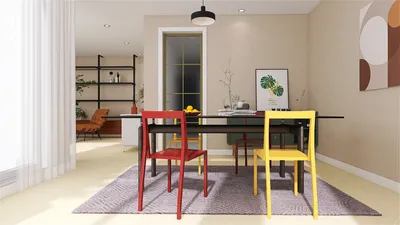
Utilizing bold red, black, and yellow accents can subtly reference the beloved character without transforming the room into a theme park. This method provides an easy, low-risk way to introduce the desired vibe; keeping the remaining decor neutral ensures the space maintains a calm aesthetic. High-quality, machine-washable fabrics for bedding and covers are also a practical recommendation.
save pin
3. Implement Multi-Functional Furniture for Play and Storage
In smaller areas, each piece of furniture must serve multiple purposes: think of a bench with toy storage, a bed with built-in drawers, or a desk that can function as a crafting station. I often create a simple floor plan sketch to confirm movement patterns around the space, saving time and expenses in the long run. The challenge, however, lies in choosing furniture that is both appealing and durable, particularly for kids.
save pin
4. Design a Gallery Wall That Evolves with Your Child
Begin by displaying framed prints, a couple of Mickey illustrations, and some rotating shelf space for awards or plush toys. The key advantage of this layout is its adaptability; you can easily swap out pieces as your child's tastes develop. A pro tip: consider using picture ledges instead of permanent frames to allow for changes without needing to fill holes in the wall.
save pin
5. Create an Interactive Play Corner That Converts to Sleep Space
Set up a cozy reading nook equipped with cushions, a low bookshelf, and soft lighting in a corner. This space serves as a vibrant play area during the day and a calming retreat at night. A trade-off to consider is that cushions require regular washing, and you'll need efficient storage methods to ensure a quick clean-up when needed. For final visualization, I sometimes use realistic 3D previews with tools like Homestyler to help parents envision the space before making any purchases.
save pin
FAQ
Q1: Is Mickey Mouse decor suitable for toddlers?
A1: Definitely—Mickey is a timeless and kid-friendly character. Opt for washable materials and avoid small detachable pieces for children under three to ensure safety.
Q2: How can I make a small bedroom feel less themed?
A2: Striking a balance between themed elements and neutral pieces is key—think solid color rugs, plain linens, and a single focal graphic rather than overwhelming motifs. This approach keeps the room stylish as your child matures.
Q3: What budget should I anticipate for a themed bedroom?
A3: You can revitalize a room for just a few hundred dollars by using decals, textiles, and second-hand furniture. On the other hand, more elaborate makeovers with custom furnishings may run several thousand dollars; it's wise to establish which items are worth investing in for the long term.
Q4: Are officially licensed Mickey products pricier?
A4: Generally, yes, due to branding costs and quality assurance. However, affordable licensed throws and bedding options can be found—take advantage of sales and prioritize durable materials.
Q5: How can I maintain a safe environment for young kids in the room?
A5: Secure furniture to the wall, choose cordless window treatments, and utilize non-toxic paints. The U.S. Consumer Product Safety Commission (CPSC) advises avoiding toys with small components for children under three and following age recommendations available on their website (https://www.cpsc.gov/).
Q6: Is it possible to design a Mickey-themed room in a rental space?
A6: Absolutely—utilize removable decals, peel-and-stick wallpapers, and standalone decor. These choices are renter-friendly and can be easily taken down when moving out.
Q7: What strategies can I use to organize toys in a themed room?
A7: Implement color-coordinated bins and label them with icons. Low open shelving encourages children to access their toys independently, while closed bins help conceal clutter for a tidier space when guests arrive.
Q8: At what age should I involve my child in the design process?
A8: As soon as possible! Kids take pride in participating and making choices, whether it’s selecting a poster, pillow, or shelf placement. I typically conduct a small design session with the family to ensure that both parental priorities and the child’s preferences are considered.
save pin
Homestyler is the ultimate online home design platform for anyone looking to transform their space. With its user-friendly design tool, stunning 3D renderings, and a wealth of inspiring projects and video tutorials, you can effortlessly create your dream home, no matter your experience level!
Design jetzt kostenlos
































