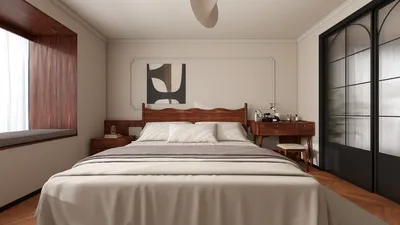


I had a close call with a client who almost walked away when I proposed the idea of a mezzanine bed for their loft; they envisioned a pirate ship instead! After a brainstorming session fueled by coffee and plenty of sketches, we ultimately created a layout that was not only open and inviting but also highly functional. In tight spaces like lofts, thinking vertically opens up a world of creative solutions.
1. Define Spaces with Layers: Create Structure Without Walls
Lofts benefit from their airy feel, yet it's essential to designate distinct areas. I utilize rugs, clusters of lighting, and furniture backs to subtly create separations between living, dining, and sleeping spaces. The positive aspect is maintaining visual continuity and airiness, but you need to be vigilant about keeping clutter at bay since everything is on display.
save pin
2. Maximize Storage with Vertical Solutions and Multi-Functional Furniture
In several of my projects, I've integrated floor-to-ceiling storage and wardrobes that also serve as privacy screens. This approach effectively multiplies your storage space without compromising flow. Though custom solutions can be on the pricier side, modular vertical units often provide a cost-effective alternative for budget-conscious builds.
save pin
3. Utilize Mezzanine Bedrooms and Intelligent Stair Design
When ceiling height permits, I frequently suggest creating a mezzanine for bedrooms, as clients appreciate the added separation. By incorporating drawers into the staircase design or using a combination of sleek steel and wooden treads, we keep the space feeling light and functional. However, I must consider headroom and egress requirements and sometimes revise layouts to steer clear of any low spots.
Utilize a practical room planner to experiment with mezzanine dimensions and circulation patterns before finalizing your design.
save pin
4. Adjustable Partitions: Glass, Curtains, and Sliding Panels
When the need for privacy arises without sacrificing light, glass partitions or sliding panels can be invaluable. I once implemented frosted sliding panels to create a temporary nursery, much to the parents' delight. The only downside is the potential for sound transmission, which can be mitigated by adding soft textiles or acoustic materials.
save pin
5. Lighting Layers and Varying Heights
Effective lighting transforms a loft into a thoughtfully designed space. I recommend layering ambient lights, task lamps, and pendant clusters while hanging pendants at varying heights to enhance the dramatic effect of the double-height areas. This strategy creates visual impact without clutter, although care should be taken for maintenance when fixtures are elevated.
save pin
Tips 1:
Budget Advice: Prioritize structural modifications, such as staircases and mezzanines, first. After solidifying these elements, consider investing in versatile furnishings. I often use a 3D modeling tool like Homestyler to virtually prototype layouts so that clients can navigate the space before any financial commitment.
save pin
FAQ
Q: What is the ideal ceiling height for a mezzanine in a 3-bedroom loft?
A: I suggest a minimum total height of 4.2 meters (14 feet) to ensure comfortable headroom both above and below the mezzanine. Bear in mind that local building regulations may enforce minimums, so it's essential to verify those first.
Q: How can I ensure privacy in three bedrooms within an open loft?
A: A combination of strategic mezzanine placement, sliding partitions, and creatively designed storage walls can help establish private spaces while still allowing light and airflow.
Q: Are loft staircases secure for children and older adults?
A: Yes, with careful design—using solid risers, handrails on both sides, and shallow rise dimensions significantly enhances safety. Alternative layouts should be considered if mobility concerns are prominent.
Q: What type of flooring is most suitable for lofts with varied zones?
A: A consistent flooring material, such as engineered wood or polished concrete, helps visually unify the space, while area rugs can delineate different zones and enhance acoustic comfort.
Q: How can I effectively manage sound in a high-ceilinged loft?
A: Incorporate soft furnishings, acoustic panels, and tall curtains to absorb sound. Strategically placed shelving and bookcases can also aid in diffusing sound reflections.
Q: Is it feasible to legally convert a small loft into three full bedrooms?
A: This depends on local zoning and building codes regarding minimum room dimensions and egress requirements. Consulting with an architect or your local authority is recommended before embarking on any major renovations.
Q: What lighting strategy is most effective for a 3-bedroom loft?
A: A layered lighting approach—comprising ambient, task, and accent lighting, paired with dimmers—gives you control over the mood and functionality of different areas.
Q: Where can I quickly test out loft layouts in 3D before beginning construction?
A: I frequently utilize a 3D floor planner like Homestyler to visualize mezzanine elevations and furniture arrangements, which significantly minimizes rework and aids in conveying design concepts to contractors. Be sure to refer to your local building codes or standards, such as the International Residential Code (IRC), for authoritative guidance on room dimensions and egress requirements.
save pin
Homestyler is your go-to online home design platform! With its user-friendly design tool, stunning 3D renderings, and a wealth of DIY video tutorials, you can effortlessly create and visualize your dream spaces. Transform your home design ideas into reality today!
立即免费设计
































