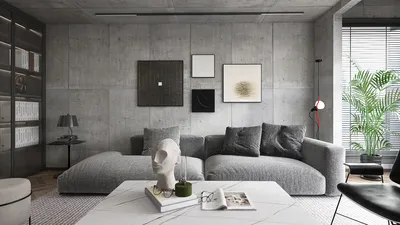


I had a client once who wanted their living room wall to be designed with a Mediterranean-style tiled surface, only to later request a large velvet tapestry to hang over it. This amusing experience taught me the importance of sketching out ambitious wall ideas in 3D before proceeding. Particularly in small spaces, embracing bold design choices can truly pay off: a tiled wall can function like an art piece, enhance texture, and even contribute positively to acoustics when executed properly.
1. Stunning Accent Wall with Large Format Tiles
Installing large format porcelain tiles from floor to ceiling establishes a cohesive and luxurious backdrop, transforming any living room into a modern space. This approach not only reduces grout lines but also simplifies cleaning. However, it does require a higher initial investment and meticulous installation to ensure a flawless finish. In one renovation project I managed, a slate-gray large tile visually enlarged a 20 sqm living room, beautifully complementing warm wood furnishings.
save pin
2. Unique Patterned Ceramic Mosaic Strip
Incorporating a horizontal strip of patterned mosaic tiles behind the sofa introduces character to the room without overwhelming it. This budget-conscious strategy uses less tile and offers a refreshing focal point that's easy to modify over time. A potential pitfall is selecting the right grout color to ensure the design remains timeless. I typically suggest opting for a mid-tone grout and creating mock-ups on-site for the best results.
save pin
3. Herringbone Subway Tile for Added Texture
Arranging classic subway tiles in a herringbone pattern injects a sense of movement and a handcrafted elegance into a contemporary living room. These tiles are durable and subtly reflect light, although the herringbone installation can be labor-intensive. I once recommended this style to a client who appreciated artisanal aesthetics; the outcome was a tactile wall that effortlessly merged coziness with modernity.
save pin
4. Striking Matte Black Slim Tiles for Bold Contrast
Employing slim matte black tiles creates a dramatic backdrop for artwork and floating shelves, adding depth without excessive shine. This striking visual effect is ideal for minimalistic interiors, but do consider that black surfaces can show dust and smudges more noticeably; thus, regular cleaning becomes part of the allure. In a project, I complemented this design with integrated LED strips to accentuate the textures at night.
save pin
5. Charming Mixed-Material Tile & Wood Inlay
Merging tiles with wood inlays results in a richly layered and inviting wall design—think a tile base accented with a narrow wooden strip or recessed nook. This hybrid approach benefits from the durability of tiles while incorporating the warmth of timber. However, it necessitates careful planning for expansion gaps and finishes. In a compact apartment renovation I supervised, this combination improved acoustic quality while appearing custom-crafted.
save pin
Tips 1:
Practical advice: Always request physical samples to evaluate your options, choose a thin-set appropriate for your substrate, and plan for electrical and mounting placements ahead of tiling. To experiment with layouts and visualize tile proportions in a 3D environment, I frequently leverage a room planner for swift idea testing, which can include tools like Homestyler.
save pin
FAQ
Q: Are tiled walls suitable for smaller living areas? A: Absolutely—using larger tiles and minimizing grout can create an illusion of depth, while selectively added accent strips provide interest without overwhelming the space.
Q: Which tile materials are best for living room walls? A: Durable and low-maintenance options include porcelain and ceramic; natural stone adds warmth but typically requires sealing.
Q: How do I select grout color? A: Choose a grout tone that complements the main tile color; mid-tone shades tend to mask dirt and aging more effectively over time.
Q: Is it possible to tile over existing drywall? A: In many cases, yes; with the right backer board and adhesive, it's advisable to consult an installer for a structural assessment.
Q: Do tiles impact acoustics? A: Hard surfaces can reflect sound, but utilizing textured tiles or a combination of partial tiling with textiles can help mitigate echoes.
Q: What budget should I anticipate for a tiled accent wall? A: Costs can vary considerably; expect tile and installation to make up a significant part of your room's renovation—be sure to gather estimates and consider the complexity of installation.
Q: Are there design tools to visualize tiled walls? A: Indeed—online 3D floor planners allow you to see scale and grout patterns prior to material purchases. I often utilize a home rendering tool like Homestyler for showcasing options.
Q: Where can I access technical guidelines for tile installation? A: Check the Tile Council of North America (TCNA) handbook for trusted installation standards (https://www.tcnatile.com/).
save pin
Discover the ease of home design with Homestyler! This user-friendly platform offers an intuitive online design tool, stunning 3D renderings, and a wealth of inspiring design projects and video tutorials. Transform your home into a masterpiece, no experience necessary!
Progetta ora GRATIS
































