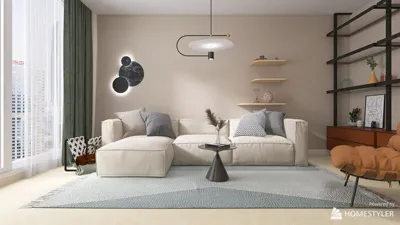


Recently, light and airy interior design has become increasingly popular. One staple I've found to be incredibly versatile is a white couch, which serves as an excellent starting point for any living space. With over a decade of experience in decorating compact apartments, I've learned that smaller areas compel us to be more inventive— a white sofa acts as the ideal blank slate. In this article, I will present ten creative living room concepts featuring a white couch, blending my insights with expert design advice.
1. Minimalist Neutrals
My Experience: I once revamped a cozy 28 m² studio using a calm, neutral palette centered around a white couch, which created an illusion of spaciousness and tranquility. By minimizing decorative accessories, the sofa took center stage.
Advantages: This approach visually expands the room; it complements any furniture style, making it perfect for small living rooms as highlighted in Architectural Digest's 2023 trends. Neutral shades also reflect natural light, enhancing brightness throughout the space.
Disadvantages: If you don’t incorporate some textures, the design may come off as a tad too simplistic; stains will be more noticeable on lighter fabrics.
Suggestion: To counterbalance the minimalist aesthetic, introduce a textured rug or a striking piece of artwork, similar to the minimalist storage I employed in a past project.
2. Pops of Color
My Experience: A client of mine wanted her white sofa to embody a more lively character, so we introduced vibrant emerald green and mustard yellow cushions – it left a lasting impression on her visitors.
Advantages: This allows you to bring personality into the space; it’s easy to change the look seasonally; this style harmonizes well with both modern and eclectic designs.
Disadvantages: An overabundance of vivid colors can lead to a chaotic look; careful selection is necessary to avoid clashing hues.
Cost Insight: Changing cushion covers is an economical way to refresh your decor compared to replacing larger furniture items.
3. Layered Textures
My Experience: For a coastal-inspired makeover, I layered linen throws, knitted cushions, and a jute rug, making the white couch feel both warm and fresh.
Advantages: This strategy boosts tactile comfort; it adds dimension to a monochromatic theme; soft textures can create a cozy environment in open-plan layouts.
Disadvantages: Textured fabrics can gather dust, necessitating more frequent cleaning; excessive layering might create a cluttered feeling.
4. Glass & Light Accents
My Experience: I love positioning a white sofa across from a large window and pairing it with elegant glass coffee tables – the light affects the ambiance beautifully.
Advantages: Glass surfaces keep the room feeling open and airy; they reflect light, brightening spaces; this design works beautifully with light and breezy interiors.
Disadvantages: Fingerprints and smudges are readily apparent; this might not be suitable for homes with active pets or young children.
Suggestion: Opt for tempered glass for added safety and longevity.
5. L-shaped Layout with a White Couch
My Experience: In tight living areas, I frequently suggest a sectional arrangement. An L-shaped white couch fits snugly into corners, as demonstrated in a recent loft project where we utilized this space-saving configuration.
Advantages: This arrangement optimizes seating; it defines zones within open-concept layouts; and provides enhanced lounging comfort.
Disadvantages: Once in position, it can be challenging to rearrange; large sectional designs may be cumbersome to relocate.
6. Wood Accents for Warmth
My Experience: I successfully paired a white sofa with walnut side tables and oak shelving, transforming a sterile condo into a warm haven.
Advantages: Wooden elements introduce a natural warmth that offsets the coolness of white; they offer a timeless aesthetic and complement various styles like Scandinavian, modern farmhouse, or Japanese.
Disadvantages: Real wood requires maintenance to avoid damage; excessive use can darken a compact space.
7. Gallery Wall Above the Sofa
My Experience: I curated a collection of black-and-white family photos in simple frames hung over a client’s sofa – this transformed the area into a personal storytelling space.
Advantages: This adds a personalized touch; art draws the eye upward, giving the illusion of higher ceilings; it’s easy to change as needed.
Disadvantages: Careful measuring is necessary; heavier frames need secure mounting to safeguard the couch.
8. Plants and Greenery
My Experience: A white couch bordered by tall indoor plants in woven baskets offers a refreshing organic vibe, perfect for urban dwellers yearning for nature.
Advantages: Plants naturally purify the air; they introduce color and texture; the bright white backdrop enhances the lush green.
Disadvantages: Some plants may shed leaves or soil; be sure to select varieties that prosper indoors and fit your lighting conditions.
9. Monochrome Black & White Theme
My Experience: Integrating a graphic rug, black side tables, and a white sofa delivers a stunning, modern effect without overwhelming colors.
Advantages: This look is timeless and elegant; accessorizing is straightforward; striking contrasts create a polished aesthetic, as noted by Elle Décor.
Disadvantages: It might appear too formal; dust on black surfaces can be quite noticeable.
10. Cozy Layered Lighting
My Experience: In a cozy reading nook, I placed a floor lamp beside a white couch and layered it with wall sconces – perfect for setting various moods.
Advantages: This enhances the ambiance; it’s practical for different activities; it makes a white sofa area feel warm and inviting, much like the cozy feel in my wood-accented living room project.
Disadvantages: It requires several light sources; managing multiple switches and cables can be cumbersome.
Summary
White couches are not merely functional; they foster creativity and bold design choices. Whether you prefer a minimalist, colorful, or textured approach, the essence lies in balancing lightness with personal flair. As noted by House Beautiful, versatile items like a white sofa can seamlessly adapt to nearly any design trend. Which of these ten living room ideas with a white couch are you excited to try out first?
FAQ
1. Is a white couch practical for small living rooms?
Indeed, it reflects light and can create an illusion of a larger space. Just opt for a stain-resistant fabric or consider slipcovers for added practicality.
2. How do I maintain a white sofa?
Utilize removable and washable covers; vacuum regularly, and be sure to promptly spot-clean any stains to prevent setting.
3. Will a white couch harmonize in a colorful living room?
Definitely – it serves as a neutral anchor for vibrant accents and patterned rugs while maintaining balance.
4. What wall colors complement a white couch best?
Soft neutrals, gentle gray tones, or even deeper shades like navy can work beautifully, depending on the atmosphere you wish to create.
5. Is maintaining white furniture a challenge?
While it can be, advanced performance fabrics have made upkeep much more manageable. Consumer Reports highlights new developments in stain resistance technologies.
6. Can I mix dark furniture with a white sofa?
Absolutely, contrasting pieces can create an elegant and balanced interior design.
7. How can I make a white couch feel cozier?
Incorporate various textures with throws, pillows, and rugs in warmer tones to add depth and comfort.
8. Does a white sofa fit within Scandinavian design?
Perfectly! Pair it with light wood accents, straightforward lines, and soft textiles to achieve the desired effect, as seen in several Scandi-inspired projects.
Discover the ease of home design with Homestyler! This user-friendly platform offers a powerful online design tool, stunning 3D renderings, and a wealth of design projects and video tutorials. Transform your ideas into reality effortlessly and inspire your creativity today!
Design Now for FREE
































