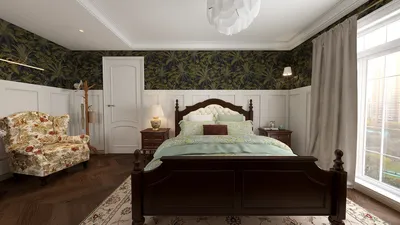


Currently, one design trend I find particularly appealing is the incorporation of deep, luxurious hues in living rooms—where a dark brown sofa serves as an exemplary centerpiece. Throughout my career, I have curated numerous small spaces, and I can attest that tight quarters stimulate remarkable creativity. In this piece, I will present 10 living room suggestions that center around a dark brown sofa, intertwining my personal design experiences with insights backed by industry experts. No matter if you seek warmth, sophistication, or contrast, you'll discover plenty of inspiration below—starting with how I decorated a dark leather couch in a compact studio apartment that felt half the size of my current living situation yet was ingeniously laid out.
1. Minimalist Environment for a Statement Sofa
What I’ve Experienced: In one of my projects, I combined a sizable, dark brown leather sofa with crisp white walls and sharp lines. This setup positioned the sofa as the main visual focal point without overwhelming the space.
Benefits: The stark contrast creates an illusion of greater space, while minimalist décor enhances the rich tones of a dark leather sofa. According to a 2023 design report, minimalism remains highly favored among small-space inhabitants for its soothing effect.
Drawbacks: An overly sparse room can come across as frigid or incomplete. Including a few textured accents is essential for maintaining warmth.
Advice: Introduce a striking item like a woven throw to break up expansive color blocks and connect the sofa to your overall color scheme.
2. Layered Natural Shades
What I’ve Experienced: I previously worked on a rustic mountain cabin where the living area showcased a dark brown sofa against earthy clay walls and soft green accents. This combination felt both grounded and refreshing.
Benefits: Earthy tones pair harmoniously with dark furnishings, fostering a cohesive and serene environment. They also help to mask minor wear on the sofa.
Drawbacks: Without contrasting elements, the color palette might appear heavy, especially in smaller spaces.
Advice: Opt for lighter curtains or a minimalist open shelving option to alleviate the visual weight and introduce vertical contrast.
3. Colorful Accent Chairs
What I’ve Experienced: In my own home, I positioned two mustard-yellow accent chairs across from my dark brown sofa, transforming the room into a vibrant and balanced setting.
Benefits: This strategy encourages the eye to traverse the room and allows for seasonal updates or color shifts as trends evolve.
Drawbacks: Too many bold elements can clash with the sofa; it’s best to limit yourself to a couple of vivid tones.
Advice: If you're on a budget, consider fresh cushion covers instead of investing in new chairs.
4. Sheer Drapes to Maximize Natural Light
What I’ve Experienced: In a client’s urban loft with limited sunlight, we implemented airy sheer curtains to maximize brightness. The dark sofa immediately felt warmer and more inviting.
Benefits: Enhancing natural light diminishes the weighty feel of dark furniture, making the space feel more cheerful.
Drawbacks: Sheer fabrics can gather dust and require frequent cleaning.
Advice: Limit wall art near windows to augment the airy appearance.
5. Area Rug as a Neutral Transition
What I’ve Experienced: I’ve successfully utilized soft cream or textured jute rugs to help a dark sofa seamlessly integrate into varied color settings without getting lost.
Benefits: Rugs anchor the furniture layout while creating a smoother transition between dark and light elements.
Drawbacks: In high-traffic areas, light rugs can easily show stains, so opting for washable materials is wise.
Advice: An 8x10 rug typically suits most living rooms when placed under the front legs of the sofa.
6. Variety of Textures
What I’ve Experienced: Mixing materials such as velvet cushions, knitted throws, and metal lamps keeps the setting around a dark brown sofa visually engaging. This is a strategy I honed while staging homes for autumn sales.
Benefits: Diverse textures interact with light in unique ways, preventing the space from appearing flat. This layering technique is frequently recommended by design editors.
Drawbacks: Excessive layering can feel chaotic if not executed purposefully. Aim for 3 to 4 core textures.
Advice: Strive for balance between soft and hard materials for visual harmony.
7. Gallery Wall for Character
What I’ve Experienced: Above a client’s dark brown sectional, we carefully curated a gallery wall featuring family photos and contemporary art, injecting vertical energy into the compact space.
Benefits: This creates a focal point that draws the eye upward, enhancing the perception of room height.
Drawbacks: Without proper curation, a gallery wall can become overwhelming and detract from the furniture.
Advice: Utilize consistent frame colors to create cohesiveness in the overall look.
8. L-Shaped Arrangement for Enhanced Conversation
What I’ve Experienced: In a snug city apartment, we arranged the dark brown sofa and a chaise in an L-shape, opening up additional functional floor space.
Benefits: This setup optimizes seating while establishing a natural conversational area, particularly beneficial in open-concept layouts.
Drawbacks: This configuration may restrict where you place other furniture, such as coffee tables.
Advice: Consider a compact coffee table or ottoman in the center for flexibility, much like how I used an L-shaped design to free up more surface area in a kitchen-related project.
9. Warm Wood Accents
What I’ve Experienced: Pairing a dark brown sofa with walnut side tables or oak shelves instantly introduces a welcoming warmth. I've utilized this combination in both modern lofts and rustic homes.
Benefits: Wood textures bring natural depth and visual interest. Warm hues beautifully complement dark upholstery.
Drawbacks: An abundance of wood without contrast can feel outdated; it’s beneficial to mix in different materials for variety.
Advice: Align wood undertones with the brown of your sofa for a cohesive aesthetic.
10. Glass and Metal Touches for Lightness
What I’ve Experienced: One of my favorite design tactics is to blend a robust dark sofa with glass coffee tables or metallic side chairs. This strategy was particularly effective in a recent project, allowing a narrow space to feel airy.
Benefits: Glass permits light passage, while metallic finishes add a reflective quality, minimizing the sofa’s heaviness visually.
Drawbacks: Glass surfaces require regular upkeep, and metal finishes can be prone to scratches with improper handling.
Advice: Consider pairing with a glass backsplash to create an illusion of openness, especially if your living area flows into the kitchen.
Final Thoughts
When designing around a dark brown sofa, it’s essential to make astute and balanced design decisions. Smaller living rooms do not equate to fewer choices—rather, they necessitate more creativity. As highlighted by Architectural Digest, contrasting elements, texture variations, and clever layouts can transform how a sofa integrates into a space. Which of these inspiring ideas will you consider implementing in your own home?
Frequently Asked Questions
1. How can I successfully incorporate a dark brown sofa into a small living room? Opt for contrasting lighter walls and effective lighting strategies to create an open feel. Integrating vertical elements can also enhance the airy atmosphere.
2. What colors complement a dark brown sofa best? Neutral tones such as beige, cream, and grey are excellent choices, along with vibrant accents like mustard yellow or forest green.
3. Is it possible to mix a dark brown sofa with black furniture? Certainly, but ensure lighter elements like pale rugs or metallic décor are introduced to break up the darkness.
4. How can I style cushions for a dark brown sofa? Mix various textures, combining solid colors with patterned cushions for an engaging visual.
5. What are some ways to brighten a room featuring a dark brown sofa? Maximize the influx of natural light, use sheer curtains, and incorporate reflective materials into the design. Publications like Elle Décor recommend mirrors as an excellent brightening solution.
6. Are dark brown sofas trending in 2024? Yes, especially in classic and modern-rustic styles where durability meets elegance.
7. Which flooring options suit a dark brown sofa best? Light wooden floors, grey tiles, or neutral carpets can create a harmonious balance with the sofa’s deep hue.
8. Do glass accents work effectively with a dark brown sofa? Absolutely. Glass coffee tables or shelving can enhance an open feel in the room, mirroring the sensation provided by a Homestyler visualized open-plan layout.
Looking to transform your home? Homestyler is the ultimate online design platform that combines an easy-to-use design tool with stunning 3D renderings. Explore diverse design projects and enhance your skills with DIY video tutorials, making home styling fun and accessible for everyone!
Desain sekarang Gratis
































