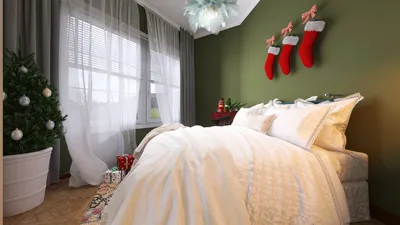


I recall stepping into a client's charming studio space and almost tripping over a lamp cord — despite their objection to overhead lighting, claiming it felt too clinical, like a hospital. That experience imparted two important lessons: first, individual preferences for lighting can be surprisingly particular; second, a room that lacks overhead illumination offers a canvas for imaginative solutions. In small areas, creativity can thrive, and I’ll discuss five essential lighting inspirations that not only enhanced that studio but also safeguarded my client's toes.
1. Layered task and accent lighting
My approach always begins with defining zones: reading, working, and relaxing areas all require distinct lighting. By incorporating flexible floor lamps beside seating, a dedicated desk lamp for focused tasks, and LED strips or picture lights that showcase artwork, you can achieve dimensional lighting even without a ceiling fixture. This arrangement allows for adjustable brightness and atmosphere, though it necessitates careful cord management and the selection of styles that harmonize with the overall decor.
save pin
2. Wall-mounted sconces and swing-arm lamps
Wall sconces, whether hardwired or plug-in, eliminate floor clutter while providing a seamless integrated look. For instance, I installed swing-arm sconces above a compact bedside table — my client appreciated the ability to direct light for reading, thus avoiding surface disarray. They might require professional installation if hardwired, but plug-in versions can dramatically upgrade your space with ease.
save pin
3. Smart LED strips and cove lighting
Using LED strips tucked beneath shelves, behind televisions, or within coves introduces atmospheric glow and control over color temperatures. I once applied warm white strips behind kitchen cabinets in a small apartment to replicate the inviting glow of under-cabinet and overhead lights. They are energy-efficient and unobtrusive, although the key challenge lies in ensuring a clean installation and discreetly concealing the power source.
save pin
4. Portable, rechargeable lamps
Rechargeable lamps—both table and floor models—are invaluable for renters or those seeking flexible configurations. I recommended several to a family frequently on the move — they require no wiring or modifications, providing versatility for relocating light sources. Their limitations include battery life and occasionally lower brightness, but contemporary designs can sustain useful illumination throughout the evening.
save pin
5. Reflective surfaces and mirror placement
Do not underestimate how mirrors and light-colored finishes can enhance existing light sources. In one compact entryway, placing a tall mirror across from a lamp effectively doubled the perceived brightness and created a sense of spaciousness. This technique is cost-effective and provides instant results, although it relies on strategic lamp positioning and can lead to glare if overused.
save pin
Tips 1:
A practical budgeting strategy: prioritize acquiring a high-quality task lamp and a single ambient source initially, then gradually enhance the space with accent lighting. For a swift visualization before purchasing, I frequently utilize a room planner like Homestyler to simulate lamp positions and analyze reflection angles.
save pin
FAQ
Q: What is the quickest lighting upgrade for a room without overhead fixtures?
A: The fastest upgrade involves adding a floor lamp or plug-in wall sconces; these offer minimal installation effort and an immediate difference. Opt for adjustable brightness and warm color temperatures for a cozy ambiance.
Q: Are plug-in sconces considered safe?
A: Absolutely, reputable plug-in sconces can be safe when installed according to guidelines; just ensure outlets aren't overloaded and cords are hidden to prevent tripping hazards.
Q: Do mirrors truly enhance light?
A: Certainly — mirrors effectively reflect both natural and artificial light, enhancing brightness and spatial perception when positioned opposite a light source.
Q: How can I select the right bulb color temperature?
A: For living areas, I recommend a temperature between 2700K–3000K (warm white) to create a welcoming feel; cooler temperatures are more suitable for work settings. Dimmable LEDs also provide added flexibility.
Q: Is professional installation necessary for LED strips?
A: Most adhesive LED strips can be installed as a DIY project, but for hardwired cove lighting, hiring an electrician for compliance and safety is advisable.
Q: What portable lamp options are suitable for renters?
A: Seek rechargeable lamps featuring multiple brightness settings and warm LEDs; they are cordless, adaptable, and can easily accompany you during moves.
Q: How can I effectively plan lamp placement ahead of purchase?
A: Outline zones for various tasks, position a lamp near each area, and consider reflective surfaces; employing a 3D floor planner like Homestyler can greatly assist in visualizing lamp placements and light flow.
Q: Where can I find reliable lighting advice?
A: For authoritative lighting guidelines and recommendations, refer to the Illuminating Engineering Society (IES) publications — they provide in-depth standards regarding illuminance and color rendering.
save pin


Looking to transform your home? Homestyler is an amazing online platform that makes home design easy and fun. With its user-friendly design tool, stunning 3D renderings, diverse projects, and helpful video tutorials, you can effortlessly create beautiful spaces—perfect for both novices and seasoned designers!
Concevez maintenant gratuitement
































