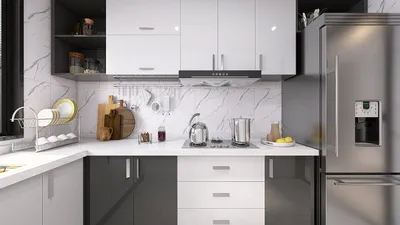


Once, a client expressed a strong desire for their new apartment to feature an uninterrupted 'museum' ceiling, free from any visible fixtures, which truly delighted me. This request compelled me to reevaluate all potential lighting sources in the space. I discovered that small areas can actually encourage creative lighting solutions rather than hinder them. In this article, I will share 5 practical lighting inspirations that I've applied in real-life projects, demonstrating how Homestyler can assist in these designs.
1. Layered Lighting with Floor and Table Lamps
I typically begin with a combination of three lamps: a floor lamp for ambient lighting, a table lamp designated for specific tasks, and a smaller accent lamp to add depth. This arrangement offers great flexibility, allowing you to create different moods for morning, work, or cozy evenings without the need for rewiring. The only challenge is managing the cords; I often run them along baseboards and conceal them behind furniture. I also suggest using power strips with surge protection for safety.
save pin
2. Utilizing Wall Sconces and Picture Lighting
Mounting lights on walls can free up floor space while adding architectural interest. I've installed swing-arm sconces beside beds and along sofas to replace traditional overhead fixtures — these fixtures not only look intentional but also offer excellent reading lighting. If you wish to avoid hardwiring, consider using plug-in sconces or consult with an electrician to install switched circuits.
save pin
3. LED Strip and Cove Lighting
Incorporating LED strips beneath shelves, behind TVs, or along baseboards can create a seamless, gentle glow, making ceilings appear higher. For instance, I used warm white strips in a narrow kitchen to create a visually slimmer look — they are both energy-efficient and affordable. However, be cautious with low-quality RGB strips that may flicker; it's wise to invest in high-quality LEDs and dimmers to avoid harsh lighting effects.
save pin
4. Mobile Rechargeable Lamps
Rechargeable lamps are incredibly convenient, especially in rental properties or temporary setups. I keep a few in the living room and often move them to the balcony or bedside as needed. They provide the freedom of being cordless and typically offer various color temperatures; just ensure you establish a charging routine to prevent battery depletion during movie nights.
save pin
5. Reflective Surfaces and Mirrors
Lighting goes beyond fixtures — utilizing reflective surfaces can enhance the existing light in the room. For example, placing a tall mirror opposite a lamp or window can effectively double the perceived brightness and add depth. However, one downside is that mirrors can also reflect clutter, so it's best to combine this technique with tidy storage solutions or opt for a decorative, high-mounted mirror.
save pin
Tips: Experimenting Before Purchasing
If you're looking to play around with the layout before committing to lighting purchases, consider using the room planner from Homestyler to visualize lamp placements and reflection angles. Throughout the project, I frequently utilize 3D mockups to check shadows and sightlines, saving multiple trips to the store.
save pin
Frequently Asked Questions
Q1: Is it possible to create a living room ambiance solely with lamps, avoiding ceiling lights? A1: Absolutely — with effective layerings, such as ambient, task, and accent lighting, comfortable illumination is achievable. Aim for several light sources at varying heights for a balanced glow.
Q2: Do LED strips provide ample brightness for kitchen countertops? A2: Quality warm white LED strips can deliver sufficient task lighting when installed under cabinets. If additional intensity is required, pair them with a directional task lamp.
Q3: What methods can I use to conceal cords when using multiple plug-in lights? A3: You can run the cords along baseboards, utilize cord covers that blend with your walls, and streamline plugs with quality surge-protected power strips.
Q4: Are wall sconces required to be hardwired? A4: Not necessarily — there are many appealing plug-in or battery-operated sconces available. However, hardwiring provides the advantage of cleaner switches and a more permanent installation.
Q5: Which color temperature works best in the absence of ceiling lights? A5: A warm white temperature (2700K–3000K) tends to create a cozy and inviting atmosphere in residential areas, while cooler colors are ideal for focused tasks. For expert advice on human-centric lighting, refer to the Illuminating Engineering Society (IES) standards.
Q6: Do mirrors truly enhance light levels? A6: Yes — mirrors can reflect both natural and artificial lighting, significantly boosting the perceived brightness, especially when positioned across from windows or lamps.
Q7: Are rechargeable lamps bright enough for tasks? A7: Many contemporary rechargeable lamps offer various brightness levels, making them suitable for reading or light work; check the lumen output prior to purchase.
Q8: How can I outline a lighting plan if I lack professional assistance? A8: Begin by identifying activity zones (such as reading areas, cooking spaces, or TV viewing spots), assign light types to these zones, and sketch their positions at diverse heights. Using a complimentary floor plan creator can expedite this process and aid in visualizing your outcomes.
save pin
If you're looking to transform your home effortlessly, Homestyler is your go-to online design platform. With its user-friendly design tool, stunning 3D renderings, and a wealth of DIY video tutorials, you can unleash your creativity and bring your dream spaces to life in no time!
Concevez maintenant gratuitement
































