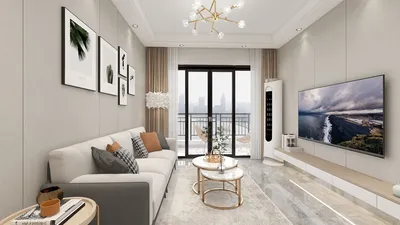


During a project, I once cleverly concealed LED strips behind a bookshelf to impress a client. However, I quickly realized mid-presentation that I had accidentally run the tape over a speaker grill. This taught me a valuable lesson about placement and how sound vibrations can impact the lighting design. This small mistake illuminated the fact that even minor lighting choices can have significant effects—this is exactly the kind of small-space magic I love creating with tools like Homestyler.
Tip 1: Enhance functionality with under-cabinet task lighting
I often employ narrow 5V or 12V LED strips beneath kitchen cabinets to minimize shadows and promote safer chopping. The benefits are substantial: tidy workspaces, reduced heat, and simple dimming options. However, it’s important to ensure a clean power run and choose an appropriate diffuser to prevent visible hotspots.
save pin
Tip 2: Utilize backlighting for TVs and artwork to create comfortable contrasts
Integrating backlighting can alleviate eye strain while providing a cinematic flair to smaller living spaces. I typically opt for warm white backlighting for portraits and RGB lighting for artworks that show off color accents—just be cautious of any reflections on shiny screens.
save pin
Tip 3: Illuminate shelves and coves to create the illusion of more space
By positioning strips underneath shelves or within coves, you can create a sense of depth and visually enhance the size of a room. In kitchens, I incorporate bright strips into toe-kick areas and open shelving as part of the lighting design; this approach improves both ambiance and accessibility.
save pin
Tip 4: Employ diffusers and channels to eliminate harsh light lines
Using aluminum channels with frosted covers can transform harsh LED points into smooth, even washes of light. This technique is something I frequently suggest to clients to achieve a polished aesthetic. Although it requires a bit more investment, it effectively conceals adhesive marks and gives a custom feel to the LEDs — with the trade-off being added labor for neat routing.
save pin
Tip 5: Implement smart controls, scenes, and adjustable color temperatures
My ultimate finishing touch involves pairing tunable white strips with a straightforward controller, allowing you to transition from bright, cool task lighting to a warmer, more relaxing glow. For projects that emphasize mood, I sometimes utilize 3D mood renderings with Homestyler to help clients visualize their choices; these visual aids can communicate concepts much quicker than descriptions alone.
save pin
FAQ
Q1: What type of LED strip is optimal for under cabinets? I suggest using 3000K–4000K tunable white 2835/3528 SMD strips, with 120–240 LEDs per meter to achieve an even spread of light. Opt for waterproof options only if there is a risk of exposure to moisture.
Q2: Should I use a diffuser, or can I directly stick the strips? Diffusers help to soften any hotspots and conceal adhesives, providing a premium finish; adhering strips directly is less expensive but tends to highlight individual diodes. If seamless lighting is desired, consider the additional cost for channels in advance.
Q3: How can I prevent voltage drop over long runs? Keep the strip length within the manufacturer's recommended limits or provide power from both ends; opting for a higher voltage (24V) strip can also mitigate voltage drop issues. Using the correct wire gauge and a dependable power supply can avert future problems.
Q4: Are RGB strips dependable for everyday use? Absolutely, quality RGB (or RGBW) strips are reliable as long as they're sourced from reputable manufacturers and paired with the right power supplies. Do keep in mind that some color shift may occur over the years; carefully reviewing warranty and specifications is essential.
Q5: Can wall dimmers be used to dim LED strips? Many strips necessitate compatible drivers or controllers to facilitate smooth dimming; standard TRIAC wall dimmers often do not work unless the driver confirms compatibility. I usually suggest using an LED-rated dimmer or a dedicated controller for consistent results.
Q6: Is DIY installation safe for novices? Basic installations can be manageable if you adhere to polarity, secure connections, and utilize the correct power supply. For more complex installations involving mains wiring or multiple zones, it's advisable to consult with a licensed electrician to ensure compliance with regulations.
Q7: How energy-efficient are LED strips? LED strips are significantly more efficient compared to incandescent or halogen options; considerable savings can be expected. According to ENERGY STAR, LEDs consume at least 75% less energy and last 25 times longer than traditional bulbs.
Q8: Any quick tips for budget-friendly choices? Purchase slightly longer reels and cut them to size to minimize multiple small orders; also, invest in high-quality connectors and a robust power supply to avoid premature failures. Small initial expenses on diffusers and drivers can often lead to time savings and reduced replacement costs down the line.
save pin
Homestyler is your go-to online home design platform! With its user-friendly design tool, stunning 3D renderings, and extensive collection of DIY video tutorials, you can effortlessly transform your home ideas into reality. Perfect for both beginners and seasoned designers!
Progetta ora GRATIS
































