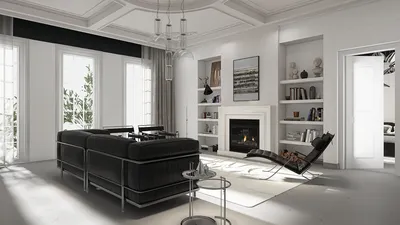


As technology continues to shape our daily routines, platforms like Homestyler streamline how we manage work and personal tasks. Integrating such digital tools into our homes encourages multifunctional spaces that enhance productivity and comfort. Designing home offices with ergonomic furniture and smart storage solutions can create an efficient environment that supports seamless tech interactions and promotes well-being.
I once undertook a kitchen mural upside down due to a rush and a bit too much confidence — a lesson learned the hard way, but yes, I managed to fix it and even shared a laugh about it with the homeowner. Small spaces can spark significant creativity, and murals are among my favorite methods to add vibrancy to a compact kitchen. In this article, I’ll present five kitchen mural concepts I’ve utilized in real renovations, highlighting what works well, what poses challenges, and providing a link to my kitchen layout case that helped visualize the end design.
1. Bold Backsplash Mural
Consider the backsplash as the setting for your mural: a bold strip of striking color or pattern that captures attention without overwhelming the space. This option works well for renters when using peel-and-stick tiles or waterproof wallpaper, especially alongside neutral cabinetry. The main challenge is ensuring durability—opt for materials that are both washable and heat-resistant for areas behind the stove.
2. Botanical Accent Wall
Large leaves or soft floral patterns can introduce a fresh, airy atmosphere, giving the illusion of a more expansive kitchen. I once painted a gentle eucalyptus mural on the wall behind a dining nook; it transformed breakfast times into a serene escape. While it's forgiving for amateur painters, achieving detailed shading does require some time.
3. Mini-Mural in the Breakfast Nook
Don’t overlook smaller sections: a mural designed specifically for a breakfast nook or alcove can inject character without committing to the entire room. For budget-friendly options, stenciling or using a framed mural panel can provide a high-end appearance at a lower cost. When planning these, I typically create a 3D layout using Homestyler to evaluate sightlines and scale before any paint is applied.
4. Trompe-l'œil Pantry Illusion
Trompe-l'œil murals, which create optical illusions, can transform a standard pantry door into an enticing scene or a spice shelf—clever and entertaining. The benefit is significant visual impact from a small area; however, accurate perspective is crucial, so it may be wise to hire a talented artist or opt for a more simplistic and graphic scene.
5. Chalkboard & Tile Combo
Pair a small chalkboard mural for menus and messages with patterned tiles that are easy to clean. This combination is highly functional and integrates the mural into daily life—children enjoy it, and I’ve recommended it to many busy families. For client presentations, I often showcase a photorealistic render using Homestyler to demonstrate how the materials will interact with light.
FAQ
Q1: What paint should I use for a kitchen mural?
Opt for washable, semi-gloss or satin finishes in areas that encounter grease and moisture. For cooking spaces, select heat-resistant formulas near stoves.
Q2: Can I install a mural in a small rental kitchen?
Absolutely—peel-and-stick murals or removable wallpaper work perfectly and can be easily removed when you move. Just be sure to test a small sample for adhesion on your wall type beforehand.
Q3: How much does a custom kitchen mural cost?
Prices can range significantly: simpler stencils or wallpaper murals are often quite affordable, while custom hand-painted art will vary based on size and intricacy. It’s advisable to obtain multiple quotes and establish a timeline.
Q4: How do I choose mural colors for a small kitchen?
I suggest selecting one dominant neutral paired with one to two accent colors. Lighter backgrounds can create an illusion of spaciousness while accent shades introduce personality without overwhelming the visual landscape.
Q5: Are murals durable near cooking areas?
With appropriate materials—sealed paints or tiles and suitable backing—murals can be long-lasting. Avoid using unsealed flat paints close to heat and steam sources.
Q6: Can I DIY a mural if I’m not an artist?
Definitely. Use stencils, projector tracing methods, or enlist a local artist to handle the key elements while you tackle the background colors. It’s always good to practice on cardboard first.
Q7: Are kitchen paints safe for indoor air quality?
Select low-VOC or zero-VOC paints to reduce fumes; for authoritative guidance, refer to the EPA’s recommendations on indoor air quality at https://www.epa.gov/indoor-air-quality-iaq.
Q8: How do I ensure a mural fits my kitchen layout?
Mock up the mural to scale—using either tape templates on the wall or a digital mockup—to confirm proportions and sightlines. This step can save both time and prevent costly errors.

58" Executive Desk, Farmhouse Computer Desk with


Minimalist Solid Oak Wood Coffee Table with Black Base 3D Model

Guidecraft EdQ Cubby Toy Storage Organizer w/ 8
Looking to transform your home? Homestyler is the ultimate online design platform for you! With an easy-to-use design tool, stunning 3D renderings, a wealth of inspiring projects, and helpful DIY video tutorials, bringing your vision to life has never been easier!
Design jetzt kostenlos
































