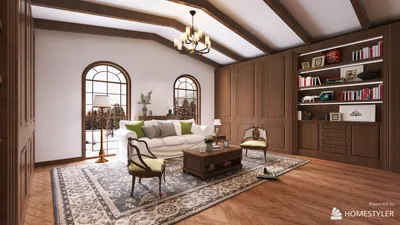


I had a client once who wanted their Ikea DIY LEGO table to serve multiple purposes: as a coffee table, a homework desk, and even a secret vault for toys. I chuckled at the idea, sketched some concepts, and managed to bring the vision to life, utilizing a Homestyler case study to quickly visualize the proportions needed.
Creativity can flourish in small spaces, and that’s precisely what occurred here. I’m excited to share five practical inspirations for an Ikea DIY LEGO table that I’ve implemented in real projects, highlighting budget considerations and lessons learned through experience.
1. The Flip-Top Storage Table
I crafted this design for a compact one-bedroom apartment where every inch was significant. By using an Ikea Linnmon or Lack tabletop and attaching a hinge on one side, the LEGO surface is exposed when open, while the bricks are neatly tucked away when closed. The key benefits include quick cleanup and a neat living area; however, it's vital to ensure the hinge is sturdy and safe for children — I enhanced mine with piano hinges and soft-close dampers for safety.
save pin
2. Modular Building Zones
Segment the tabletop into various zones, using baseplates glued onto removable plywood panels. Kids enjoy rearranging these sections — this system facilitates rotation, simplifies cleaning, and allows for easy substitution of a plain wooden panel during snack time. My advice is to color-code the undersides of the panels, enabling children to quickly align the shapes back in place.
save pin
3. Convertible Bench-and-Table Combo
For those on a budget, you can transform an Ikea Trones or Kallax bench into a LEGO table by cutting a circular or rectangular hole and inserting a studded play surface. This design doubles as both seating and storage. I utilized foam tape for cushioning the lid and a simple latch to keep it securely closed when not in use. To visualize how this setup fits into your space, using a Homestyler plan demo can help test the dimensions before making any cuts.
save pin
4. Wall-Mounted Fold-Down Table
In ultra-compact areas, a wall-mounted fold-down table with a studded surface is invaluable. It folds up like a Murphy desk, instantly freeing up floor space. While the limited surface area and the need for stud anchors in the wall can be drawbacks, it’s ideal for enjoying morning coffee while engaging in afternoon building projects.
save pin
5. Integrated Play Nook with Mini Kitchen
Pair a low Ikea table with a small play kitchenette to allow kids to enact stories around their creations. Positioned at kid-height, this table combined with an adjacent mini kitchen enhances imaginative play. To visualize how such a petite play area integrates with real furniture, take a look at this kitchen layout example which embodies the flow I frequently employ.
save pin
Tips 1:
Utilize baseplates as expendable surfaces — they’re affordable and easily replaced. Plan ahead for storage, employing labeled bins to streamline cleanup. Additionally, always ensure sharp edges are rounded off or equip your DIY builds with corner guards; I learned this lesson the hard way when a coffee-table corner claimed an unfortunate toe.
save pin
FAQ
Q1: Which Ikea table works best for a DIY LEGO project?
A: I typically recommend the Linnmon or a basic Lack top due to their easy modification and affordability. They are lightweight, cost-effective, and straightforward to cut or hinge.
Q2: How can I attach LEGO baseplates to a wooden top?
A: Employ construction adhesive or small screws paired with washers on the underside of plywood panels; avoid direct gluing onto high-value Ikea laminates unless permanent placement is acceptable.
Q3: Are there safety issues associated with DIY tables?
A: Absolutely — ensure hinges are secure, edges are rounded, and child-safe latches are used. Wall-mounted units should be anchored into studs, and keep small parts away from children under three to avoid choking hazards.
Q4: Can I create a dual-height table suitable for both kids and adults?
A: Definitely, you can construct a removable riser or implement folding legs to allow height adjustments. I’ve crafted a detachable platform that securely locks in for adult game nights.
Q5: What budget should I anticipate?
A: A basic DIY LEGO table can start at under $50 using repurposed Ikea components; however, more complex designs with custom storage and hinges can range between $150–$300, depending on materials.
Q6: How do I effectively plan the layout before making cuts to furniture?
A: Careful measurement is key, and utilizing cardboard for full-size templates can help with visualization. Digital mockups also serve as useful tools — I frequently employ them for quick room tests to prevent irreversible mistakes.
Q7: Where can I find reliable guidance on child safety?
A: The U.S. Consumer Product Safety Commission (CPSC) offers authoritative guidance regarding small parts and preventing furniture tip-overs: https://www.cpsc.gov.
Q8: How can I access real-world examples of layouts?
A: Certainly, reviewing a few case studies and demonstrations is beneficial — once you have a visual reference, your building decisions will become much clearer.
save pin
Discover the joy of home design with Homestyler! This user-friendly online platform offers a powerful design tool, stunning 3D renderings, and a wealth of DIY video tutorials to inspire your creativity. Bring your dream space to life effortlessly with Homestyler!
立即免费设计
































