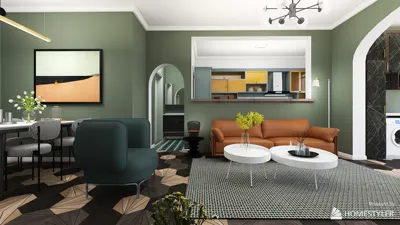


I once assisted a brother-and-sister duo who envisioned entirely different themes for their shared room: she dreamed of fairy lights and ruffles, while he preferred graffiti and racing cars. Additionally, both sought a private nook. I tackled this challenge by sketching half-a-room concepts until they found humor in the situation and agreed on a blend of both ideas. When faced with the task of merging two distinct personalities in a single room, creativity flourishes, and utilizing a planning tool like Homestyler can make it easy to visualize these ideas rapidly. One concept I propose is bunk bed zoning, ensuring both children feel a sense of ownership in their designated spaces.
1. Balanced Color Zoning with a Twist
I prefer employing two complementing color schemes linked by a common element such as a rug, a bookshelf, or a painted band. This approach maintains a cohesive atmosphere while allowing each child to showcase their individuality. The secret lies in integrating a shared color that appears on both sides, making the room feel deliberate rather than haphazard. From a cost perspective, paint and textiles create significant changes without breaking the bank, although be prepared for touch-ups where colors converge.
save pin
2. Multi-Functional Loft or Bunk Solutions
Lofts and bunk beds are excellent for saving floor space and creating designated areas: one child could have a study niche beneath a loft while the other enjoys a play zone. I often include partial partitions (like open slatted dividers) to enhance acoustic comfort, offering privacy while keeping the room airy. The key considerations are safety and headroom, so double-check your measurements and consider guardrails for fidgety sleepers.
save pin
3. Shared Study Area with Personalized Storage
Transforming a window alcove or corner into a communal study space effectively doubled the functionality in a home I revamped. Two desks, a shared lamp, and individual pegboards encouraged collaboration on homework without merging their supplies. This setup promotes teamwork, but ensure you have labeled bins and a routine in place to prevent a mystery migration of markers by morning.
save pin
4. Personality Pods Enhanced with Interchangeable Panels
Design mini "pods" – such as a reading nook, display shelf, or game area – each separated by movable panels or curtains. I have previously installed magnetic panels allowing siblings to swap posters or photos effortlessly without the need for repainting. This playful strategy is low-commitment, but ensure that all movable features are securely mounted to prevent any tipping hazards.
save pin
5. Flexible Storage Wall along with Modular Furniture
A comprehensive wall of modular storage allows you to reorganize shelves and drawers as children grow older. I designed a dynamic system with both open cubbies and closed cabinets sufficient to manage toys, clothes, and keepsakes effectively. As clutter starts encroaching, sliding doors assist in quickly concealing it. Although the initial investment is higher than DIY alternatives, the long-term advantages include a serene, adaptable space where siblings can interchange modules as their preferences shift; consider it a worthwhile investment to minimize arguments over floor space. You can visualize the results in a 3D rendering with Homestyler, showcasing the potential of flexible storage.
save pin
Tips:
A few quick practical suggestions include anchoring large pieces against different walls to foster a sense of ownership for each child, placing soft acoustic panels near beds to diminish late-night distractions, and utilizing labels extensively — they can save more time than anticipated. When working with a limited budget, prioritize storage solutions and a comfortable bed over matching decor, as both children will likely value functionality over aesthetics at first.
save pin
FAQ
Q1: What is the ideal age to initiate a shared bedroom? I advise commencing when both children are comfortable with shared habits and privacy requirements — usually around preschool to early elementary level. Younger children necessitate closer supervision, hence layout for visibility and safety is paramount.
Q2: How can I minimize conflicts in a shared room? Establish clearly defined zones, label personal items, and implement a straightforward schedule for shared spaces. Frequently involve children in decorating decisions to foster a sense of ownership and accountability.
Q3: Are bunk beds safe for siblings? Bunk beds are perfectly safe if safety regulations are followed: strong frames, guardrails on upper bunks, and appropriate mattress heights. According to the U.S. Consumer Product Safety Commission (CPSC), proper guardrails and mattress sizes diminish fall hazards.
Q4: How can I make the room adaptable as they grow? Opt for neutral staple furniture (beds, shelves) and change out fabrics and wall art as preferences evolve. Modular furnishings and interchangeable panels are my go-to for ensuring long-term adaptability.
Q5: What happens if siblings have contrasting styles? Use a harmonious neutral foundation and add stylistic accents on each side — rugs, lamps, and wall mounts allow each child to express themselves without chaotic visuals. A blend of shared and personal accents typically works better than entirely isolated themes.
Q6: How can I optimize a small room for two children? Maximize vertical space with lofts or elevated shelving, create zones instead of distinct rooms, and focus on under-bed or wall storage. Utilizing mirrors and uniform lighting can also contribute to a more spacious feel.
Q7: Can I combine study and sleep spaces in one area? Certainly! Just separate them visually with rugs, screens, or using a headboard divider to differentiate between areas of activity and rest. Good lighting and ergonomic seating are vital for a productive study environment.
Q8: Where can I experiment with layouts before purchasing furniture? I always recommend utilizing a reputable floor-plan creator or a 3D sketch tool such as Homestyler, allowing you to test different configurations without the heavy lifting. Virtual planning eliminates errors and aids children in visualizing their personal areas.
save pin
Looking to transform your home? Homestyler is the ultimate online design platform for you! With its user-friendly design tool, stunning 3D renderings, and a wealth of DIY video tutorials, you can effortlessly create and visualize your dream space. Start designing today!
تصميم الآن مجانا
































