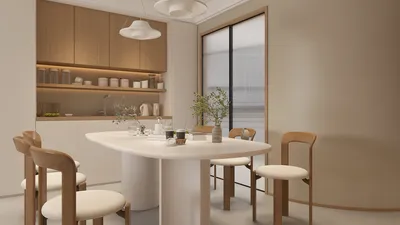


In recent times, the trend of open-plan layouts has gained significant popularity in interior design. I have discovered that combining living rooms and dining areas works exceptionally well for compact apartments and cozy residences. After working on various projects that prioritize small spaces, I've found that they frequently inspire the most innovative design solutions. This article will present 10 creative ideas for decorating living room and dining room combinations, incorporating my personal touch, professional insights, and practical examples to motivate your upcoming renovation.
1. Minimize with a Cohesive Color Palette
My Perspective: In my experience with open-plan areas, establishing a neutral color foundation has been incredibly effective in visually enhancing space. Soft whites, gentle greys, and beiges foster a fluid connection between the living and dining sections.
Advantages: A minimalist color scheme contributes to a feeling of spaciousness and tranquility. This approach unifies your living room-dining room combination without incurring additional costs for partitions.
Disadvantages: If not complemented by textures or accent items, some might perceive it as overly simplistic.
Suggestion: Incorporate a striking piece of artwork to inject personality while maintaining cohesion. For one project, I chose a cream sofa paired with oak dining chairs, creating harmony—much like wood elements infusing warmth in this design inspiration featuring Homestyler.
2. Defining Spaces with Area Rugs
My Insight: One of my go-to strategies involves using area rugs to establish zones without resorting to walls. A plush rug beneath the sofa and a flat-weave rug under the dining table effectively directs movement within the space.
Benefits: This is an economical and reversible method for creating defined areas; rugs can also introduce warmth, texture, and color.
Drawbacks: Larger rugs may come with a hefty price tag, and regular cleaning is essential—especially in dining zones.
3. Employing L-Shaped Sofas as Natural Dividers
My Perspective: L-shaped sofas often serve as 'soft walls' to delineate between dining and lounging areas. This arrangement fosters intimacy within the living space.
Advantages: Maximizes seating while ensuring a natural flow—ideal for entertaining in open-concept interiors.
Disadvantages: Careful measurement is crucial; an oversized sofa can dominate the space.
4. Consistent Flooring to Create Unity
My Perspective: Using the same flooring throughout both zones establishes a sense of unity—an approach frequently recommended by the American Society of Interior Designers for smaller homes.
Pros: This technique visually enlarges your environment, making maintenance straightforward with a single surface type.
Cons: It may restrict your ability to distinguish areas without adding rugs or altering furniture arrangements.
5. Versatile Multi-Functional Furniture
My Insight: My clients appreciate adaptable furniture, like extendable dining tables and storage ottomans. These pieces significantly enhance small living-dining combinations.
Advantages: They save valuable space and offer versatility; extendable tables accommodate guests without permanently sacrificing room.
Disadvantages: Some of these items can be costly due to their complex designs.
6. Layering Lighting for Ambiance
My Take: I often combine overhead pendants above dining tables with floor lamps in the lounge area. This layering creates a flexible atmosphere, whether enjoying relaxation or hosting gatherings.
Pros: Ambient lighting can be adjusted; visually and emotionally separates different activities.
Cons: This approach necessitates careful planning for wiring and installation during renovations.
Example: In one project, glass pendant fixtures added a touch of elegance to the dining area, effectively defining the space.
7. Utilizing Wall-Mounted Storage
My Insight: In a stylish downtown loft, I installed floating shelves along the wall nearest the dining table for both display and storage purposes.
Pros: It saves floor space and simplifies cleaning while adding perceived height to the room.
Cons: Requires solid wall anchoring and may limit your options for furniture rearrangement.
8. Bold Dining Chairs as a Design Statement
My Take: Incorporating dining chairs in vivid colors can inject character into your room without overwhelming it.
Advantages: It's easy to alter chair cushions or covers with seasonal updates; it serves as an attractive focal point.
Disadvantages: Vivid color choices may clash with potential future décor changes.
9. Harnessing Mirrors for an Illusion of Depth
My Perspective: A sizable mirror placed behind the sofa or close to the dining table can effectively double the perceived space—this technique is something I implement in nearly every small project.
Benefits: Mirrors reflect natural light, making the area feel more expansive.
Drawbacks: Mirrors require frequent cleaning; improper placement can accentuate clutter.
Design Note: In a past project, I paired a mirror with open shelving to create a delightful airy contrast, resulting in stunning aesthetics.
10. Thematic Coordination Across Décor
My Insight: Whether opting for mid-century modern or Scandinavian styles, adhering to a single theme within your living-dining combination prevents visual disorder.
Pros: This approach fosters balance and cohesion, making accessorizing simpler.
Cons: Your space may feel overly uniform if you frequently desire eclectic changes.
Conclusion
A small living and dining room combination opens up endless possibilities for thoughtful and intelligent design solutions. As noted by the National Kitchen & Bath Association, incorporating functional and comfortable zones maximizes the potential of any open-concept residence. Among these 10 ideas, which would you consider implementing in your own environment? Don't forget to explore tools like Homestyler to visualize these concepts effectively.
FAQ
Discover your interior design potential with Homestyler! This user-friendly online platform offers an innovative design tool, stunning 3D renderings, a variety of design projects, and helpful DIY video tutorials. Transform your home into a masterpiece effortlessly—perfect for both beginners and seasoned designers!
Design Now for FREE
































