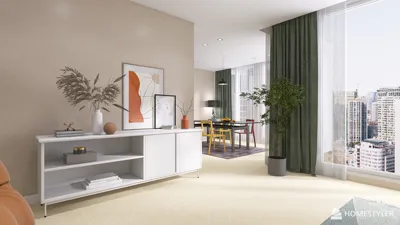


In the contemporary landscape, establishing a dedicated workspace within your home is crucial for maintaining focus and productivity. Whether you have a cozy alcove or an entire room, there are countless inventive methods to define your office area that can greatly improve your remote work experience. Here are some creative strategies to effectively set up your workspace, particularly if you're working with limited space.
Maximizing Storage with Built-in Cabinets
One effective approach to creating an organized office is through the use of built-in cabinets. These solutions not only conserve space but can also be tailored to cater to your unique storage requirements.
Opting for floor-to-ceiling cabinets can offer generous storage for documents, supplies, and books, all while minimizing floor space usage. This design creates a tidy and cohesive appearance, enhancing the spaciousness of your office.
When selecting materials for your cabinets, prefer robust choices like hardwood or engineered wood. These options are not only stylish but also durable enough to endure everyday use.
Floating cabinets present another fantastic alternative for compact areas. Positioned above your desk, they allow for convenient access to essential items, keeping your workspace neat and uncluttered.
Consider installing floating cabinets over your desk area to keep crucial items nearby, thus preserving valuable desktop space. This design also infuses a modern aesthetic into your office layout.
In small homes, hidden desk cabinets can be a game changer. These versatile units act as both a working desk and storage space, enabling you to work efficiently without needing a separate office room.
Although hidden desks effectively save space, they may lack the comfort of a conventional desk. Assess the advantages and disadvantages considering your work style and requirements.
Creating Interactive Zones for Creativity
Establishing distinct zones that foster creativity within your home can greatly enhance your productivity levels. Here are some ideas for layout segmentation:
Integrate a cozy reading corner adorned with a comfortable chair, adequate lighting, and a compact bookshelf. This space can serve as a perfect spot for brainstorming or unwinding during breaks.
Allocate a wall for inspiration boards or whiteboards where you can jot down thoughts, display images, or sketch out concepts. This dynamic area will help stimulate your creativity.
In Summary
Setting up a home office doesn't have to feel overwhelming. With intelligent storage solutions and interactive areas, you can construct a practical and motivating workspace tailored to your needs. Remember, working within small spaces offers opportunities for creativity and efficiency rather than limitations.
Frequently Asked Questions
Q: What strategies work best for designing a compact home office?
A: The most effective approach includes selecting multi-functional furniture, leveraging vertical storage options, and ensuring adequate lighting is present.
Q: How can one optimize space within a small office?
A: Employ built-in furniture, floating shelves, and concealed storage solutions to maintain organization within the area.
Q: What color schemes are preferable for a home office?
A: Light and neutral tones can create an illusion of space, while bold accent colors might encourage creativity.
Welcome to Homestyler—the premier office design software for all your workspace needs!
Zaprojektuj teraz za darmo
































