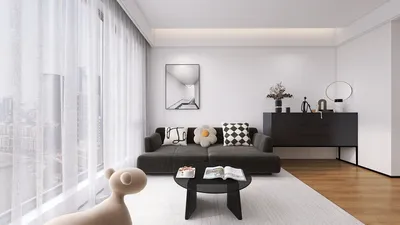


A client once requested a solution to conceal their cluttered cords and an awkwardly positioned TV area with something that not only resembled artwork but also functioned as storage — this led to my fondness for half wall panelling. I quickly discovered how effective a half wall can be in anchoring a seating space, obscuring unsightly items, and lending a curated aesthetic to a cozy living room. For efficient planning, I frequently create intricate layouts to give clients a visual representation of how the piece will occupy the space before we finalize our decisions.
1. Low storage bench with tongue-and-groove panelling
In a studio where the sofa faced the kitchen, I transformed the half wall into a shallow bench offering under-seat storage, adorned with vertical tongue-and-groove panels that face the living area. This not only adds a textural element but also provides a convenient spot for throws and remote controls, giving the impression of built-in furniture.
Using materials like MDF or pine, coupled with paint, makes this approach budget-friendly; however, careful planning is essential for the doors and hinges to avoid squeaks. I always prototype the depth to ensure the bench maintains good circulation without crowding the space.
save pin
2. Painted contrast panel with floating shelf
One of my favorite designs involves painting the panelling a rich hue and incorporating a slim floating shelf on top — it's an instant eye-catcher and an ideal shelf for small plants. This simple trick elevates a low-cost half wall, making it feel bespoke and design-oriented.
However, using a darker color can make a small room feel even smaller, so I counterbalance this with mirrors or lighter accents. I once revitalized a space by introducing warm wooden elements, which softened the stark contrast.
save pin
3. Half wall as low room divider with inset lighting
If you need to separate spaces without obstructing light, a low divider equipped with cove or strip lighting along the top edge does wonders. I envisaged a project where the half wall distinctly marked the living area, and the lighting effect enhanced the spatial perception during nighttime — I often create mock-ups during planning to evaluate the glow and height effortlessly.
While this option is slightly pricier due to the wiring involved, the aesthetic and functional gains are significant. When planning placements close to the kitchen, considering the kitchen's workflow is crucial to avoid obstructed sightlines and cramped preparation spaces.
save pin
4. Recessed shelving and panel combination
Integrating recessed niches within a half wall allows for a seamless display of books and decor without adding bulk. I implemented this design in a compact 60 square meter apartment where every centimeter counted; the niches acted as showcases while the panelling harmonized the entire feature.
Making precise cuts into the wall requires skill and often a structural inspection, but the outcome is a refined, custom appearance that feels luxurious. I recommend using shallow shelves and consistent lighting within the niche for a polished look.
save pin
5. Decorative moulding and low rail for classic charm
For a traditional home aesthetic, incorporating half wall panelling with moulding and a low rail adds immediate character. I once blended classic paneling with a mid-century sofa — the resulting juxtaposition felt intentional rather than overly matched.
To visualize proportions and spacing effectively, it helps to view the concept in 3D, allowing for adjustments in height and profile; I typically encourage clients to explore it in a 3D format before placing any orders for mouldings. While there’s additional effort with cutting and caulking, the tactile results are undeniably rewarding.
save pin
FAQ
Q: What is the ideal height for a half wall in a living room?
I generally target heights ranging from 36 to 42 inches (90 to 105 cm), depending on the sofa height and overall sightlines. It's beneficial to create cardboard mock-ups to verify how it will visually present in your space.
Q: What materials are best for panelling?
Common options include MDF, pine, and plywood; while solid wood adds warmth, it tends to be more costly. In moisture-prone areas, opting for moisture-resistant boards and applying a good sealant is essential.
Q: Is it possible to integrate electrical elements into half wall panelling?
Absolutely — recessed lighting, strip lights, or outlets can be added, though it's important to factor in the costs of an electrician and ensure safe routing. It's wise to plan for access panels for any future modifications.
Q: Will a dark-painted half wall give my room a cramped feel?
While dark colors can promote a cozy ambiance, they might visually diminish space if not balanced with brighter ceilings and reflective elements. Always test samples and observe them from different angles throughout the day before making a commitment.
Q: Is panelling an approachable DIY project?
Flat panelling and painting can be very DIY-friendly; however, intricate mouldings, recessed niches, or electrical installations are best left to professionals. I advise practicing cuts on scrap material beforehand.
Q: How much budget should I allocate for this project?
Costs fluctuate: basic painted MDF panels can be quite economical, while custom woodwork and electrical work will elevate the financial requirement. It's prudent to obtain at least two estimates and consider a phased budget to ease the expense.
Q: Are there environmentally sustainable options for panelling?
Yes — selecting sustainably sourced wood or FSC-certified materials alongside low-VOC paint can lessen ecological impacts. For recommendations on healthy materials and finishing techniques, check out the American Society of Interior Designers (ASID) at https://www.asid.org for best practices and resources.
Q: How should I care for installed panelling?
Regular dusting and cleaning painted surfaces with a damp cloth are key; avoid using abrasive cleaners. For wooden panels, utilize suitable wood cleaners and consider re-sealing every few years as necessary.
save pin
Homestyler is an exceptional online home design platform perfect for anyone looking to create their dream space. With its user-friendly design tool, stunning 3D renderings, inspiring design projects, and helpful DIY video tutorials, transforming your home has never been easier or more enjoyable!
Diseño ahora GRATIS
































