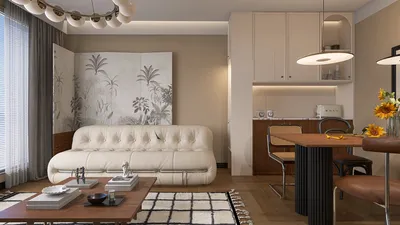


As a seasoned interior designer with more than ten years of experience, I've witnessed various trends fade away, yet one that continues to thrive is the combination of green and white in living rooms. This color duo feels both classic and modern. I firmly believe that compact spaces encourage expansive creativity, particularly when utilizing a flexible color palette like this one. In this article, I will present 10 inventive green and white living room concepts drawn from my own projects, alongside valuable design tips to help you craft a bright, open, and expressive space using tools like Homestyler.
Timeless Sage and White Harmony
My Experience: I once transformed a city studio by using sage green walls and vibrant white trim, which instantly lifted the room's mood. The space shifted from dark to bright while retaining a comfortable feel.
Advantages: Sage is a soft green that's visually soothing, pairing wonderfully with bright white. Research indicates that muted greens like this promote relaxation and concentration.
Disadvantages: Sage may appear drab in poorly lit spaces; I discovered this when a north-facing room lacked the necessary lighting, leading to a flat look.
Suggestion: Incorporate brass or gold decorative elements to warm up the color scheme — this pairing does wonders against sage and white.
Emerald Feature Wall
My Experience: A client in a loft demanded a dramatic touch without overwhelming the area, so we opted for a single emerald green accent wall. It added depth to the room while maintaining plenty of breathing room.
Advantages: An emerald accent wall captures attention, complements minimalist furnishings effectively, and enhances the perception of space.
Disadvantages: Excessive emerald can feel oppressive; I typically avoid fully painting several walls in smaller spaces.
Emerald accent walls with clean white trims can be easily envisioned before making a final paint decision, particularly with design software like Homestyler.
Botanical Art Against White
My Experience: I enhanced a client's white living room by introducing large botanical prints, effectively bringing the outdoors inside without needing live plants.
Advantages: This approach fosters a natural feel, suits various design styles, and requires less upkeep compared to real plants.
Disadvantages: Oversized prints or too many pieces can create a sense of chaos.
Olive Green Couch
My Experience: In a snug condo, an olive green sofa set against white walls became an ideal focal point without making the room feel confined.
Advantages: This color works beautifully in both modern and rustic settings; olive is also better at hiding stains than lighter shades.
Disadvantages: It can be tricky to match olive with brighter colors; it pairs best with neutrals or natural wood tones.
Green Trim with White Walls
My Experience: Flipping the norm, I painted the trim in a moss green, with the walls remaining white — a surprisingly fresh and unconventional look.
Advantages: This choice infuses subtle character without overwhelming the senses, allowing architectural features to stand out.
Disadvantages: Regular repainting is necessary since scuffs on trim tend to be more noticeable.
Indoor Greenery Corner
My Experience: I created a vibrant plant corner with various greenery in white pots, which also served as a refreshing nook within the living area.
Advantages: Indoor plants improve air quality, as supported by research from NASA, and foster a serene atmosphere.
Disadvantages: Plants require consistent care and appropriate lighting; they may not be suitable for low-light settings.
Arranging plant heights in a corner can balance out the visual impact of green and white elements.
Minimalist Scandinavian Style
My Experience: One student rental I redesigned featured minimal space; a white base with subtle green accents preserved an airy, clean aesthetic.
Advantages: This style is timeless, budget-friendly, and simple to refresh with decorative pillows or throws; it's particularly effective in tight apartments.
Disadvantages: Without the addition of textures or wooden elements, the space can feel too sterile.
Wainscoting in White, Top Walls in Green
My Experience: This design infused charm and character into a suburban living room while keeping the ambiance light.
Advantages: This technique breaks monotony, adds distinction, and protects lower wall sections.
Disadvantages: Professional carpentry is often needed for optimal results, which can inflate costs.
Previsualizing wainscoting height and proportions can help you avoid expensive mistakes.
Geometric Green and White Rug
My Experience: I have found that rugs can set the mood quite effectively; using a striking green-and-white rug once revitalized an otherwise neutral room.
Advantages: Instantly refreshes a space; rugs are easily replaced for low-commitment style updates.
Disadvantages: Bold patterns can overpower the room; balance them with simple furniture choices.
Soft Mint with Light White Drapes
My Experience: I painted the walls in a gentle mint shade and paired them with sheer white curtains, creating a light, airy atmosphere reminiscent of spring.
Advantages: This combination beautifully reflects light and enhances brightness; mint complements both kids' and adult spaces.
Disadvantages: It may clash with warm-toned décor; better suited for cooler or neutral accents.
Final Thoughts
A small living area doesn't imply limited creativity. In fact, the green and white color scheme proves otherwise. With careful designs, textures, and a balance of impactful and subtle accents, you can achieve a warm and inviting space. As noted by Architectural Digest, employing color zoning in smaller rooms increases both functionality and style. Which of these innovative ideas utilizing Homestyler would you be eager to try out?
Frequently Asked Questions
1. Why opt for a green and white living room?
This classic scheme brings a refreshing, bright, and organic ambiance into any space.
2. What green hues work best in compact areas?
Lighter shades like sage or mint visually expand a space, especially when paired with generous natural illumination.
3. Is it possible to mix patterns in a green and white living room?
Absolutely, but try to limit the variety to keep the look cohesive — pairing a geometric rug with a subtle botanical print works well.
4. How can I prevent a green and white room from feeling chilly?
Incorporate warm metals, natural wood features, and textured fabrics for added coziness.
5. Are indoor plants essential for this style?
Not necessarily, but they enhance the natural atmosphere and improve air quality as indicated by NASA's findings.
6. Is emerald green too dark for smaller areas?
It can be used effectively as an accent wall or in minor elements — just balance it with ample white.
7. Can I implement this color scheme in a rental?
Certainly — opt for removable wallpapers, rugs, and décor items to avoid lasting alterations.
8. How can I plan my living room layout online?
You can utilize design tools like Homestyler to visualize your furniture arrangement before moving heavy items.
Discover your dream space with Homestyler! This user-friendly online design platform offers an intuitive design tool, stunning 3D renderings, and a wealth of inspiring design projects and video tutorials. Whether you're a beginner or a seasoned designer, Homestyler makes home design enjoyable and accessible for everyone.
지금 무료로 디자인하세요
































