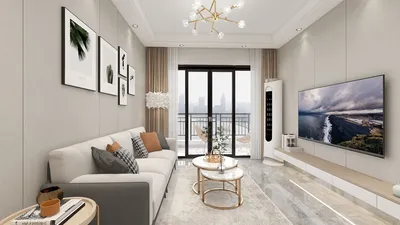


As an interior designer over the past ten years, I've witnessed firsthand how a seemingly simple choice, such as selecting a gray sectional, can dramatically alter the ambiance of a living room. Currently, trends in interior design are leaning towards muted tones and versatile furniture options. In smaller spaces, it's typically our innovative ideas that yield the most significant transformations. This article will explore ten creative gray sectional living room designs, drawing from my experiences, client stories, and expert insights to showcase the remarkable adaptability of this furnishing piece, often enhanced with tools like Homestyler.
1. Minimalist Style with Textured Throws
My Experience: I styled a compact 500 sq ft apartment where the gray sectional served as the central piece for a minimalist living area. Incorporating textured throws ensured the room felt inviting without becoming cluttered.
Benefits: Ideal for compact living spaces; a neutral gray sectional paired with subtle accents enhances openness and light, aligning perfectly with current small space interior design preferences. You can also adapt the textures according to the seasons.
Drawbacks: Without any variation, the space may feel somewhat flat; excessive gray nuances can render the area overly cool in appearance.
Advice: Experiment with layered neutral textiles made from diverse materials such as linen, knits, and faux fur to bring warmth to the design.
2. Warm Accents with Wood Elements
My Observation: One client paired their gray sectional with a reclaimed oak coffee table, which instantly introduced warmth, balancing the cooler tones of gray.
Advantages: This combination adds coziness, improves the comfort level, and cultivates a Scandinavian aesthetic. Based on the Houzz 2023 design report, blending wood tones with neutral sofas ranks among the top homeowner favorites.
Disadvantages: Wood surfaces require upkeep; any spills or scratches can be quickly visible.
Tip: Opt for a sealed wood finish to enhance durability and explore our range of wood accents that add warmth for further inspiration.
3. Monochrome with a Pop of Artwork
My Insight: For a bachelor client seeking sophistication, we chose a monochrome gray palette and introduced a vibrant abstract art piece above the sectional, which added immediate drama.
Benefits: This approach maintains elegance while allowing color accents to serve as focal points without taking up floor space.
Drawbacks: Careful selection of artwork is necessary; a mismatched tone can disrupt the visual balance.
Advice: Incorporate gallery-style lighting to accentuate the artwork without overwhelming the seating area.
4. Cozy Corner with Layered Rugs
My Suggestion: Layering rugs beneath a gray sectional can anchor a room and provide a plush, lived-in sensation, particularly effective in rentals where painting isn’t an option—a game changer.
Advantages: This method adds warmth, defines different areas, and conceals flooring imperfections, offering an affordable way to refresh a space without major renovations.
Disadvantages: Requires regular cleaning and can pose a trip hazard if not arranged correctly.
5. Open-Plan Flow with Modular Sections
My Take: In open-concept apartments, employing a modular sectional effectively separates seating from dining areas without constructing walls.
Advantages: Highly adaptable; you can rearrange sections for varying layouts or occasions, making it perfect for changing lifestyles.
Disadvantages: Modular sets may come at a higher cost than traditional options; pieces might shift unless secured.
Advice: Select slimmer armrests or armless sections for a more open aesthetic. Discover how an L-shaped configuration can optimize counter space throughout your home.
6. Bright Contrast with Colorful Pillows
My Approach: Colorful pillows are my go-to for clients who are reluctant to commit to colorful sofas. When combined with a gray sectional, they provide vibrant seasonal updates.
Benefits: An economical choice that’s easy to change and instantly alters the room’s atmosphere.
Drawbacks: Overwhelming patterns can clutter a smaller space.
Advice: Stick to a consistent color scheme for a harmonious appearance.
7. Industrial Look with Metal Accents
My Experience: In a loft project, I matched a charcoal gray sectional with black iron shelving and exposed bulb lighting to craft a perfect industrial aesthetic.
Advantages: Durable, edgy, and visually appealing for online listings.
Drawbacks: Metal accents can feel cold; not ideal for families wanting a softer atmosphere.
8. Soft Glam with Velvet Cushions
My Insight: Velvet paired with a gray sectional imparts a lush vibe without being overly glamorous. We integrated blush and jewel hues for a comfortable glam effect.
Advantages: Velvet adds richness and texture, creating a delightful tactile experience on cozy movie nights.
Drawbacks: Tends to attract lint and pet hair; may necessitate more frequent cleaning.
9. Gallery Wall for a Personal Touch
My Idea: A gallery wall of personal photographs arranged above a gray sectional adds instant warmth and narrates your story.
Benefits: Highly personal, cost-effective, and endlessly adaptable.
Drawbacks: Can appear disorganized if not well-curated; measuring and alignment skills are key.
Advice: Use matching frames for a cohesive look. Discover additional charm from glass backsplashes to brighten up kitchens for similar reflective effects in other spaces.
10. Plant Styling for Fresh Energy
My Observation: Incorporating plants around or behind a sectional invigorates the space and can enhance air quality—particularly effective near sunny windows.
Advantages: Affordable, health-enhancing, adds life; this aligns with biophilic design trends.
Drawbacks: Requires regular maintenance; not all plants thrive in low-light conditions.
Advice: Opt for low-maintenance varieties such as snake plants or pothos.
Conclusion
Ultimately, a gray sectional is much more than just a piece of furniture; it serves as a blank canvas for your design creativity. Particularly in compact settings, smart design choices emphasize innovation instead of limitation. The American Society of Interior Designers highlights that adaptable furnishings remain a top strategy for optimizing small living areas. Which of these ten ideas featuring gray sectionals would you be inclined to try first, especially with tools like Homestyler at your disposal?
FAQ
1. Is a gray sectional sofa suitable for small living rooms?
Yes, its neutral tone can create a spacious feel and easily integrate into various color themes.
2. What colors complement a gray sectional?
Rich woods, vibrant jewel tones, and pristine whites work beautifully with gray. According to Houzz, layering neutral tones with one bold hue is currently in vogue.
3. How can I style a gray sectional for a contemporary appearance?
Focus on clean lines, minimal accessories, and perhaps a single statement art piece for emphasis.
4. Can I incorporate a gray sectional in an open-concept area?
Definitely—modular designs fit well to distinguish spaces without erecting walls. Explore our kitchen layout suggestions for similar zoning ideas across different rooms.
5. What can brighten a room that features a dark gray sofa?
Incorporate light rugs, vibrant pillows, reflective surfaces, and warm lighting to lighten the overall tone.
6. What materials pair well with an industrial gray sectional setup?
Metal accents, reclaimed wood, and exposed brick cultivate a cohesive industrial look.
7. Are gray sectionals challenging to maintain?
Not at all — many feature stain-resistant fabrics, and spot cleaning often suffices.
8. Is a gray sectional a timeless choice?
Absolutely, its versatility and neutral appeal ensure its stylistic longevity amidst evolving design trends.
Homestyler is your go-to online home design platform! With its user-friendly design tool, stunning 3D renderings, and a wealth of DIY video tutorials, you can easily create and visualize your dream spaces. Dive into exciting design projects and transform your home today!
Progetta ora GRATIS
































