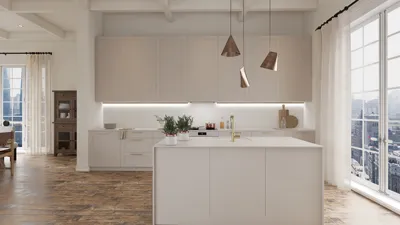


I still chuckle about the moment when a client insisted on a ‘moody jungle vibe’ for their living room. I arrived with paint samples and a digital design plan that transformed the concept into something akin to a boutique hotel lounge. That digital mockup not only saved us both from potential chaos but also reinforced my belief that a successful feature wall begins with a thoughtful plan rather than mere bravado. Leveraging tools like Homestyler can greatly aid this planning process.
Small areas often ignite immense creativity. Over the past decade, I've gathered insights on which strategies yield the most significant aesthetic returns. Here, I present five feature wall concepts from my projects, alongside candid reflections on budget considerations and possible challenges, helping you determine what complements your home best.
1. Deep, enveloping paint with a high-gloss accent
I love utilizing a rich, dark color on one wall while keeping the other surfaces neutral; it’s an effort that is both economical and dramatic. A key lesson I learned is to finish any slim trim or inset with a glossy paint, allowing light to dance across the surface — resulting in a modern and surprisingly luxurious feel. Using tools like Homestyler to visualize this application can simplify the decision-making process.
Why consider this: it’s low-cost and creates instant drama. Caution: dark hues might make a compact space feel even smaller if used on every surface, and glossy finishes can reveal imperfections; hence, preparation is crucial.
save pin
2. Vertical wood slats for texture and warmth
Incorporating wood slats can introduce rhythm and depth without overwhelming the room. I once installed oak slats behind a sofa, and my clients couldn't stop running their hands over them. They not only impart warmth and conceal flaws but also serve as a mounting surface for minimalist shelves or TV brackets. Models in Homestyler can help visualize these options seamlessly.
Why try this approach: it enhances acoustics and provides a tactile focal point. Drawbacks: costs and installation times exceed those of paint, plus you need to consider moisture and finish choices in sunlit spaces.
save pin
3. Cohesive gallery wall with mixed frames and strategic lighting
Crafting a curated gallery wall transforms chaos into purpose. I prefer to map out my setup in a mockup to ensure balanced spacing; if you wish to preview the effect before finalizing, a photo-realistic 3D rendering is invaluable — showing clients how dimensions and frame colors relate when viewed from the sofa. Utilizing Homestyler can facilitate this process efficiently.
Why adopt this idea: it's personal, budget-friendly, and endlessly adaptable. Downsides: it may appear cluttered without a unified palette or plan, and hanging artwork requires patience — always measure twice and hang once.
save pin
4. Built-in shelving with mixed materials
By blending open shelving, a recessed nook, and a contrasting back panel, you create both storage and display in one go. I had a small living space where built-ins replaced a bulky TV console, transforming the feature wall into something functional instead of just decorative. Tools like Homestyler can showcase various configurations easily.
Why implement this: it's smart for compact homes since it adds functional storage and serves as a focal point. Remember: custom carpentry is pricier and locks you into a specific design, whereas modular options can provide a similar aesthetic on a budget.
save pin
5. Bold wallpaper or mural as a statement backdrop
Wallpaper has dramatically improved — textured vinyls and peel-and-stick murals offer significant visual impact with the convenience of easy removal. I deployed a large-scale mural in a rental-friendly project, pairing it with calm furnishings; the outcome felt curated rather than chaotic. When considering options, software like Homestyler can produce AI-driven suggestions to streamline selections.
Why go for this: it adds immediate character and patterns without heavy construction involved. Keep in mind: the scale of the pattern is crucial in smaller spaces, and upscale wallpapers can be expensive, but temporary styles make experimentation low-risk.
save pin
Tips 1:
For quick wins: choose the wall opposite natural light for more depth, keep the surrounding walls neutral if opting for a busy pattern, and mock up your idea digitally using tools like Homestyler or tape samples onto the wall before finalizing your choice. Budget hint: combining paint with trim or peel-and-stick wallpaper provides the best look-to-cost ratio.
save pin
FAQ
Q: What exactly is a feature wall?
A: A feature wall, or accent wall, is purposely treated differently from the others within a room to create a focal point. This can be achieved through paint, textural elements, wallpaper, or architectural details.
Q: Which wall should I select for a feature?
A: Choose the wall your eyes naturally focus on upon entering, whether it’s behind the sofa, the fireplace wall, or the wall opposite windows. Steer clear of walls cluttered with doors or multiple entries.
Q: Is paint more economical than wallpaper?
A: Generally, yes. Paint is typically the budget-friendly option and simpler to change. Wallpaper provides unique patterns and textures that paint cannot replicate. For rentals, peel-and-stick wallpaper offers a good balance of impact and removability.
Q: How do I choose the right scale and pattern for small living areas?
A: Employ larger-scale patterns sparingly; small rooms benefit either from bold, large patterns on a single wall or subtle textures that convey depth. I always experiment with a sample panel or a full-scale mockup before making a commitment.
Q: Is it acceptable to mix materials like wood and paint on one feature wall?
A: Absolutely! Mixing materials introduces sophistication and depth. Just ensure a consistent color story and repeat at least one material or hue elsewhere in the room for cohesion.
Q: Are feature walls advantageous in rental properties?
A: Yes! Temporary solutions such as peel-and-stick wallpaper, removable panels, or framed murals deliver high impact without damaging surfaces. According to data, removable wallpapers and decals are becoming more popular among renters for this very reason.
Q: How long does it typically take to install a wood slat wall?
A: For a smaller living room accent wall, a professional installation usually spans one to three days, depending on preparation and finishes. DIY kits can accelerate the timeline but allow extra time for accurate layout and sanding.
Q: What’s the simplest way to test a color or pattern before making a decision?
A: Either paint large swatches on the wall or order sample panels for wallpaper and view them at various times of the day. Digital mockups help, but physical samples reveal true texture and how light affects your choices.
save pin
Discover your dream home with Homestyler! This user-friendly online design platform offers an intuitive design tool, stunning 3D renderings, and a wealth of DIY video tutorials. Whether you're a beginner or a pro, Homestyler has everything you need to create beautiful spaces effortlessly.
Progetta ora GRATIS
































