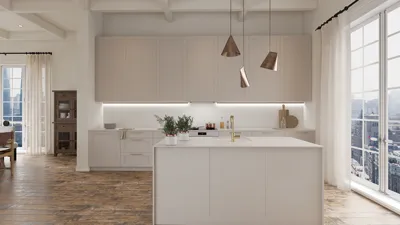


I often find myself chuckling when I recall a client who asked me to "paint with a feather duster"—a technique her grandmother used back in the 70s. I gave it a try, and although I almost created a flocked fiasco, I eventually refined this method into something reliable. This delightful mishap taught me that small experiments in design can lead to significant breakthroughs. In fact, there’s an actual room example where a textured wall became the focal point of the space, showcasing the power of creative approaches like those offered by Homestyler.
When dealing with tight spaces, you’re often compelled to think outside the box: just one textured wall can introduce depth, conceal imperfections, and modify the overall mood without breaking the bank. Here, I'll share five inspiring examples of feather duster painting techniques I've implemented in real-life projects—complete with quick tips, budget considerations, and the minor hurdles I've learned to navigate, all powered by the intuitive design features of Homestyler.
1. Gentle Stipple Accent
Using a feather duster, I apply a light stippling technique with diluted paint, creating a delicate, almost watercolor-like texture on an accent wall. This method provides a forgiving surface that effectively conceals minor drywall imperfections; however, it can be tricky to manage the pressure—too much force might leave a spotty appearance. My advice is to practice on cardboard, utilize a 30% paint-to-water mix, and layer your applications for that extra depth.
2. Vertical Feather Strié
By pulling the duster in consistent vertical motions with a slightly thicker paint, you can achieve a strié finish that visually elongates ceilings in limited spaces. This technique is particularly beneficial for low-ceiling apartments, creating the illusion of taller walls without any structural modifications. It takes patience to keep the strokes uniform, so I recommend dividing the wall into sections to help maintain that rhythmic flow.
save pin
3. Two-Tone Ombre Effect
For a whimsical nursery or standout feature wall, begin with a base color and sweep a lighter hue from the top down using the duster, blending as you progress. The gentle transitions feel handcrafted and inviting, making it a cost-effective choice. However, achieving color uniformity later can prove challenging, so document your mixing ratios and take photos between each coat for reference.
save pin
4. Metallic Glint
Combine a touch of metallic glaze with a clear medium and lightly feather it over matte paint to create a soft sheen that changes with the light. This subtle sparkle adds elegance and is quite forgiving, especially in narrow corridors. One downside is that metallic glazes can get pricey, so I suggest testing a small area first and applying it sparingly to highlight specific features.
save pin
5. Stencil and Duster Fusion
I often merge a feather duster technique with stenciling: I apply the main pattern using traditional methods, then soften the edges and add texture with the duster for a more lived-in feel. This approach allows for visual richness without the heavy-handedness of extensive stenciling. While it requires more effort, the result can appear custom-made even on a budget—check out a detailed plan I used to coordinate patterns with room layouts in one of my designs.
save pin
Tips 1:
Start with small areas: always test on a large piece of cardboard or an extra board. Opt for washable paints for initial tries, keep a damp cloth at arm’s length for quick fixes, and remember that layers of translucency often yield a richer appearance than a single heavy coat. If you’re contemplating this for a kitchen backsplash or high-moisture zones, consider using paints designed for higher washability, available through platforms like Homestyler.
save pin
FAQ
Q1: Are feather duster-painted finishes durable?
A1: When finished properly with a suitable topcoat, feather duster techniques can be surprisingly durable in living areas and bedrooms. However, avoid using unsealed delicate finishes in high-traffic or moisture-prone areas.
Q2: What sheen is best for paint?
A2: A matte or eggshell finish works well for base coats, with optional satin or semi-gloss glazes to enhance durability and add a subtle sheen. Lower sheens are typically better at hiding imperfections, making them ideal for textured techniques.
Q3: Is this technique suitable for kitchens?
A3: Yes, it works wonderfully for a feature wall located away from splashes; for areas close to cooking zones, choose washable, low-VOC paints along with a protective clear coat. In one instance, I referred to a kitchen design to guarantee that the texture complemented the cabinetry, a strategy made easier with Homestyler's visual toolset.
Q4: How should I maintain feather duster painted walls?
A4: Lightly dust with a soft cloth; for any stains, use a mild detergent solution and dab rather than scrub. Applying a protective topcoat considerably simplifies maintenance.
Q5: Is this painting method eco-friendly?
A5: It can be—opt for low-VOC or water-based paints and minimize waste by starting with small samples. Ensuring proper ventilation during painting also helps to lower indoor pollutants.
Q6: How much time should be planned for this project?
A6: Small accent walls may take just a few hours, including drying time between layers; however, intricate multi-layer textures might require an entire weekend. Remember, patience is key—rushed jobs often reveal their flaws.
Q7: Can beginners achieve professional-level results?
A7: Absolutely! By practicing on a sample board, controlling your paint load, and layering effectively, even novice decorators can produce charming results. Many of my clients were delighted with the artisanal feel, even if I admitted it started as a DIY trial.
Q8: Are there safety or health considerations?
A8: Always use low-VOC paints and ensure good airflow. For comprehensive information on indoor air quality and paint selections, refer to the EPA guidelines available here: https://www.epa.gov/indoor-air-quality-iaq.
save pin
Homestyler is your go-to online home design platform! With its user-friendly design tool, stunning 3D renderings, and a wealth of inspiring design projects and DIY video tutorials, you can effortlessly turn your home design dreams into reality. Get started today!
Progetta ora GRATIS
































