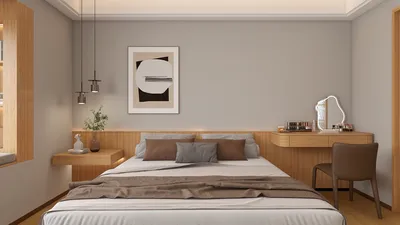


Once, a client requested that I recreate the Milky Way right above their bed — without any visible wires. I spent an entire afternoon experimenting with adhesive hooks, battery-operated strands, and an overly ambitious glue gun project that ended with glitter on my jeans, but ultimately taught me a lot about achieving a balance between creative whimsy and safety. If you’re tackling a small space, that balance is truly where the most innovative ideas emerge; creating a quick visual mockup allowed me to avoid any potential ceiling 'constellation' collapses.
1. Ceiling Canopy — The Starfield Illusion
Using string lights cleverly concealed within a soft fabric canopy can transform a small bedroom into a personal planetarium. This solution is romantic, budget-friendly, and perfect for renters as it employs removable hooks. The trade-off is a slight reduction in headroom and the necessity of selecting low-heat, LED strands to prioritize safety.
I once revamped a narrow loft by suspending a sheer canopy and attaching battery-powered LEDs along its edges; the warm glow beautifully addressed the need for ambiance without relying on harsh overhead lighting.
save pin
2. Headboard Halo with Dimmable Lighting
Positioning a strip of warm LED lights behind a headboard can create a subtle halo effect; it’s soft, ideal for reading, and cleverly conceals unsightly cords. However, it’s wise to incorporate a dimmer or multiple brightness levels since what feels cozy in the evening may be inadequate for tasks like putting on socks during the day.
Pro Tip: Employ adhesive cable channels to keep cords organized and avoid any drilling into plaster, which is particularly advantageous for renters.
save pin
3. Clip-and-Display Gallery on a Shelf
Merge fairy lights with mini clips to display postcards, photographs, and pressed flowers along a narrow shelf — this creates instant personality without imposing bulky frames. It’s perfect for compact walls, though be mindful that heavier items can pull down the lights, so opt for lightweight decor and secure the clips; I once designed a cozy sleep nook for a client using this technique to maintain balance and comfort.
This approach is both budget-friendly and simple to update seasonally, but it’s important to test the clips before committing to a longer run of lights.
save pin
4. Mirror Backlighting for Added Depth
Placing a slim strand of lights behind a mirror can enhance depth and visually enlarge the space — especially effective when positioned opposite natural light. This technique offers a luxurious feel on a budget, but caution is needed regarding heat buildup and condensation near mirrors in bathrooms.
In one project, I used warm white LEDs behind an IKEA mirror, and it immediately made the room feel significantly larger; a minimal investment led to a substantial benefit.
save pin
5. Layered Lighting Zones with Color Accents
Consider fairy lights as just one layer in a three-part lighting strategy encompassing ambient (string lights), task (desk lamp), and accent (spotlight or puck light). Combining warm fairy lights with a cooler task lamp retains functionality while maintaining a cozy atmosphere. If you enjoy experimenting, why not conduct a quick 3D lighting trial before making any permanent installations? It saved me both time and paint in several projects.
This method requires some forethought and attention to power sources, but it helps avoid the frequent mistake of depending on a single lighting source that either overwhelms or underwhelms the space.
save pin
FAQ
Q1: Are fairy lights safe for bedroom use?
I advocate for LED fairy lights as they operate at cooler temperatures and use less energy than traditional incandescent strands; it's crucial to follow the manufacturer’s guidelines and steer clear of any damaged wiring.
Q2: Can I leave fairy lights on all night?
Occasionally yes, but exercise caution with older or non-LED fairy lights left unattended for extended periods; utilizing timers and modern LED solutions can mitigate risk and conserve energy.
Q3: How do I conceal cords without drilling?
Consider using adhesive cable channels, 3M hooks, or simply hiding cords behind furniture. For renters, opting for removable products can be a game-changer — I rely on these in nearly all my projects.
Q4: What types of lights create the coziest ambiance?
Warm white LEDs (ranging from 2700K to 3000K) tend to be more inviting than cooler options. Dimmable lights also provide versatility, making them suitable for both reading and relaxation.
Q5: What should I consider when choosing between battery and plug-in lights?
Battery-operated lights offer flexibility and help minimize cord clutter, but be prepared to replace batteries; on the other hand, plug-in lights are typically less expensive to operate over time and more dependable for larger setups.
Q6: How can I prevent damage to paint from adhesives?
It’s wise to first test removable hooks in a discreet area and select products that are specifically marked as safe for painted surfaces; when in doubt, consider using tension or furniture-secured solutions as alternatives.
Q7: Where can I find reliable safety information regarding decorative lights?
For trustworthy safety recommendations, check the guidance provided by the U.S. Consumer Product Safety Commission concerning decorative lighting: https://www.cpsc.gov/Safety-Education/Safety-Guides/holiday-safety/holiday-lights.
Q8: Can fairy lights be suitable for very small rooms?
Absolutely! They can transform a compact room into a layered, inviting space. The key lies in scale: utilize shorter strands, avoid overcrowding walls, and couple the lights with one or two functional light sources for balance.
save pin
Homestyler is your go-to online home design platform, perfect for anyone looking to create stunning interiors. With its user-friendly design tool, impressive 3D renderings, and a wealth of DIY video tutorials, transforming your space has never been easier. Start designing today!
Design Now for FREE
































