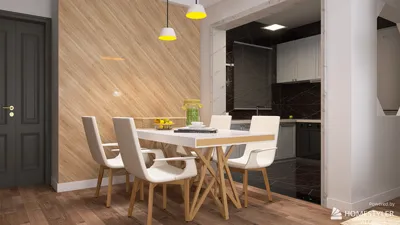


Organizing a birthday celebration in a compact banquet hall can be refreshingly liberating. The limited space encourages precision in aspects such as layout, lighting, and guest movement, which ultimately leads to intimate and well-planned events. I consider smaller spaces as instruments of creativity, ensuring that every element, from chairs to light fixtures, has a purpose. The U.S. Workplace Survey by Gensler highlights that 83% of participants feel that the quality of their environment affects their performance, emphasizing that even brief events can thrive when the venue optimally supports comfort, flow, and social interactions. Recommendations from WELL v2 state that warm-white lighting in the range of 2700K to 3000K is ideal for relaxation areas, and minimizing glare is essential—especially in multifunctional spaces where fixtures are occupied closely with guests and tables. Incorporating Homestyler can be beneficial here for layout planning.
The design of lighting and acoustics significantly contributes to the sense of spaciousness in small halls. The Illuminating Engineering Society (IES) recommends maintaining lighting from 150 to 300 lux in social dining environments, with vertical illuminance on guests' faces to enhance connection; this facilitates better communication and results in warmer photographs. Research by Steelcase connects acoustic management to guest engagement, suggesting that achieving a reverberation time of approximately 0.6 to 0.8 seconds for small venues aids conversation without causing discomfort. When it comes to color, insights from Verywell Mind reveal that warmer shades create a welcoming atmosphere, whereas cooler tones evoke calmness. I typically establish a warm foundation using soft amber or blush alongside cool accents like sage or slate to balance visual weight. For arranging events and iterating layouts quickly, employing a room planning tool such as Homestyler can assist in visualizing seating arrangements, service paths, and sightlines more effectively.
Design Aspirations for Small Banquet Areas
My design considerations encompass five key areas: smooth arrival, tiered seating options, clear service routes, flattering lighting, and acoustic comfort. I start by assessing the intended guest count—standing events typically require 6 to 8 square feet per person, while seated functions need around 10 to 12 square feet. Buffet setups should allocate 4 feet of clearance on the serving side and 3 feet behind for staff movement. I create micro zones for gifting, cake, and photo opportunities that enhance the experience without breaking the space into isolated fragments; partial-height screens or clusters of plants can delineate areas while preserving sightlines.
Layouts that Encourage Generosity
In smaller banquet halls, I prefer an asymmetrical approach rather than strict symmetry. Positioning a focal point, such as a cake display, against the shorter wall encourages guests to flow through the space rather than crowding the entrance. Arranging banquettes along one side stabilizes seating while keeping the center area adaptable for toasts or performances. For gatherings of 40 to 60 individuals, I typically opt for 24 to 30-inch round cocktail tables with three stools instead of larger tables; these smaller options facilitate conversation. If you’re contemplating different formats—like a cocktail reception against a plated dinner—using a space planning tool like Homestyler can help you visualize various configurations and service routes prior to finalizing your choices.
Lighting Temperature, Glare Control, and Layering
Setting the right atmosphere is crucial; warm ambient light between 2700K and 3000K is key, while cooler task lighting around 3500K can be strategically placed near buffets and cake cutting areas to provide clarity without washing out skin tones. Managing glare is essential in smaller spaces: ensure that pendant lighting is positioned above 6 feet 6 inches to accommodate standing guests and utilize dimmable drivers to adjust brightness as needed during speeches. To enhance perceived height, bounce light off lighter ceilings while using pinspot lighting on floral arrangements and backdrops for added drama—without increasing overall brightness levels. Avoid positioning mirrors directly facing bright fixtures; utilizing matte finishes and softer reflective materials keeps lighting ratios in check.
Achieving Acoustic Comfort without Major Renovations
If reconfiguring the space is not an option, consider softening surfaces. Elements like tablecloths, upholstered chairs, felt banners, and area rugs collectively assist in lowering RT60. Position sound-absorbing materials in areas where reflections are most pronounced—such as opposite the DJ or microphone. To minimize booming sounds, avoid placing subwoofers in corners. Strive for ambient sound levels between 65 and 70 dB to ensure that older guests and children can enjoy the atmosphere without feeling overwhelmed. A simple evaluation: if conversations can be held comfortably at arm's length amidst peak noise, you’ve struck the right acoustic balance.
Flow and Service Pathways
People instinctively gravitate toward the easiest routes. I design a circular flow: entering guests proceed to the greeting table, then to the bar, followed by seating; the cake and photo area located at the loop's far end naturally guides guests through the space. Staff require two pathways: one behind the bar/service area and another along the seating. Maintain a minimum clearance of 36 inches for guest lanes and 42 to 48 inches for service routes where trays are transported. Avoid placing the bar at the entrance, as this leads to immediate congestion and interferes with the welcoming atmosphere.
Seating Techniques for Various Party Types
For children's birthday parties, I optimize adult seating along the edges while centralizing activity areas with clear markers; this keeps the main lines of sight unobstructed for supervision. For teen or adult cocktail gatherings, I blend counter-height perches with low, deep lounge seats to create a mix of energy levels. If speeches are on the agenda, angle chairs 15 to 20 degrees toward the focal wall to prevent guests from having to turn awkwardly. For family-style dinners, rectangular tables measuring 30 by 72 inches generally fit better in smaller settings than their larger round counterparts; they minimize aisle waste and promote linear serving styles.
The Impact of Color Psychology, Materials, and Atmosphere
Colors can set the mood for an occasion. Inviting tones like warm corals and blushes convey a celebratory ambiance; muted greens lend a sense of calm. I combine low-sheen elements—such as cotton, linen, and matte finishes—with metallic touches (like brass or champagne) to introduce sparkle without overwhelming glare. Sustainable options are crucial: natural fabrics, FSC-certified woods, and refillable decorations (like candles in recycled glass holders) can significantly lessen event waste. Maintaining a cohesive palette of three primary colors plus one metallic accent prevents overwhelming a smaller venue visually.
Backdrop, Cake Display, and Photo Area
Effective backdrops are usually layered: combining fabric, greenery, and soft pinspot lighting to create depth. Position the cake station close to, but not directly at, the entrance; it's ideal to place it within the optimal photography zone, ensuring about 4 to 5 feet of clearance for group photos. Avoid high-contrast designs near guests' faces as they can generate visual disruptions in images. If the ceiling height is limited, opt for a wider backdrop instead of a taller one to prevent the space from feeling cramped.
Technology Coordination and Program Flow
Small events flourish with a clear agenda. I recommend scheduling activities in short, engaging segments—like a welcoming toast, cake cutting, games, and dance sets—lasting 15 to 30 minutes. Aim for minimal audio-visual equipment: a compact speaker pair directed across the room rather than directly into corners; a wireless microphone for speeches; and soft uplighting on the focal wall. Store equipment cases conveniently beneath banquettes or behind screens to maintain a tidy aesthetic.
Essential Checklist for Space-Efficient Success
- Guest Capacity: Allocate 6–8 sq ft for standing and 10–12 sq ft per seated guest to ensure comfort.
- Circulation: Maintain guest aisles of 36 inches and service pathways of 42 to 48 inches.
- Lighting: Optimize for 150–300 lux ambient; aim for warm white lighting (2700–3000K); manage glare effectively.
- Acoustics: Target RT60 around 0.6 to 0.8 seconds; incorporate textiles and soft finishes for sound absorption.
- Color Palette: Limit to three main shades plus one metallic; favor low-sheen finishes to reduce glare.
- Event Layout: Create defined micro-zones and a logical flow to encourage movement.
- Test layouts using a design simulation tool like Homestyler before finalizing rentals.
FAQ
Q1: What is the maximum number of guests a small banquet hall can comfortably accommodate?
A: For standing receptions, allocate around 6 to 8 square feet per guest; seated dining typically requires about 10 to 12 square feet per person. These calculations ensure sufficient space for aisles, service area, and room for activities.
Q2: What lighting is best suited for birthday gatherings?
A: It’s advisable to aim for an ambient light level between 150 and 300 lux with a warm color temperature of 2700 to 3000K to foster a comfortable social environment. Task lighting can also be introduced near food stations, while glare should be minimized using dimming options and strategically placed bounce lighting.
Q3: How can I mitigate echo without remodeling?
A: Utilize changes in decor—like table linens, drapery, upholstered seating, felt decorations, and rugs—to absorb sound. Place these absorptive materials opposite speakers and avoid flat parallel surfaces to enhance sound quality.
Q4: What layout strategies prevent crowding at the entrance?
A: Set the bar toward the center or back-side of the room, guiding guests past welcome and gift tables, and position the backdrop and cake display away from the door to help distribute foot traffic.
Q5: Which is better for tight spaces: round or rectangular tables?
A: Opting for rectangular 30 by 72-inch tables often maximizes aisle efficiency and streamlines service. Small round tables can work for cocktail seating while maintaining spatial flow.
Q6: How can I use color to influence mood at my event?
A: Implementing warm colors, like coral and blush, instills a festive ambiance, while cooler, muted tones can induce tranquility. Keeping the color scheme to three primary hues plus one metallic keeps the visual dynamic balanced and prevents clutter.
Q7: What volume level is appropriate for speeches and socializing?
A: Maintaining ambient sound levels around 65 to 70 dB ensures that speech is discernable without overwhelming guests. Strategic speaker placement helps manage sound waves effectively across the space.
Q8: How can I plan for both kids and adults in the same venue?
A: Designate a central activity space clearly visible for supervision, push adult seating to the perimeter, and ensure comfortable aisles of at least 36 inches. Use durable, low-glare materials and keep walking paths clear of hazards.
Q9: What photography tips should I follow in a compact venue?
A: Ensure warm, even lighting on subjects’ faces, avoid reflective backdrops with high gloss, and maintain a 4 to 5-foot clearance around the photo zone. Pinspot and uplighting can create depth without flattening image quality.
Q10: How can I sustain the flow of activities throughout the party?
A: Establish a straightforward movement pattern—entry, welcome greeting, bar access, seating area, cake, and photo opportunities—while scheduling short activities (15 to 30 minutes). Zap AV equipment out of sight to curb clutter during the event.
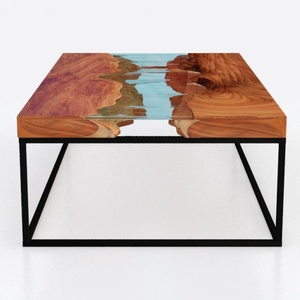
Custom 3D Waves Ocean Dining Table, Blue Ocean
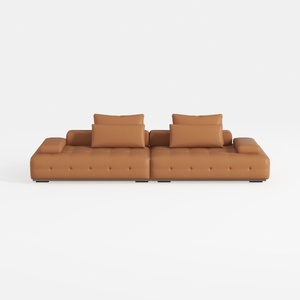

Modern Tufted Leather Oversized Sectional Sofa 3D Model
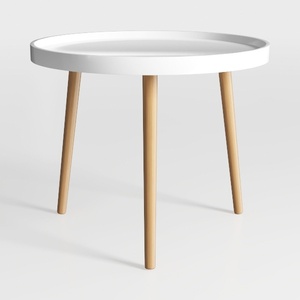
danpinera Round Side Table, Metal Legged Accent
Homestyler is your go-to home design platform, perfect for anyone looking to create their dream space! With its user-friendly online design tool, stunning 3D renderings, a wealth of design projects, and helpful DIY video tutorials, transforming your home has never been easier or more enjoyable.
立即免费设计
































