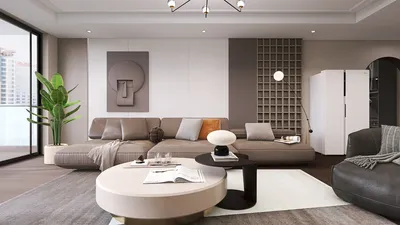


In a memorable moment during a renovation, I once mounted a wall sconce upside down in a client's tiny studio, only to discover it was being used as a makeshift shelf by the tenant. While it was an embarrassing oversight, it taught me the importance of ingenuity in small spaces. In these compact areas, lighting can serve multiple purposes: a lamp can become a shelf or even a statement piece. In this article, I'll explore five creative DIY wall lighting ideas that I’ve implemented in actual renovations using tools like Homestyler to enhance functionality and character in small rooms.
1. Floating Shelf Sconce
This ingenious design combines a sleek floating shelf with a small LED strip or sconce above it. I utilized this concept in a studio bedroom where every inch of floor space was precious. The shelf conveniently holds a book and a phone, while the light provides both reading illumination and ambient warmth. The main benefits include saving precious floor space, concealing wiring behind the shelf for a clean look, and an overall polished appearance. However, it does require a sturdy stud or wall anchors, and careful cable management; it’s a DIY-friendly option if you’re comfortable with basic drilling.
save pin
2. Repurposed Basket Lantern
Transforming a woven basket into a charming wall lantern is a creative way to add warmth to your space. By installing a small pendant kit and an LED bulb inside, you can create a stunning light feature. I executed this for a client enamored with bohemian styles — the intricate shadow patterns created by this fixture are breathtaking. Why should you consider this? It’s affordable, sculptural, and emits a soft ambient glow. Just ensure that non-LED bulbs don’t generate too much heat and that the mounting secures the basket flush against the wall.
save pin
3. Adjustable Swing-Arm Peg Light
An adjustable swing-arm fixture made from a peg rail and an angled lamp provides targeted task lighting without the bulk of traditional fixtures. This is perfect for kitchen nooks or by the sofa where precise lighting is needed. The advantages are flexible positioning and an industrial-chic aesthetic. On the flip side, it requires accurate mounting and tidy cord management. For compact kitchens, I often utilize a tool like Homestyler to ensure the layout harmonizes with surrounding cabinets.
save pin
4. Picture Frame LED Accent
Integrate a delicate LED strip into the back of a shallow picture frame to create a halo effect behind artwork or mirrors. I adopted this technique to elevate a modest print to gallery-standard in a rental. This method has notable benefits: it’s subtle, produces low heat, and emphasizes focal points beautifully. The primary challenge lies in the careful placement of LEDs to ensure an even glow; using diffuser tape or frosted backing can help enhance the effect.
save pin
5. Industrial Pipe Wall Lamp
Utilizing black iron pipe fittings can create a robust and striking wall lamp that is surprisingly simple to assemble. I fashioned one for a loft bedroom, which stood the test of time even with a clumsy roommate. What I appreciate about this design is its tactile quality, customizable dimensions, and the ability to paint it to fit your style. The downsides include its weight and the need for drilling; consider using conduit wiring or discreet raceways for the wiring.
save pin
Tips 1:
For budget-conscious projects, opting for LED bulbs and low-voltage driver kits is wise — they have a longer lifespan and produce less heat. A quick tip: use command-style cable clips for temporary installations in rental spaces. If you’re looking to visualize how a light interacts with your furniture, consider using Homestyler to create mock-ups of various heights and shadows.
save pin
FAQ
Q1: What tools do I need for basic DIY wall lights?
A1: Essential tools include a drill, stud finder, screwdriver, wire stripper, and a level for most projects. Make sure to turn off the circuit and check with a voltage tester before handling any wires.
Q2: Are LED strips safe for DIY fixtures?
A2: Yes, low-voltage LED strips are safe as long as you use the correct driver and keep them away from flammable materials. They operate at a lower temperature and are energy-efficient.
Q3: Can I install wall lights in a rental?
A3: Many solutions are suitable for rentals—using adhesive-backed LEDs, command cable clips, or battery-operated wall lamps can help you avoid permanent changes.
Q4: How can I conceal wiring for a wall sconce?
A4: Wires can be hidden behind a shallow shelf, or you can employ a painted surface-mounted raceway to blend with the wall. For permanent hardwiring, hiring a licensed electrician is advisable to ensure code compliance.
Q5: What bulb color temperature is optimal for small spaces?
A5: Warm white (2700K–3000K) creates a welcoming atmosphere, while 3000K–3500K provides clearer task lighting. I often blend warm ambient lighting with cooler task spots for visual interest.
Q6: Can I use a dimmer with DIY wall lights?
A6: Absolutely—ensure both the bulbs and driver are compatible with dimmers, and install an appropriate dimmer switch. This can enhance the mood and save energy.
Q7: Where can I find inspiration and layout templates?
A7: Reviewing case studies and layout examples can be incredibly beneficial; for realistic previews, I suggest exploring a room planner case page that illustrates how lights integrate into various setups.
Q8: Are there safety standards to follow?
A8: Always adhere to local electrical codes, and for authoritative guidance, consult the National Electrical Code (NEC) concerning wiring practices (NFPA 70). When in doubt, seek advice from a licensed electrician.
save pin
Homestyler is a fantastic online platform for home design enthusiasts. Its user-friendly design tool and stunning 3D rendering features allow you to visualize your ideas effortlessly. Plus, with a wealth of design projects and DIY video tutorials, you can transform any space into your dream home with confidence!
Progetta ora GRATIS
































