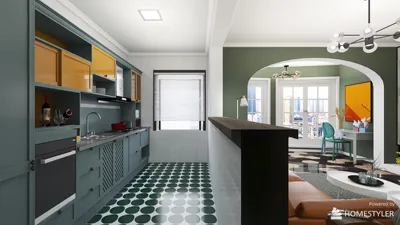


I once created a plank wall intended to exude a rustic charm, but an accidental blend of two stains turned it into a zebra-striped artwork. While the client found it amusing, I took this as a lesson to always test materials beforehand. It reminded me that working in small spaces can nurture creativity and forgiveness, as well as highlight how a bold plank wall can transform an entire room.
If you're considering a DIY plank wall, I'm here to share five practical ideas from my own projects, complete with tips, potential challenges, and budget considerations. During the planning phase, I typically utilize a 3D mockup using Homestyler, allowing clients to visualize the scale long before the first cut is made.
1. Reclaimed pallet planks for instant character
Reclaimed pallets are my go-to choice when a client seeks warmth on a tight budget. The unique patina and visible nail holes add character without breaking the bank. However, they do require sorting, cleaning, and extra time for trimming and flattening — achieving that rustic look can take effort but is ultimately rewarding.
2. Painted horizontal stripes (fast, colorful, forgiving)
Using painted planks gives you the texture of wood combined with vibrant color options. In one project, I alternated white with muted teal in a narrow hallway, which effectively made the space feel larger. Be mindful of preparation though; seams can become noticeable if uneven paint is applied, so light sanding between coats is essential for a professional finish.
save pin
3. Vertical shiplap to create an illusion of height
Vertical planks draw the eye upwards, making them ideal for narrow walls or behind beds. For kitchen installations, I suggest a wipeable finish and a thoughtful layout to manage splashes; when workflow is essential, I harmonize the wall design with cabinetry and appliances to maintain smooth kitchen operations. Installation is relatively simple, but ensuring proper leveling at both ends of the vertical runs is crucial.
save pin
4. Geometric staggered planks for a custom statement
I love mixing plank lengths and orientations to create unique chevron or herringbone patterns, or even a pixelated style. Although this method requires more time and might waste materials, the outcome is nothing short of artistic. To manage costs, I always pre-warn clients and create a small sample panel first — a 2x2 foot mockup helps eliminate potential regrets.
save pin
5. Peel-and-stick faux planks for renters and quick updates
For speedy upgrades or in rental situations, high-quality peel-and-stick planks offer an efficient solution. They may not be as durable as traditional nailed wood and could peel in high-humidity environments, but they are unbeatable for living rooms and bedrooms in terms of convenience. If you wish to lay out the overall design before purchasing, begin with a quick floor sketch to estimate your materials and cuts.
save pin
FAQ
Q1: What essential tools do I need for a DIY plank wall?
You'll need a circular saw or table saw, a nail gun or finish nails along with a hammer, a level, a tape measure, and a stud finder. If you're considering finishing the surface, don't forget to include a sander and paint supplies.
Q2: Is it possible to install a plank wall over drywall?
Absolutely — you can attach the planks directly to the studs or add a plywood substrate to enhance stability and conceal flaws. Always locate the studs when nailing to make sure the planks remain secure.
Q3: Which types of wood are best for plank walls?
Pine and poplar are cost-effective options that work wonderfully with both paint and stains. For more durability and aesthetic appeal, oak and maple can be great alternatives. For expert advice on wood selection and maintenance, consider consulting the National Wood Flooring Association (https://www.nwfa.org).
Q4: How can I prevent mold or warping?
Prior to installation, allow the wood to acclimate to the room for 48-72 hours and apply an appropriate finish or sealant in damp areas. Maintaining proper ventilation and ensuring that planks remain off wet surfaces are simple yet effective measures.
Q5: What is the estimated installation time for a plank wall?
An accent wall may take a weekend for an experienced DIYer, while custom patterns or reclaimed materials might require several days. Don't forget to consider drying times for paint or stain as well.
Q6: Is it feasible to remove the planks later without damaging the wall?
Peel-and-stick options are the easiest to remove. Planks that are nailed or glued will likely need some repairs and skim-coating afterward, so plan accordingly if you're in a rental situation.
Q7: What is a realistic budget for a DIY plank wall?
Material pricing can vary significantly: peel-and-stick panels might be priced between $1 and $3 per square foot, basic lumber anywhere from $2 to $6 per square foot, and premium reclaimed or hardwoods often exceed $10 per square foot. Don’t forget to factor in tools and finishes if you don’t already have them.
Q8: Where can I seek design assistance or floor plans to visualize the project?
Online tools and 3D mockups, like those offered by Homestyler, can be incredibly helpful, especially in tight spaces or kitchens where clearance is crucial; initiating the process with a clear plan can minimize material waste and prevent unexpected challenges.
save pin
Homestyler is an outstanding online home design platform that empowers you to create stunning spaces effortlessly. With its user-friendly design tool, impressive 3D renderings, diverse design projects, and helpful video tutorials, you can unleash your creativity and transform your home like a pro!
تصميم الآن مجانا
































