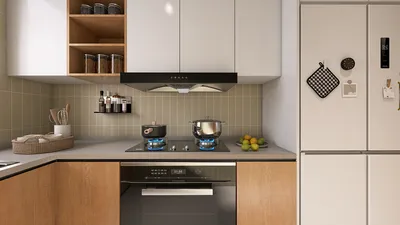


In my experience, attempting to conceal a small rooftop solar array behind a faux pergola almost led to the termination of my warranty—an important lesson learned here: aesthetics don’t always work harmoniously with technical setups. If you're interested in creative solutions, I can show you how compact solar installations can be both aesthetically pleasing and practical; check out this design case I referenced that melds technology with a snug roofline using Homestyler.
Limited space encourages innovative thinking, which is precisely why DIY solar panel projects for homes are incredibly satisfying. Here, I present five practical ideas from real installations: each is easily adaptable, complete with candid considerations regarding trade-offs and budgeting from my personal experiences.
1. Balcony or Rail-Mounted Panels for Urban Living
When roof access is out of the question, placing solar panels on balcony railings or light frames can be a game changer. This option is budget-friendly and reversible, making it ideal for renters, though it may yield slightly reduced efficiency due to angle limitations and shading—still, it's much better than the ever-climbing electricity costs.
save pin
2. Incorporate Panels as Design Features
I enjoy converting solar panels into striking design elements: utilizing slim-frame panels as sunshades over windows or as roofs for pergolas. The advantage lies in dual functionality (providing shade and generating power) while enhancing visual appeal; however, considerations for structural support and obtaining permits can extend the timeline and slightly increase expenses.
save pin
3. Flexible Portable Solar Arrays
For individuals who relocate often or need seasonal energy, portable solar arrays featuring quick-connect inverters are a brilliant solution. They are perfect for weekend power backups and for RV use, plus you can easily store them when not in use; nonetheless, they generally have lower watt density and require secure storage.
To effectively visualize placement and necessary clearances before investing in materials, I frequently create a visual floor plan using Homestyler, which saves time and prevents avoidable errors such as future shading caused by growing plants.
save pin
4. Batteries for Peak Shaving Strategy
Coupling a modest solar kit with a small battery allows you to shift solar power usage to the evening, effectively reducing peak costs. While batteries raise the initial investment, they significantly enhance the perceived value; consider starting with a single, viable battery unit and expand as needed.
save pin
5. Discreet Wiring and Multi-Functional Spaces
Where feasible, conceal conduits within cabinetry or beneath deck surfaces—clean lines will make your solar installation appear intentional rather than an afterthought. Although it demands more initial effort, it pays off in resale value; if uncertain, I follow an uncomplicated mockup approach similar to the kitchen layout example I employ to plan out wiring routes and access points.
save pin
FAQ
Q: Is a DIY home solar kit safe for novices?
Absolutely—many DIY kits are tailored for homeowners with plug-and-play inverters and clear instructions. However, any attachment to a home’s electrical system should be validated or conducted by a licensed electrician to ensure compliance with regulations.
Q: How much roof or balcony area do I need?
That varies based on your energy goals: a 1 kW installation typically requires approximately 6–8 m² of optimal sun exposure. For accurate sizing, monitor your monthly kWh consumption and align generation with a reasonable portion of that.
Q: What’s a realistic cost for a starter DIY kit?
Expect to invest anywhere from a few hundred to a few thousand dollars depending on power capacity, inverter specifications, and battery options. Start small and gradually expand as you understand what genuinely cuts down your bills.
Q: Are permits required for DIY kits?
In most cases, yes—many localities necessitate electrical permits and inspections for grid-tied installations. Always verify local regulations before acquiring components to avoid potential removal or fines.
Q: Can I add batteries at a later stage?
Certainly. Modular systems allow you to integrate additional battery storage down the line; just ensure the wiring and inverter compatibility are planned from the beginning to simplify future enhancements.
Q: Will a compact solar array withstand extreme weather?
Top-quality panels and mounts should be rated to handle hail, wind, and snow loads; choose components with suitable certifications for your climate and adhere to installation guidelines from the manufacturer.
Q: How can I optimize panel angles for consistent performance throughout the year?
Tilt the panels according to your latitude for optimal annual output, or select a fixed position if seasonal adjustments aren’t feasible. Roof constraints often necessitate compromises—just be sure to prevent permanent shading and keep panels free of debris.
Q: Where can I access reliable guidelines for installation?
Trustworthy sources such as the U.S. Department of Energy (energy.gov) offer clear direction on system sizing, safety, and performance standards. I recommend utilizing their checklists alongside the manuals provided by manufacturers.
Discover your dream space with Homestyler! This user-friendly online design platform offers an intuitive design tool, stunning 3D renderings, and inspiring DIY video tutorials. Whether you're a novice or a seasoned designer, Homestyler makes it easy to create beautiful interiors that reflect your style.
Desain sekarang Gratis
































