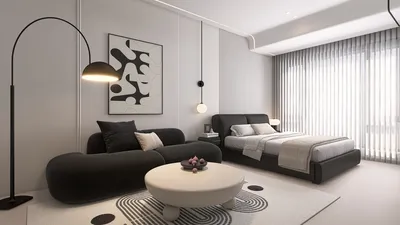


I once had the interesting task of transforming a narrow corridor in a Brooklyn walk-up into a DIY escape room for a client who strictly adhered to a 'no-drill' policy—yes, even for hidden compartments. Initially, this presented a tiny design disaster, but it ultimately demonstrated how small spaces can fuel significant creativity and innovative mechanical puzzles. While brainstorming solutions, I created detailed layouts using Homestyler to visualize how each element would harmonize, resulting in an unexpectedly immersive experience.
1. Use Vertical Layers to Multiply Space
When floor space is limited, I literally think about going vertical. Utilizing shelves that serve as puzzle panels, mounting clues from the ceiling, and creating stacked prop areas allows players to explore new dimensions without cluttering the floor. The benefit is a remarkable impact while occupying minimal ground space; however, the added complexity of installation and potential ladder use during setup could be a downside.
2. Hidden Storage and Secret Compartments
Secret drawers and false-back compartments are the essence of an escape room. I enjoy crafting furniture with concealed mechanisms in bench seats or bookshelves; it feels like imbuing furniture with character. These prototypes are relatively inexpensive, but be prepared to devote extra time to ensuring reliable mechanisms for repeated use.
3. Lighting and Sound for Mood, Not Square Feet
Light and sound can influence perception more effectively than physical size. A narrow space can evoke a cinematic atmosphere with layered lighting and directional speakers that cue players into challenges. I often simulate scenes with simple LEDs before finalizing designs; to visualize the impact of lighting on flow, consider using 3D visualizations with Homestyler for manipulating sight-lines and shadows without making permanent alterations.
4. Modular, Moveable Sets for Replayability
Designing modular components and movable props presents the opportunity for various games within a single footprint. I developed a compact kit that allows theme swaps in less than an hour—a perfect approach for renters or pop-up scenarios. The trade-off here is a loss of permanence for increased flexibility and long-term advantages.
5. Low-Tech Tricks with High Engagement
Not every challenge requires advanced technology. Simple mechanical locks, mirror codes, and tactile clues are cost-effective and provide enjoyment for players. For a client interested in iterative design inputs, I integrated physical puzzles with AI-powered home design tools like Homestyler to refine gameplay pacing and difficulty, striking a balance between cleverness and fairness.
Tips 1:
Begin with a clear safety checklist that addresses fire exits, trip hazards, and power routing. Ensure puzzle intricacy is progressive and playtest with individuals who are unfamiliar with the design.
FAQ
Q1: How much does a DIY escape room cost?
Costs can vary significantly: a basic low-tech setup typically starts at around $200 to $500, while more sophisticated modular designs could reach the low thousands. Make sure to budget for props, lighting, and reliable locking mechanisms.
Q2: How large does a space need to be?
You can create a functional experience in as little as 40 to 80 square feet by effectively utilizing vertical space and compact puzzles. The key is choreography; design paths carefully to avoid players being too close together during critical moments.
Q3: What are the main safety concerns?
Always prioritize clear emergency exits, avoid enclosed areas that might trap individuals, and ensure all electric wiring is secure. Confirm that any exit point is easily accessible and unhidden in the event of a real emergency.
Q4: Are permits or regulations needed?
Most small, private DIY rooms typically don’t require permits, but hosting commercial or public events may necessitate compliance with local fire or building codes. Verify local regulations if you intend to charge for your escape experience.
Q5: How do I ensure puzzles are fair and solvable?
Conduct playtests with participants who are not familiar with the design, observing where they encounter obstacles. Strive for a mix of clue types—visual, tactile, and logical—and introduce a hint system to prevent players from feeling stuck.
Q6: Can I add electronics safely?
Yes, but ensure electronics are on safeguarded circuits, use UL-listed components, and avoid exposed wiring. If you lack confidence with electrical tasks, it's advisable to hire a licensed electrician for permanent installations.
Q7: Where can I learn about fire safety standards?
Refer to the NFPA 101 Life Safety Code from the National Fire Protection Association for authoritative instructions regarding exits, occupancy, and egress criteria. It serves as a reliable resource to ensure your escape room remains safe.
Q8: Any quick tips for maximizing immersion?
Consistency is essential: adhere to a specific theme and ensure every prop contributes to the narrative. Soundscapes, textured surfaces, and subtle sensory elements significantly enhance the illusion without necessitating a large budget.
Homestyler is your go-to online home design platform! With its easy-to-use design tool, stunning 3D renderings, and a wealth of design projects and video tutorials, transforming your space has never been easier. Unleash your creativity and start designing your dream home today!
Progetta ora GRATIS
































